Premont native prepares to bring veterinary care back home
Gabriel Platas plans to return to Premont, where a single local vet could mean faster help for ranchers, pet owners and youth livestock families in Jim Wells County.
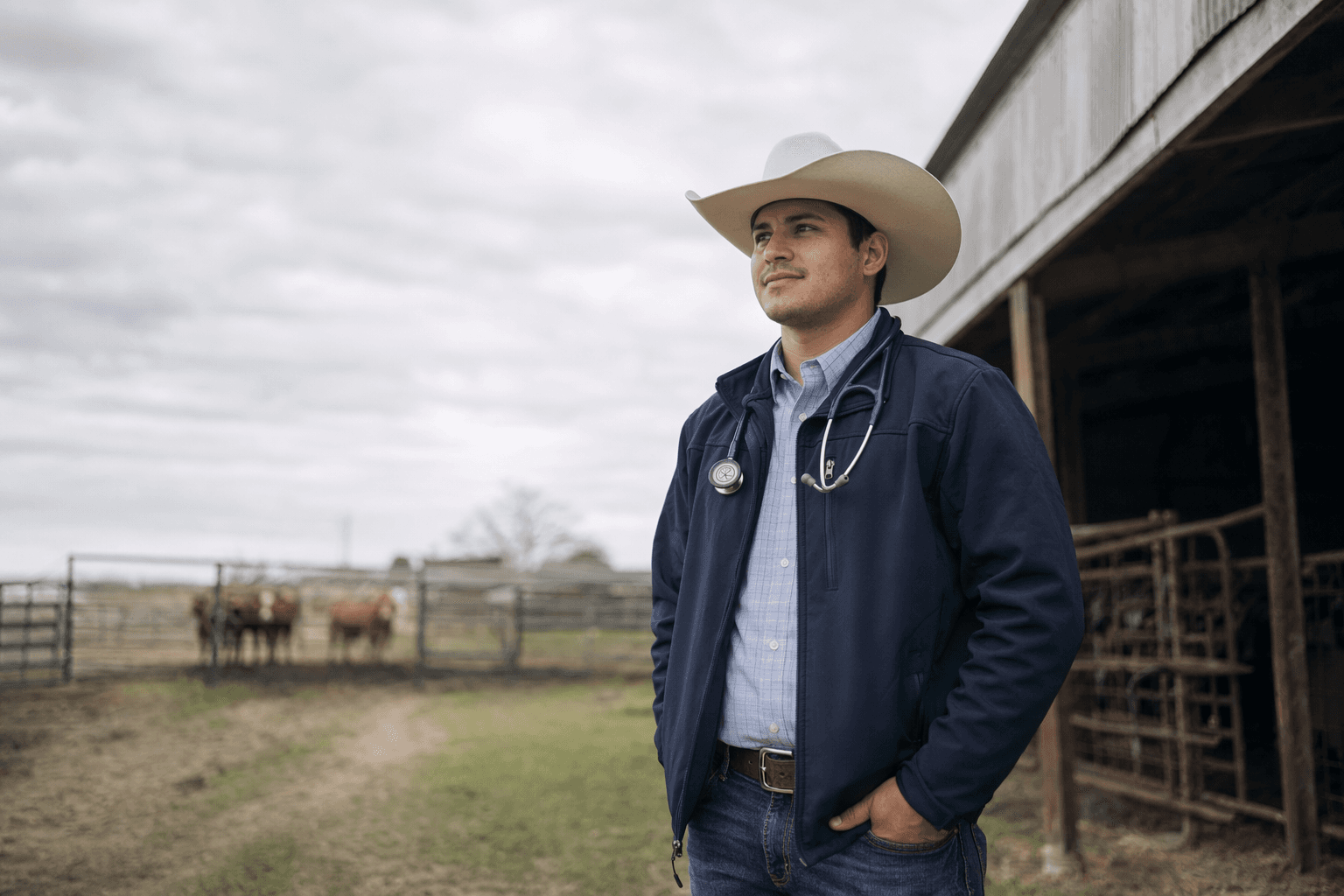
A hometown return by Gabriel Platas could ease a real rural care gap in Premont, where ranchers, pet owners and youth livestock families often face long drives or delays when an animal needs help. When Platas finishes veterinary school, he plans to come back to the Jim Wells County town that helped shape his interest in the profession and build a practice that can serve both large and small animals.
Texas A&M College of Veterinary Medicine & Biomedical Sciences highlighted Platas, a fourth-year Doctor of Veterinary Medicine student, as he prepared to leave Aggieland and head back south. Premont sits about 30 miles south of Kingsville and has a single stoplight, a detail that captures how small the community is and how visible a returning veterinarian could be. Platas said he felt connected to the town while growing up there, and that connection runs through his family as well. His mother is a veterinary technician, and he started working at Premont’s veterinary clinic at 15, first as a kennel attendant and later in administrative work. Before veterinary school, he studied agriculture at Texas A&M University-Kingsville, wanting to stay close to family while building the experience that would push him toward veterinary medicine.
His return matters because the shortage is broader than one town. Texas A&M says rural and agricultural communities need veterinarians who are trained in both large and small animal medicine, and the need is urgent. The USDA recognized 237 veterinarian shortage areas across 47 states in 2023, underscoring how hard it can be for small towns to recruit and keep doctors who understand local livestock operations as well as household pets. The USDA National Institute of Food and Agriculture keeps a Veterinary Services Shortage Situations map to track those gaps.
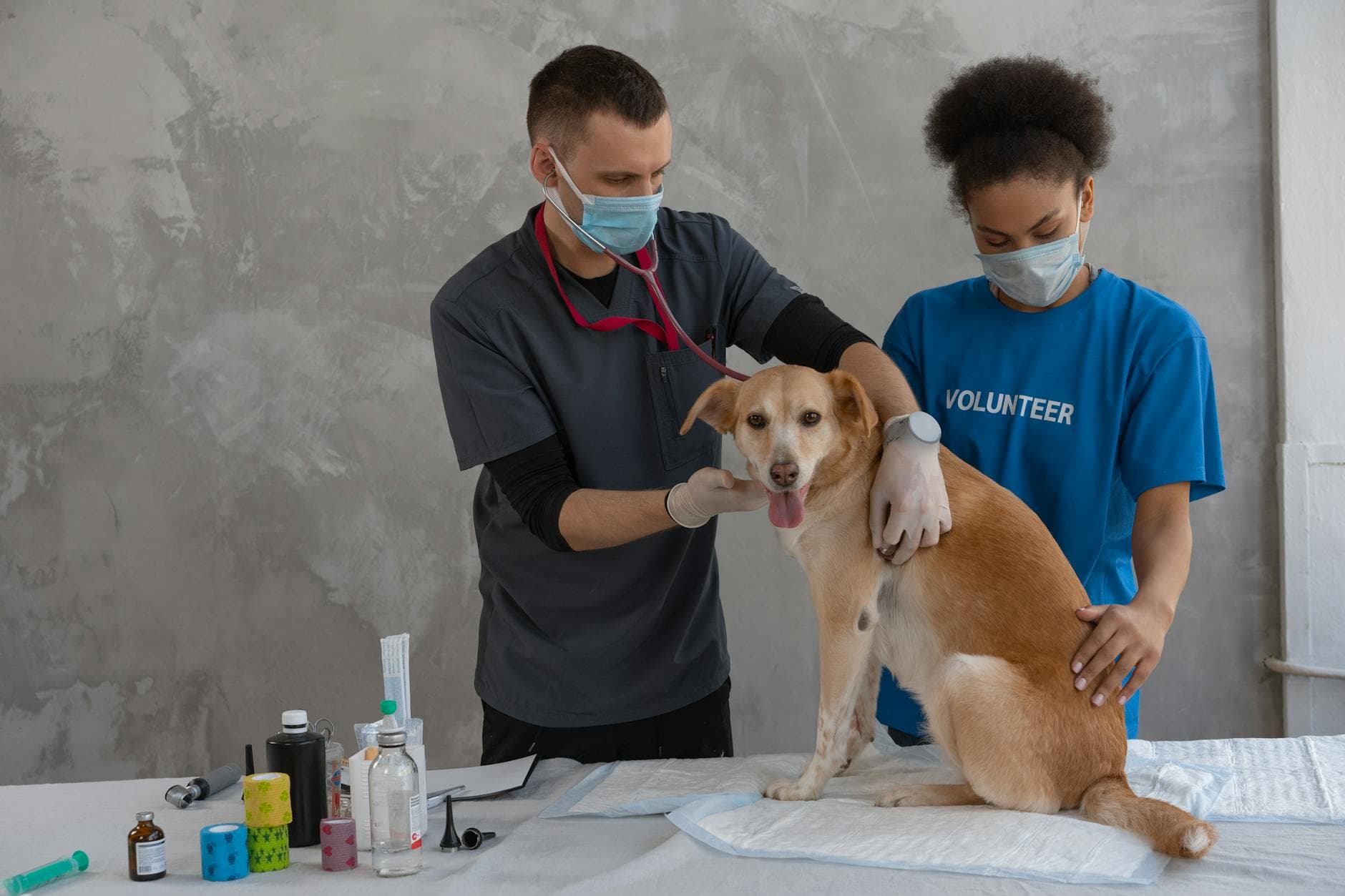
Texas A&M has been trying to widen the pipeline through Veterinary Education, Research, & Outreach, known as VERO, which was created to build ties with rural communities and encourage future veterinarians to return to them. The college also launched its Rural Veterinary Practice Preclinical Externship in summer 2024. In that pilot, 19 veterinary students spent two weeks in 10 rural communities, living in the towns where they trained, and each participant received a $1,500 stipend for travel and expenses.
In Premont, the need reaches beyond the clinic. Premont ISD, founded in 1921, served about 747 students as of December 2024 across Premont and rural parts of southern Jim Wells and southeastern Duval counties. For a community that small, one veterinarian who knows the families, the farms and the schoolyards can make a measurable difference, and Platas’s return points to a future where that care is closer to home.
This article was produced by Prism’s automated news system from verified source data, official records, and press releases, then run through automated quality and moderation checks before publishing. The system is built and supervised by the people who set the standards it runs under. Read our full AI policy.
Did this article answer your question?