DOH Issues NOVO to Hawaiian Dredging for Hanapēpē Discharges, NPDES Breach
DOH issued a Notice of Violation and Order to Hawaiian Dredging after soil and vegetation were discharged into two Hanapēpē gulches and earthwork proceeded without a required NPDES stormwater permit.
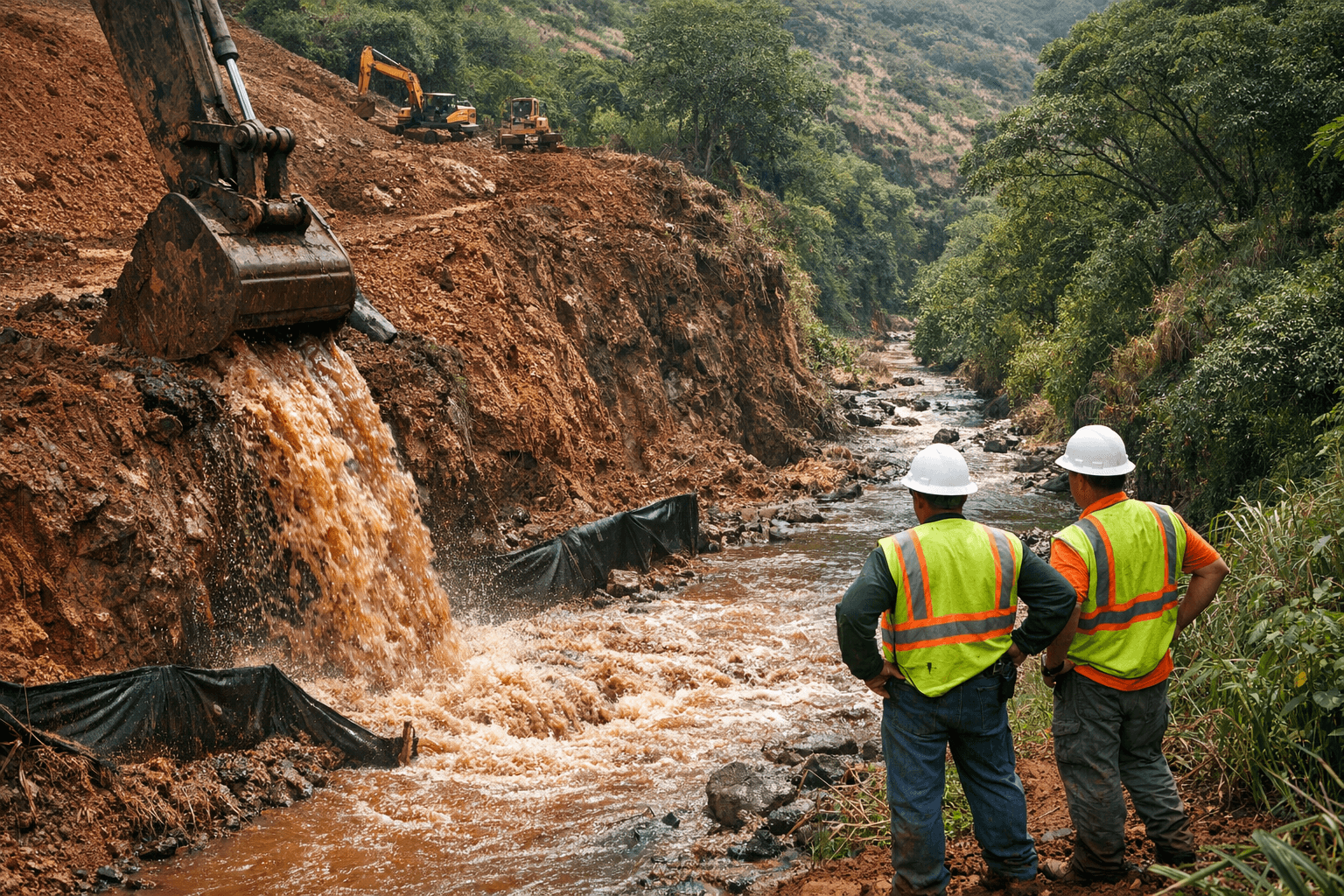
The Hawaii Department of Health Clean Water Branch issued a Notice of Violation and Order (NOVO) to Hawaiian Dredging Construction Company, Inc., after investigators found discharges of soil and vegetation into two gulches in Hanapēpē and evidence that earth-disturbing activities were carried out without the required NPDES stormwater permit. The action, dated January 30, 2026, targets sediment and material leaving a construction area and entering gulch channels that drain toward lower Hanapēpē.
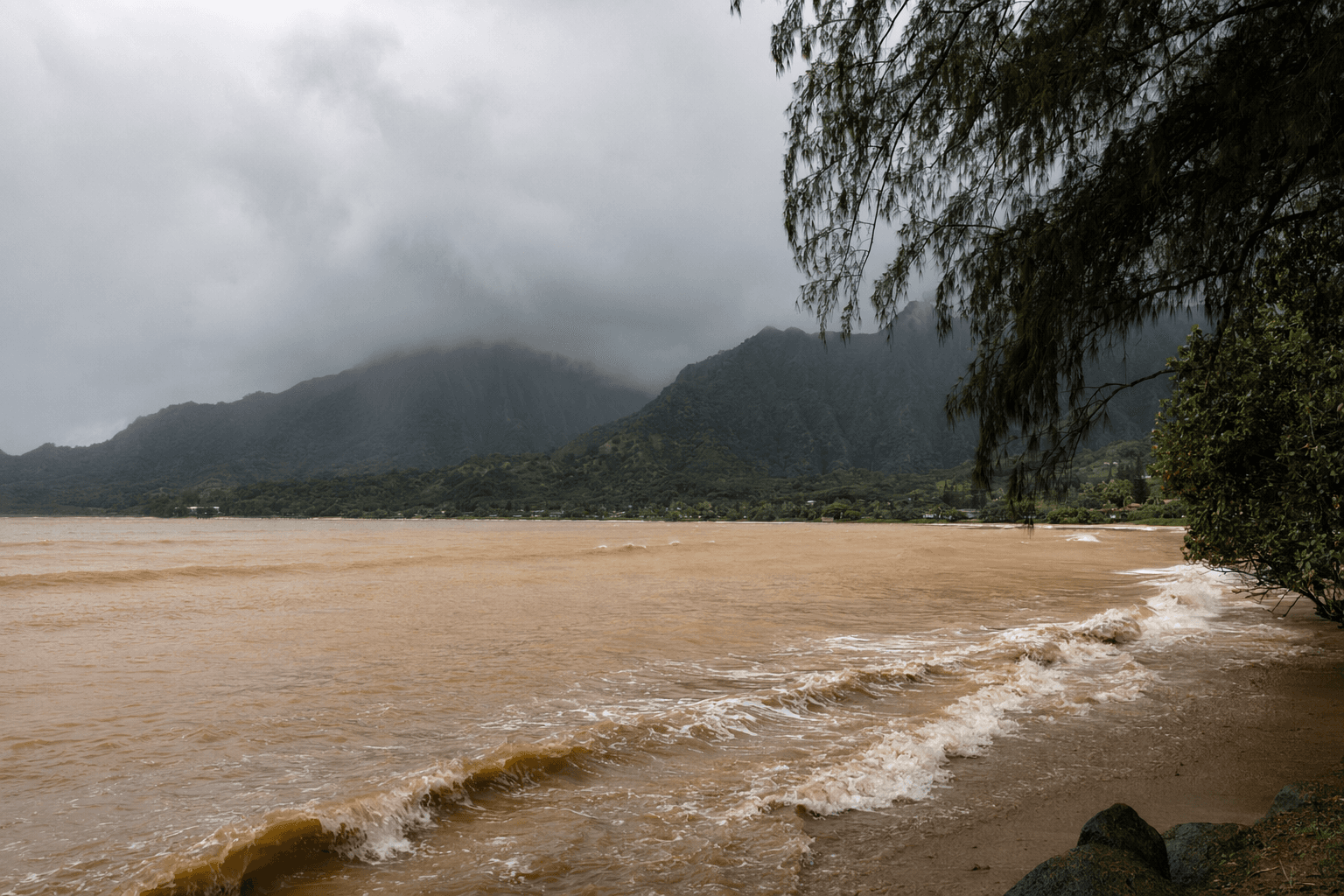
State enforcement of stormwater controls is intended to protect stream health and coastal waters from sedimentation. Sediment-laden runoff can increase turbidity, smother downstream habitats, and carry organic debris that alters water quality. For Kauai residents, impacts can ripple from freshwater use to nearshore reefs, recreational access, and culturally important resources such as taro patches and traditional fishing areas if sediment reaches coastal waters.
The NOVO names Hawaiian Dredging Construction Company, Inc. and focuses on two distinct failures: the actual discharge of soil and vegetation into gulches and the absence of a National Pollutant Discharge Elimination System - NPDES - permit for stormwater associated with active earthwork. NPDES permits require construction sites to implement best management practices to limit erosion and control runoff during and after grading. When such permits are not in place, regulators lose key oversight tools to prevent off-site impacts.
Hanapēpē residents and downstream users should expect the Department of Health to require corrective measures, inspections, and documentation of controls to stop further discharges and stabilize disturbed areas. Local creek channels in Hanapēpē convey runoff quickly during heavy rains, so any loose soil on slopes or cleared lots can travel to streams and ultimately the nearshore environment. That pattern matters here, where small gulches feed narrow coastal waters that local fishers, paddlers, and loʻi taro stewards rely on.
The NOVO underscores broader tensions on Kauai between development, infrastructure work, and the island’s responsibilities to protect wahi pana and marine ecosystems. It also reflects how federal and state regulatory frameworks - including the NPDES stormwater program - operate at the local level to reduce pollutant loads from construction activities. For residents watching permits and excavation near sensitive channels, the case will be a test of enforcement consistency and of how quickly visible erosion problems are corrected.
What comes next is remediation and monitoring. Hawaiian Dredging will need to respond to the NOVO as required by the Department of Health, and the Clean Water Branch will determine whether further enforcement or penalties are appropriate. For now, Hanapēpē residents should monitor state and county notices for updates, avoid contact with discolored runoff after storms, and report any ongoing discharges to the Department of Health or Kauai County officials so inspectors can verify that sediment controls and required permits are in place.
Know something we missed? Have a correction or additional information?
Submit a Tip