Hawaii Awards $7 Million to Protect Maui, Molokai Coastal and Forest Lands
Hawaii awarded $7M to protect five coastal and forest sites on Maui and Molokai — a competitive state fund that Kauai land trusts and conservation groups watch each cycle.
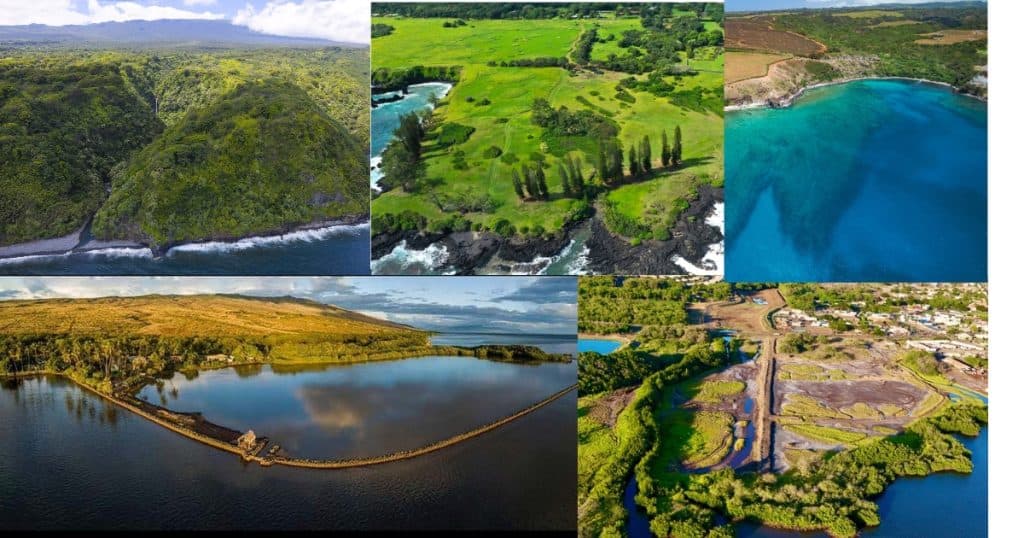
The Hawaii Board of Land and Natural Resources approved roughly $7 million in Legacy Land Conservation Program grants on Monday, directing state conservation dollars to five projects across Maui and Molokaʻi that protect coastal parcels, native forest, cultural sites, and watershed lands.
The grants, recommended by the Legacy Land Conservation Commission and the DLNR Division of Forestry and Wildlife, fund work at five distinct sites: Honolua Bay near Lahaina, the Mālama Kaunakahakai stretch of Molokaʻiʻs south shore, the Kalokoʻeli shoreline on Molokaʻi, East Maui coastal forest near Hāna, and Haneoʻo ʻĀina rangelands also in the Hāna district. Together, the selected parcels protect endangered species habitat, traditional canoe landings, cultural gathering areas, and lands facing mounting visitor-use pressure.
The Legacy Land Conservation Program draws on conveyance-tax revenues appropriated by the Legislature and distributes funds through a competitive review. Grants flow to nonprofit land trusts, state agencies, and county partners to acquire land outright or place conservation easements on priority parcels. Applicants must demonstrate matching funds and a long-term management plan before any award is approved.
For Kauaʻi conservation groups, the fiscal year 2026 awards carry a clear message: the pool is competitive, and selection criteria reward projects that combine ecological, cultural, and public-access value in a single proposal. No Kauaʻi projects were among this round's recipients, but land trusts, county agencies, and nonprofits on the island remain eligible and routinely compete in LLCP cycles.
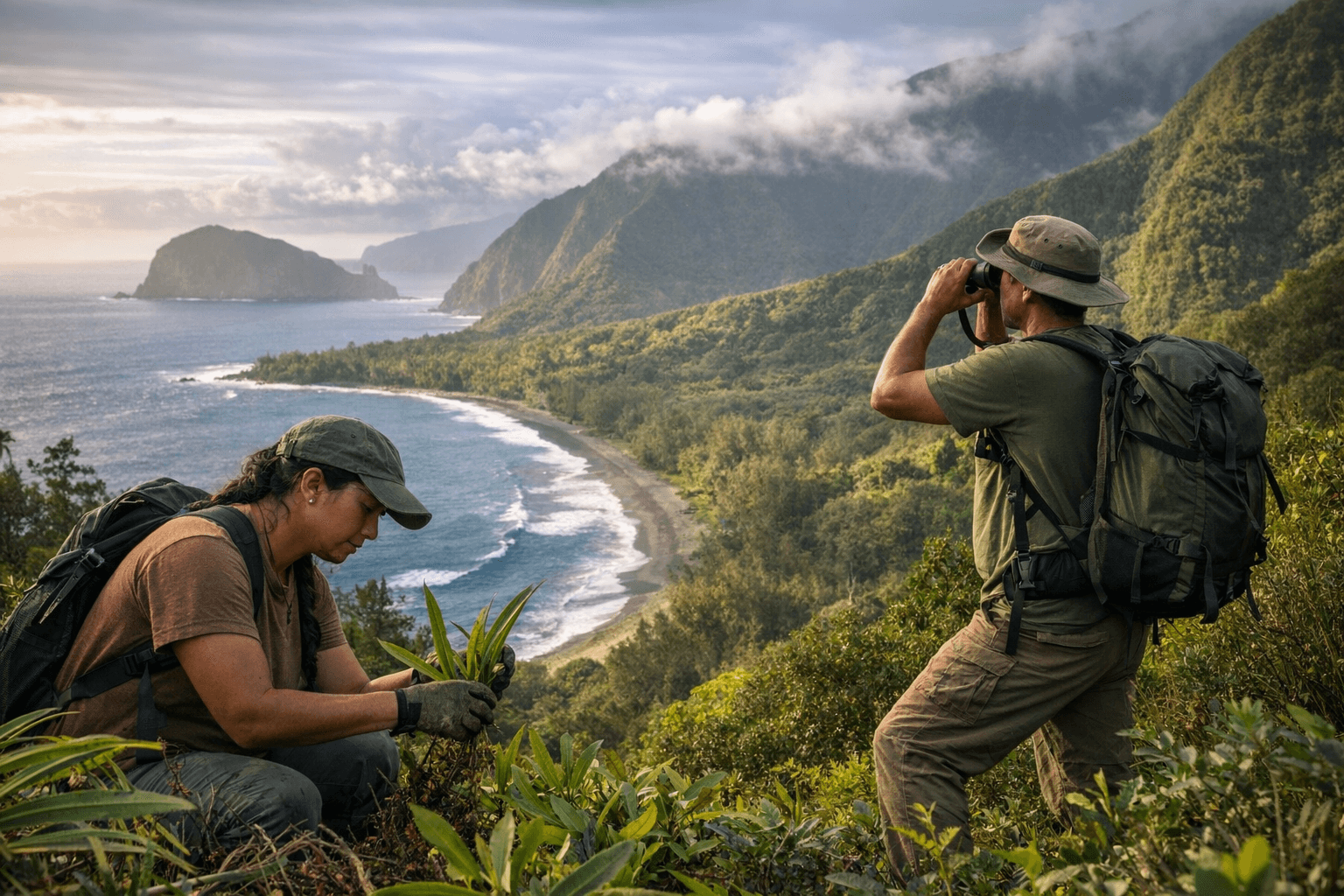
The DLNR's selection priorities are consistent statewide: protecting native ecosystems and watershed integrity, preserving access to traditional gathering and shoreline areas, and securing scenic coastal corridors against development pressure and climate-driven erosion. Those priorities apply as directly to Kauaʻi's ridgelines and nearshore fisheries as they do to the Molokaʻi coastline funded this round.
Kauaʻi organizations watching the awards may use the results to sharpen upcoming applications, build partnerships with county agencies, or pursue matching private funds that strengthen competitive positioning. The program relies on continuing legislative appropriations, and Kauaʻi nonprofits, county agencies, and land trusts that have applied in past cycles are already eligible to compete in future rounds.
Know something we missed? Have a correction or additional information?
Submit a Tip