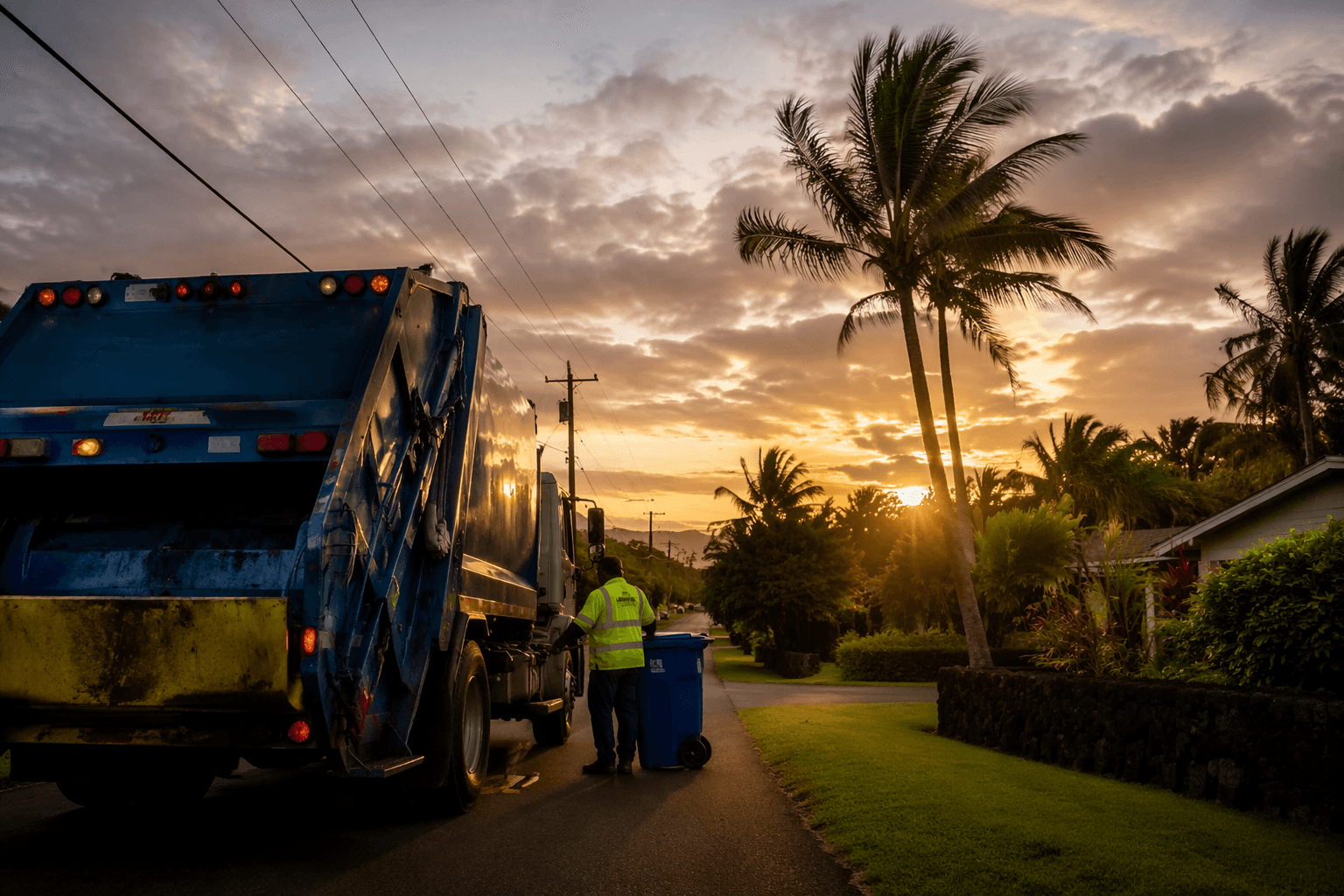
Hawaii Offers $1.5 Million in Grants for Kauai Wildfire Fuel Reduction Projects
Grants up to $300K are open now for Kauaʻi wildfire fuel reduction, with an April 20 deadline for nonprofits, HOAs, and government agencies to submit shovel-ready projects.
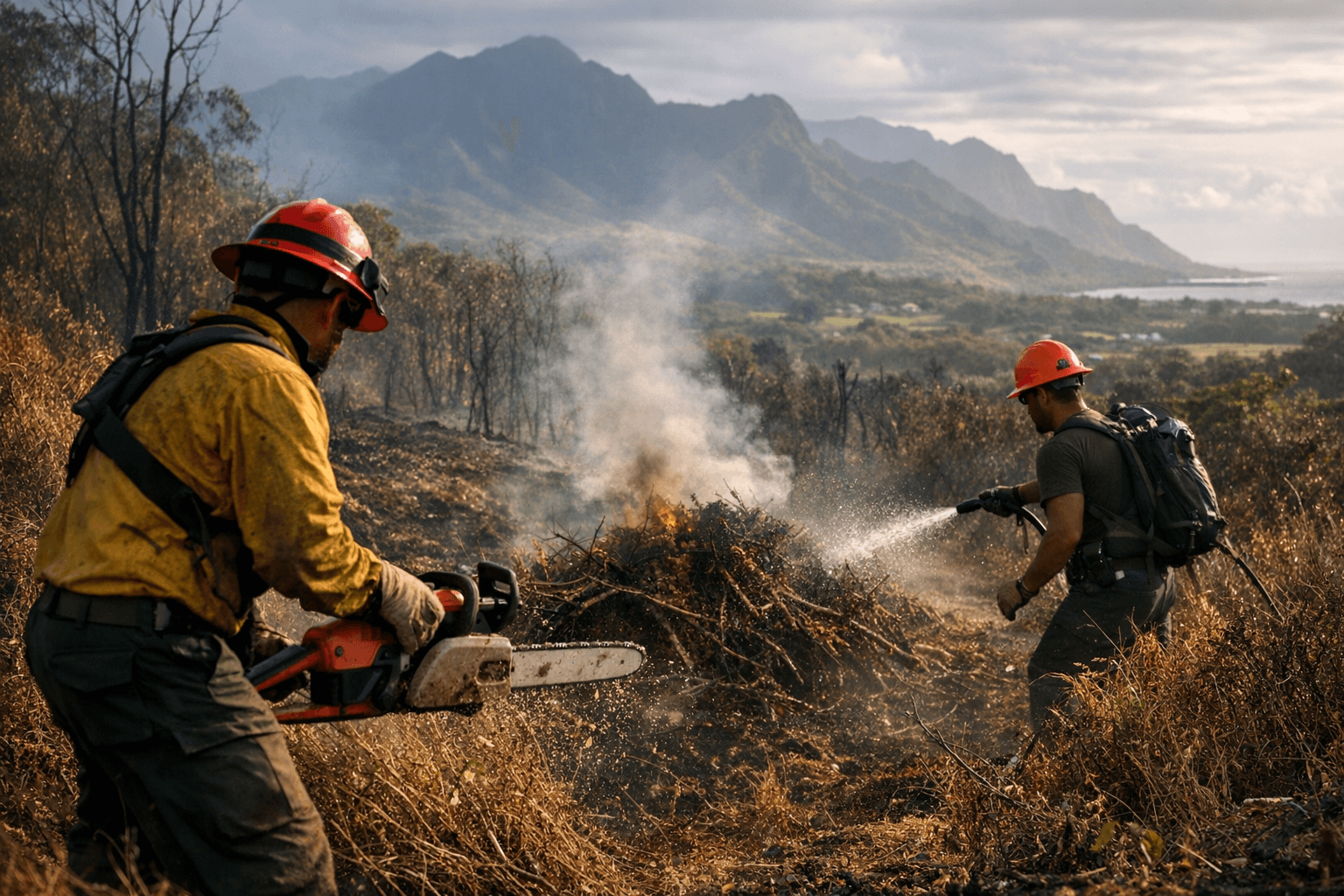
The second funding round of the Hawaiʻi Urban Interface Wildfire Grant Program opened this week, putting $1.5 million in reach for Kauaʻi organizations ready to move on fuel breaks, roadside vegetation clearance, and evacuation corridor hardening before summer fire season.
The Hawaii Wildfire Management Organization, administering the program in partnership with the DLNR Division of Forestry and Wildlife, is accepting applications through April 20. Awards of up to $300,000 per project will be announced in May, with work set to begin June 1. A virtual information session runs April 2 at 11 a.m. via Zoom for groups weighing whether to apply.
"Reducing hazardous fuels in areas where communities and wildlands meet is an important step we can take to reduce wildfire risk in Hawaiʻi," said DLNR Acting Chairperson Ryan Kanaka'ole. "This program helps local partners take action on the ground to improve community safety and strengthen landscape resilience across the state."
Eligible applicants include nonprofit organizations, homeowner associations, and local government agencies. Grants require a 25 percent match. Projects that score well are those that are shovel-ready, meaning work can begin immediately upon receiving funds, and that target the wildland-urban interface with activities such as hazardous vegetation removal, fuel breaks and green breaks, defensible space improvements around homes and neighborhoods, and access road and evacuation route upgrades.
"Many communities already know the steps needed to reduce wildfire risk," said Eric Moller, HWMO's Wildfire Mitigation Programs manager. "This program provides the funding and support needed to turn those plans into real mitigation work on the ground."
The stakes for Kauaʻi households and businesses are direct. Fuel loads along roadsides and at the edges of subdivisions drive both the speed of fire spread and the difficulty of evacuation. Insurance carriers across Hawaii have increasingly scrutinized wildfire exposure when setting premiums or deciding whether to renew policies, and demonstrated mitigation activity, including cleared defensible space and treated access corridors, can influence those risk assessments.
The pilot round demonstrated how far the funding can reach: across Kauaʻi, Oʻahu, Maui, and Hawaiʻi Island, nine funded projects treated more than 12,500 acres, protected more than 8,000 homes sheltering 24,000 residents, and improved more than 20 miles of access roads, firebreaks, and evacuation routes. The state's $1.5 million investment leveraged an additional $375,000 in matching contributions.
One funded pilot project specifically coordinated six communities to reduce fuels along roadsides and around homes, create defensible space, and improve firefighter access across 310 acres, protecting 195 homes.
Applications and program details are available at hwmo.org/huigrant2026. Organizations with questions can contact HWMO directly at [email protected].
This article was produced by Prism’s automated news system from verified source data, official records, and press releases, then run through automated quality and moderation checks before publishing. The system is built and supervised by the people who set the standards it runs under. Read our full AI policy.
Did this article answer your question?