Hawaii's Aging Population Strains Kauai Health Care System
Hawaii's population is aging faster than the national average, and Kauaʻi is among the counties with the least geriatric coverage to meet rising demand.
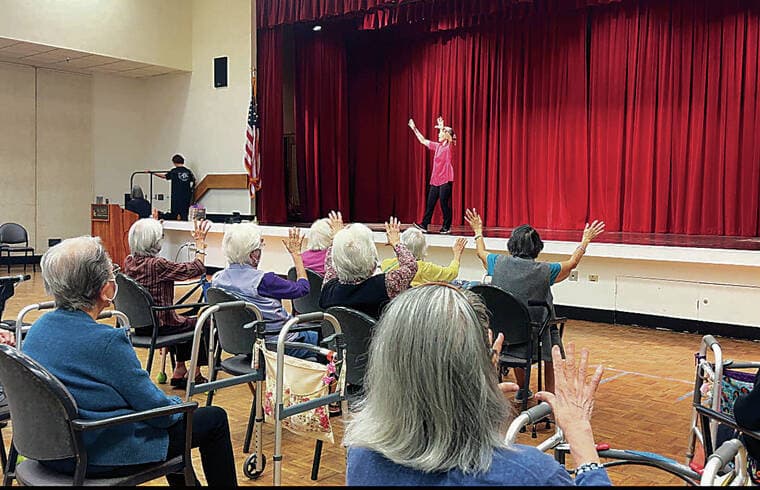
Kauaʻi sits among Hawaii's most underserved counties for geriatric care as the state's population ages at a pace outstripping the national average, straining a health system already stretched thin across the islands.
The concern was detailed in reporting published in the Honolulu Star-Advertiser and picked up by The Garden Island, which serves as a critical conduit for statewide health coverage reaching Kauaʻi readers. The core finding: Hawaii's demographic shift toward an older population is accelerating faster than the mainland's, and the health infrastructure built to serve that population, particularly geriatric specialists and elder-focused care networks, has not kept pace.
For Kauaʻi, the gap carries particular weight. The county's geographic isolation compounds what is already a statewide shortage of geriatric coverage. Residents who need specialized care for age-related conditions face a system where supply and demand have fallen sharply out of alignment.
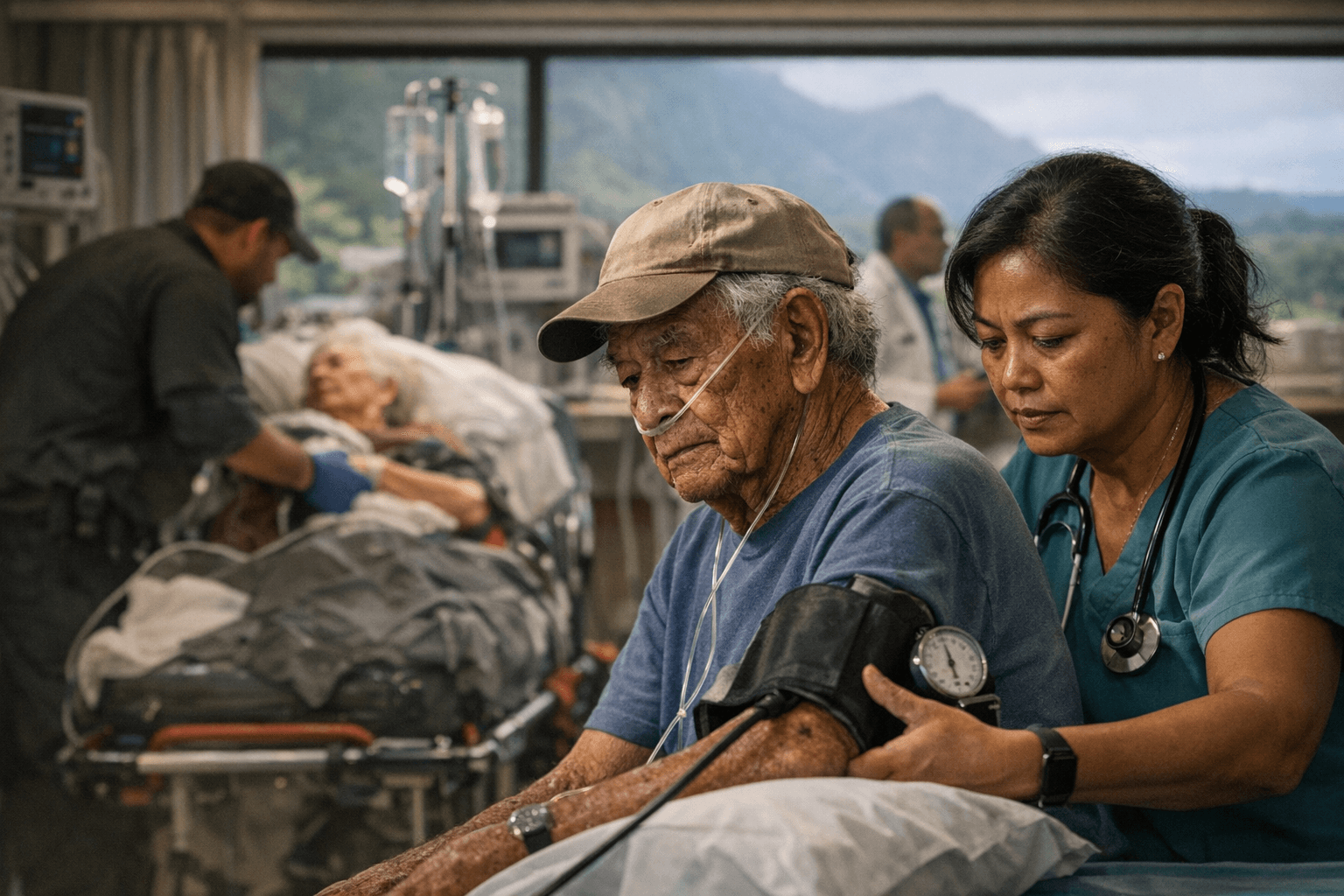
The strain reflects a broader national pattern playing out with greater intensity in island communities, where recruiting and retaining specialists remains structurally harder than in urban mainland markets. Kauaʻi's distance from Honolulu, itself a limited resource hub by national standards, means elderly residents on the Garden Island bear the compounded burden of a statewide shortfall and local scarcity.
The Honolulu Star-Advertiser's reporting surfaces the issue at a moment when Hawaii's policymakers face mounting pressure to address elder care infrastructure before demographic trends widen the gap further.
Know something we missed? Have a correction or additional information?
Submit a Tip