High tides and large surf prompted coastal flood warnings in Kauaʻi
A coastal flooding statement and high surf advisories affected Kauaʻi and Niʻihau from late December through early January, producing minor shoreline flooding and hazardous ocean conditions. Residents on low-lying northern and western shores experienced overwash, erosion and impacts to docks and boat ramps, highlighting vulnerability of shoreline communities during peak monthly tides.
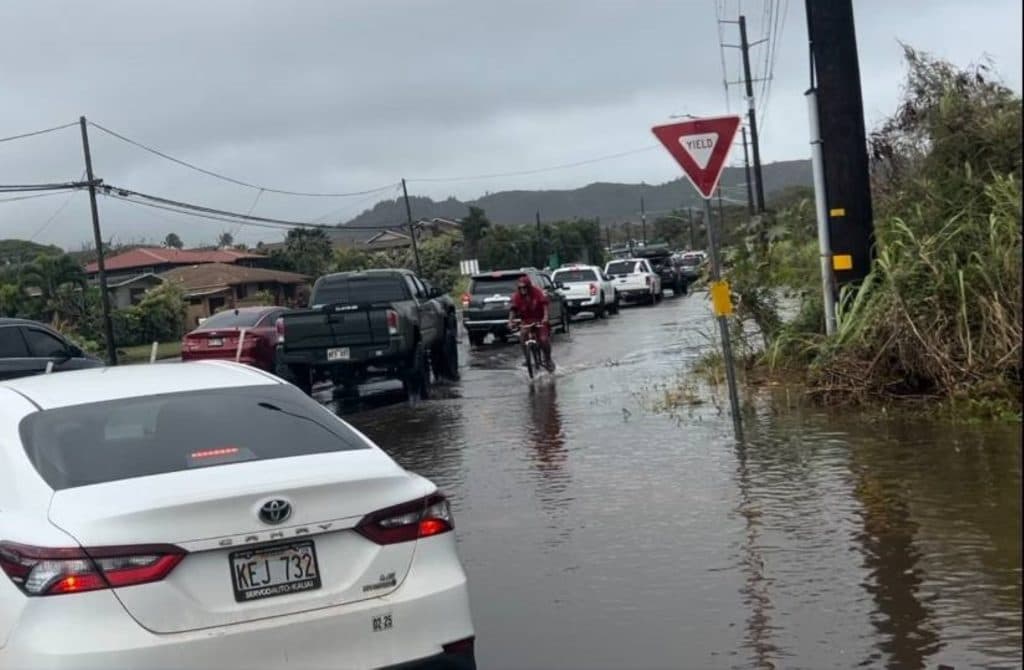
National Weather Service forecasters issued a series of advisories spanning Dec. 29, 2025, through Jan. 4, 2026, as a large northwest swell and overlapping long-period north-northwest swell combined with peak monthly high tides and higher-than-expected water levels. The result was advisory-level surf along north- and west-facing shores of Niʻihau and Kauaʻi and isolated coastal flooding around daily peak high tides that typically occur in the early morning hours.
The surf reached breaking heights of 10 to 16 feet on northern shorelines and 8 to 12 feet on western shorelines during the strongest periods, with forecasters noting strong breaking waves and strong currents made swimming dangerous. The high surf advisory first issued on Dec. 29 was extended at various points through Dec. 31 and early January as swells persisted. A coastal flooding statement noted minor flooding around shorelines and in low-lying coastal areas, especially along northern exposures to the northerly swell.
Impacts reported and warned against included flooding of beaches that are normally dry, minor coastal erosion, saltwater inundation of low-lying roads and infrastructure, and overwash around boat ramps. The notices urged residents to avoid driving through flooded roadways and to rinse vehicles with fresh water if salt water intrusion is unavoidable. Property owners were advised to move electronics, vehicles and other valuables to higher ground, to monitor vessels and mooring lines, and to secure canoes and other watercraft stowed on beaches. The public was also reminded to heed all advice from ocean safety officials and, "when in doubt, don't go out."

Public health and community concerns extend beyond immediate water and wave hazards. Even minor coastal flooding can block access to services, damage vehicles and homes, accelerate corrosion to infrastructure and create hazards for people who lack resources to relocate vehicles or possessions quickly. Low-income households and Native Hawaiian and Pacific Islander communities that live closest to shorelines are often disproportionately affected by repetitive tide-related flooding and may face greater barriers to recovery.
Local emergency planners and community groups are likely to consider these events as reminders of the need for targeted outreach and resources for vulnerable neighborhoods. The University of Hawaii Sea Grant College Program is collecting coastal flooding photos for the Hawaii and Pacific Islands King Tides Project; residents can submit images at pacificislandskingtides.org. As storm-driven swells decline, residents should continue to monitor conditions and prioritize personal safety when using beaches, boat ramps and coastal roadways.
Know something we missed? Have a correction or additional information?
Submit a Tip