Kauai County activates payment system for public EV chargers in Līhue
County-owned EV chargers in Līhue are now charging 39 cents per kilowatt hour, ending the free phase at the Civic Center and Historic County Building lots.
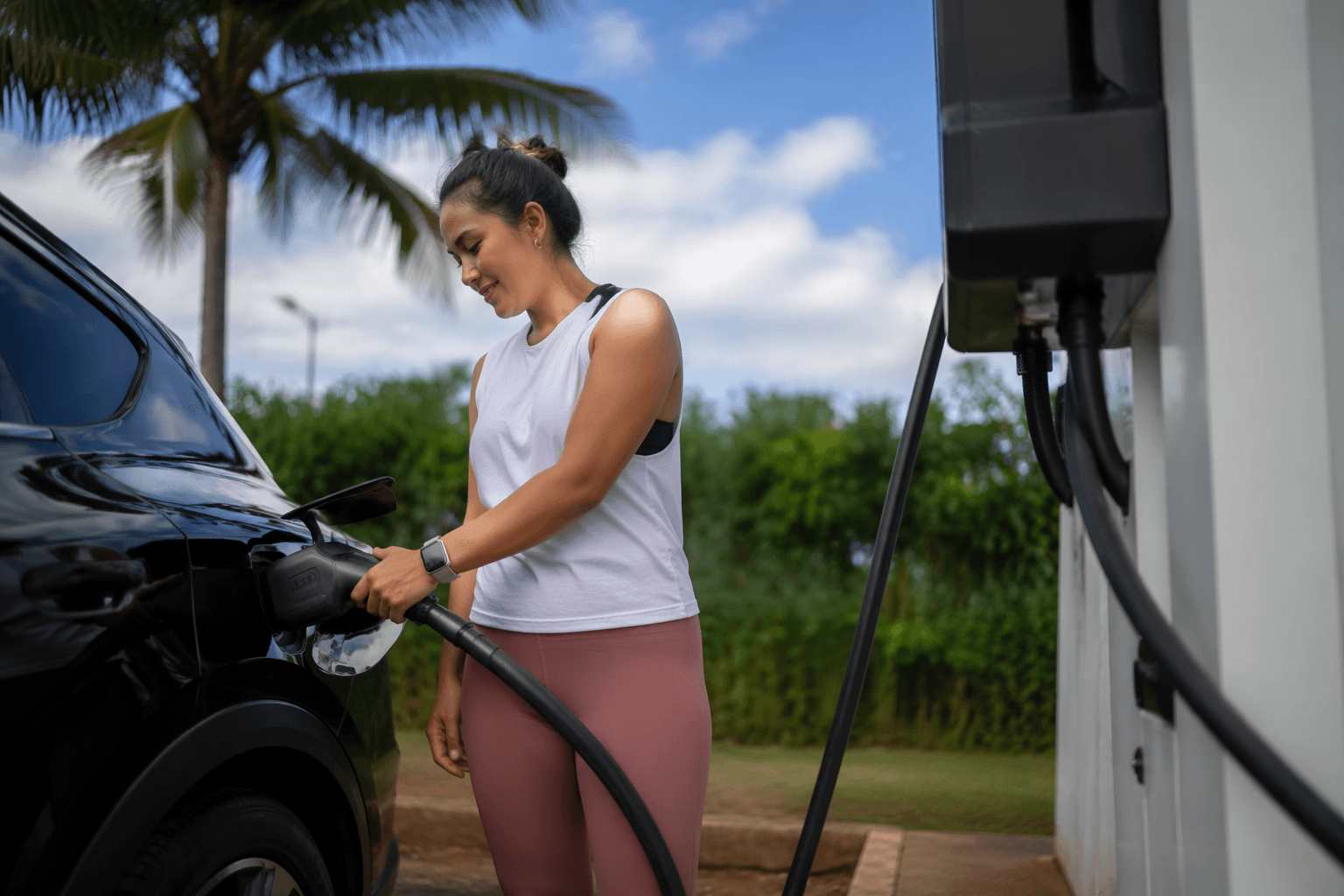
Kauai County turned on payment for its public EV chargers in Līhue at midnight Tuesday, ending the free use that had made the county-owned stations an easy stop for drivers on the Civic Center campus. The new rate is 39 cents per kilowatt hour, and all payments now run through the Tesla phone app.
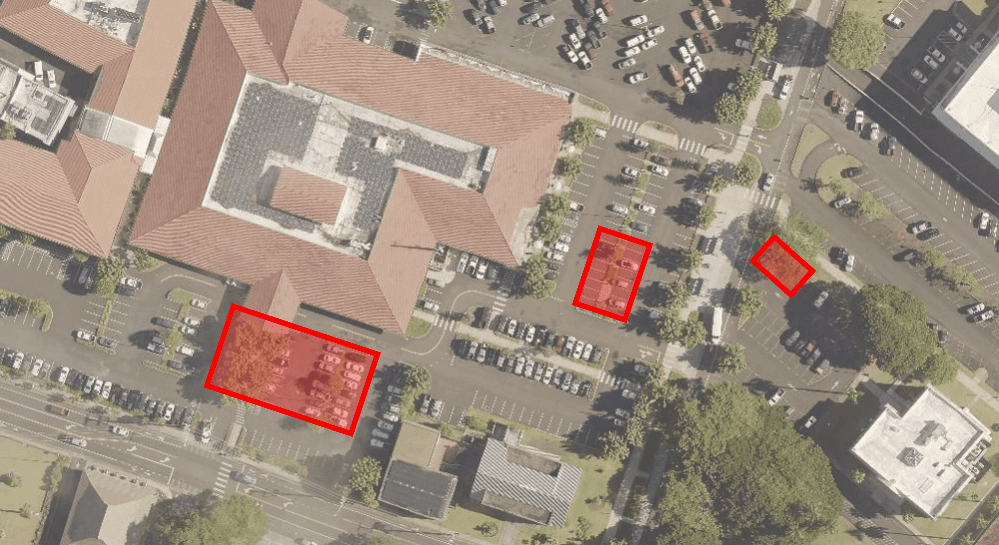
The change applies to the county’s public Level 2 Tesla chargers at the Līhue Civic Center Campus, including the Civic Center parking lot at 4444 Rice St. and the Historic County Building parking lot at 3060 Eiwa St. County officials said the activation could have caused a brief service interruption, and the Department of Finance apologized for the short notice and any inconvenience.
The county’s press release says there are 14 public Level 2 Tesla EV charging stations at the campus, while the county’s public chargers webpage lists 15. However many are currently active, the county has clearly moved the network from free public access to a paid system that now requires a payment workflow before charging can begin.
For Tesla owners, the process is direct. For other drivers, it is more complicated: open the Tesla app, select Charge Your Other EV, find the charging site on the map, confirm a payment method, then plug in and scan the QR code on the wall connector. That extra step is more than a technical detail. It marks a shift from a simple county amenity to a managed user-fee system that asks drivers to interact with the infrastructure as a paid service.
The county’s stated rationale is financial. Bill No. 2952, which was passed on first reading and ordered to print by the Kauai County Council on April 9, 2025, was designed to authorize user fees and other rules for public EV chargers so the county could recover operating and maintenance costs. A public hearing followed on May 14, 2025.
That policy shift fits a larger county and state picture. Kauai County has set goals to reduce ground transportation emissions by 100% by 2045 and convert its bus fleet to 100% electric by 2035. At the same time, Hawaii’s road usage charge for EVs began on July 1, 2025, adding another direct cost for electric-vehicle drivers across the state.

The Līhue chargers sit in a civic hub that matters far beyond county employees. Eiwa Street functions as a transit corridor, and county planning material ties the Civic Center area to bus service and downtown government access. For drivers who relied on the free chargers, the benefit remains, but it now comes with a bill.
This article was produced by Prism’s automated news system from verified source data, official records, and press releases, then run through automated quality and moderation checks before publishing. The system is built and supervised by the people who set the standards it runs under. Read our full AI policy.
Did this article answer your question?