Kauai County advances bill to allow bees in more neighborhoods
Kauai lawmakers moved to let apiaries into residential and other zoning districts, with a 15-hive cap on small lots and complaints sent to Vector Control.
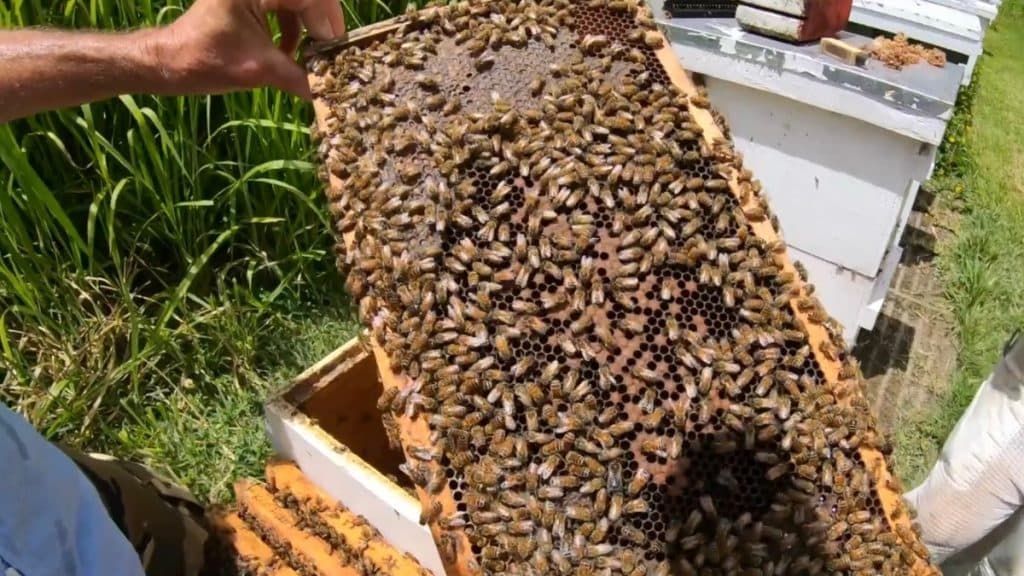
Kauai County lawmakers advanced Bill 2997, a zoning change that would allow apiaries in more neighborhoods across the island, including residential districts now off-limits to most backyard beekeepers. The bill would keep bees from being treated as an agricultural-only use and would instead make apiaries a permitted use in all zoning districts, a shift that supporters say could put more pollinators near Kauai farms and open new home-based sales of honey, wax and related products.
The proposal also would add countywide management standards for hives. In testimony submitted May 20, Grassroot Institute of Hawaii policy analyst Jonathan Helton said beekeepers would have to follow generally accepted practices, including hive maintenance, keeping hives away from bright lights at night and managing colonies to prevent swarming. Under the same proposal, individual beekeepers would be limited to 15 hives on lots smaller than 20,000 square feet unless the Kauai County Planning Department approved more.

That balance between access and control is likely to shape the neighborhood debate. The bill would spread bees into more developed areas, which could raise concerns for nearby residents about nuisance complaints and how county rules would be enforced. Under the testimony, complaints about improperly kept bees would go to the Hawaii Department of Health Vector Control Branch, not through a separate local beekeeping system. The measure also highlights how land-use policy can affect local food production, especially in a county where even small changes to the zoning code tend to draw scrutiny.
Helton’s testimony argued that the county’s own zoning code describes one purpose as maintaining Kauai as “The Garden Isle,” and said more beekeeping fits that goal by supporting agricultural producers. Grassroot said the change would increase the number of pollinators available to local farmers and create more opportunities to sell honey and related products. For growers of pollination-dependent crops, that could mean a broader base of bees spread across the island, not just on land zoned for agriculture.

The bill also follows a recent move by Hawaii County, which passed a 2024 beekeeping bill that removed an agricultural-district-only requirement and a 1,000-foot setback from roads. Grassroot cited Hawaii Island’s beekeeping sector as a $20 million-a-year industry and said the island supplies 75% of Canada’s queen bees and 30% to 35% of mainland queen bees. On Kauai, the Planning Department and council hearing process will determine whether those kinds of gains outweigh the neighborhood and enforcement questions that come with putting more hives in more zoning districts.
This article was produced by Prism’s automated news system from verified source data, official records, and press releases, then run through automated quality and moderation checks before publishing. The system is built and supervised by the people who set the standards it runs under. Read our full AI policy.
Did this article answer your question?