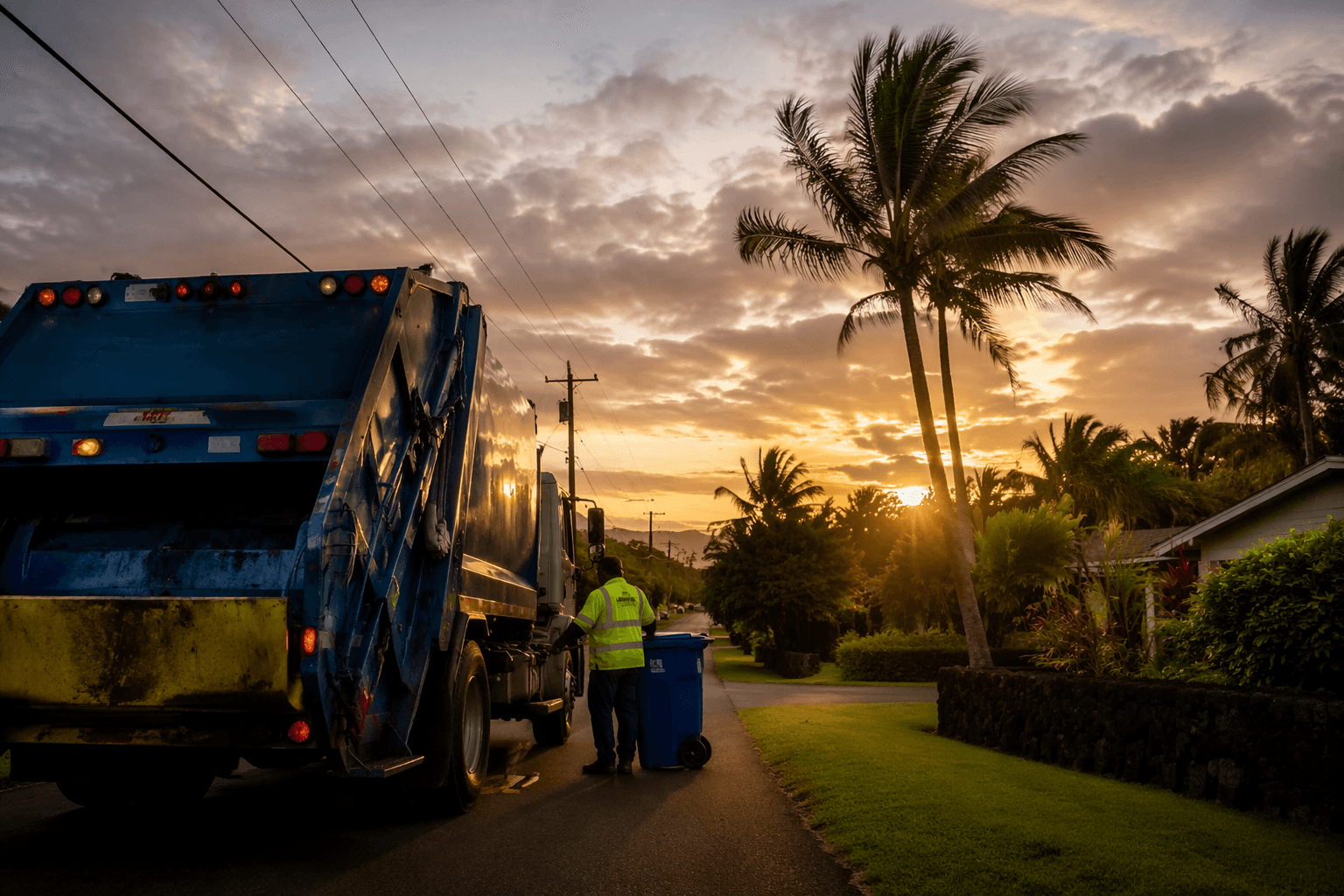
Kauai County Council approves budget after months of debate
Kauai families will feel this budget first in housing, road crews and rescue coverage, with $15.8 million for housing infrastructure and a $16 million helicopter.
After months of debate over housing, roads, bridges, parks, wastewater and landfill space, Kaua‘i’s new budget put the earliest household impact on the basics: where people live, how fast crews fix infrastructure and how quickly emergency responders can reach them.
The Kaua‘i County Council completed the fiscal year 2026-2027 spending plan at about $504 million, including $365 million for county operations and $139 million for capital improvement projects. That was roughly 4% higher than the prior year and followed the county’s fiscal year 2025-2026 plan of $347.1 million in operating spending and $135.6 million for capital work. The new budget takes effect July 1.
Housing remained the biggest long-term pressure point. The council considered about $15.8 million for housing-related infrastructure as Kaua‘i continues building out master-planned communities on county and private land. In ‘Ele‘ele, Lima Ola is expected to reach 550 homes on 75 acres, and roughly 140 homes had been completed there by April 2026. The county is also planning communities in Waimea and Kīlauea, with roughly 390 homes and 310 homes respectively, while Līhu‘e is slated to become the island’s fourth master-planned community after the council approved buying about 85 acres from Grove Farm.

Social-service funding also moved after the council heard roughly an hour of testimony from 14 people. Members boosted the homeless grant-in-aid program from $500,000 to about $1.5 million and increased money for adult and adolescent mental health, substance abuse programs, invasive species mitigation and early childhood development. The plan also added road crew positions and an early childhood coordinator, two jobs that residents are likely to feel through quicker maintenance and stronger early learning support.
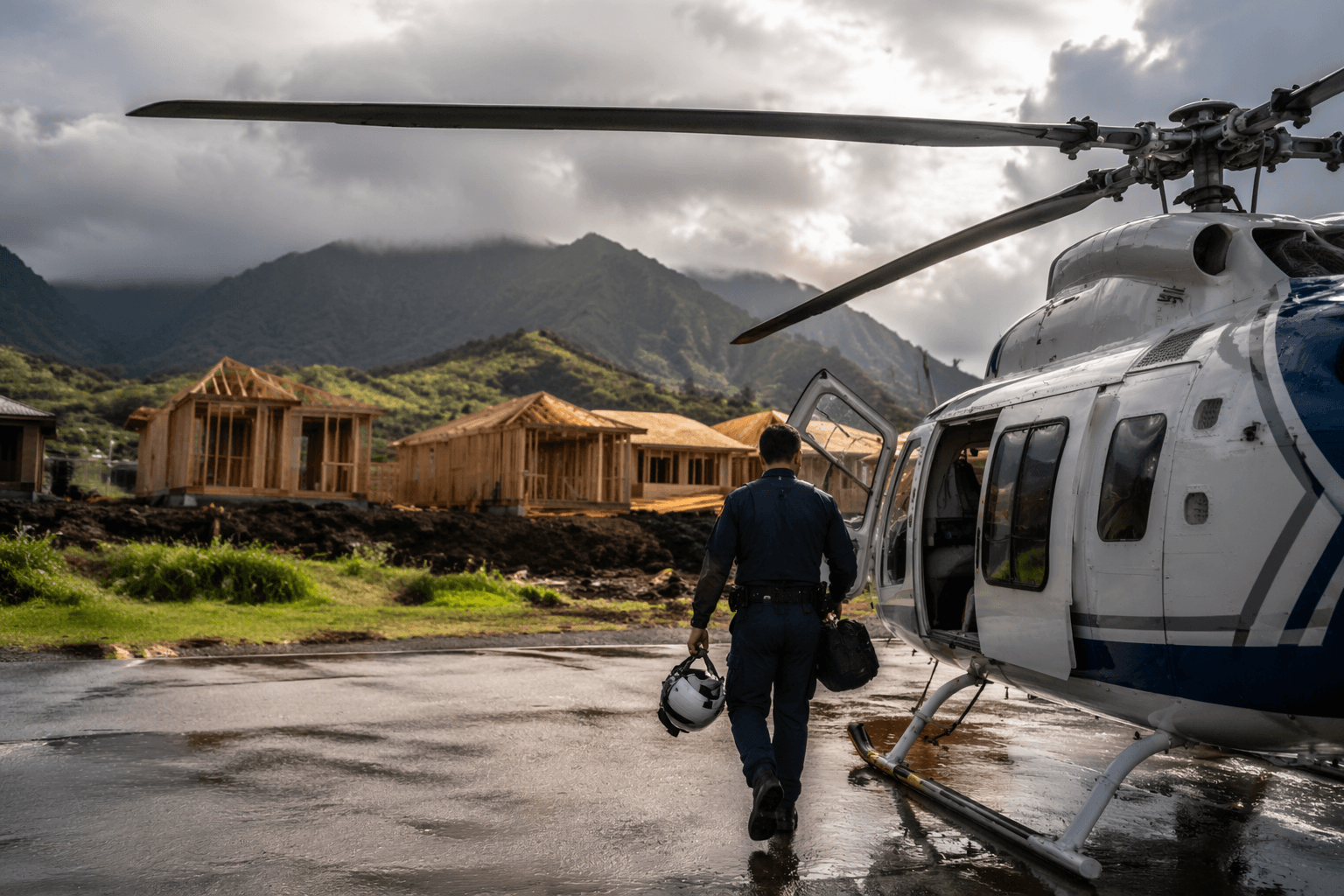
Public safety stayed near the top of the county’s priorities. Mayor Derek Kawakami’s proposal included a $16 million investment in a new twin-engine helicopter for fire suppression and rescues, a major purchase for an island that has spent years thinking about wildfire risk and faster emergency response. At the same time, the Kekaha landfill, which opened in 1953, remains a looming constraint. County officials have said it is approaching maximum capacity in 2027, and the planned expansion is meant to buy time while a new landfill site is pursued.
This article was produced by Prism’s automated news system from verified source data, official records, and press releases, then run through automated quality and moderation checks before publishing. The system is built and supervised by the people who set the standards it runs under. Read our full AI policy.
Did this article answer your question?