Kaua‘i County Day Hikes Guide: Top Trails, Safety and Cultural Respect
Local day-hike guidance outlines top Kaua‘i trails, safety measures and cultural respect to protect visitors, residents and fragile ecosystems.
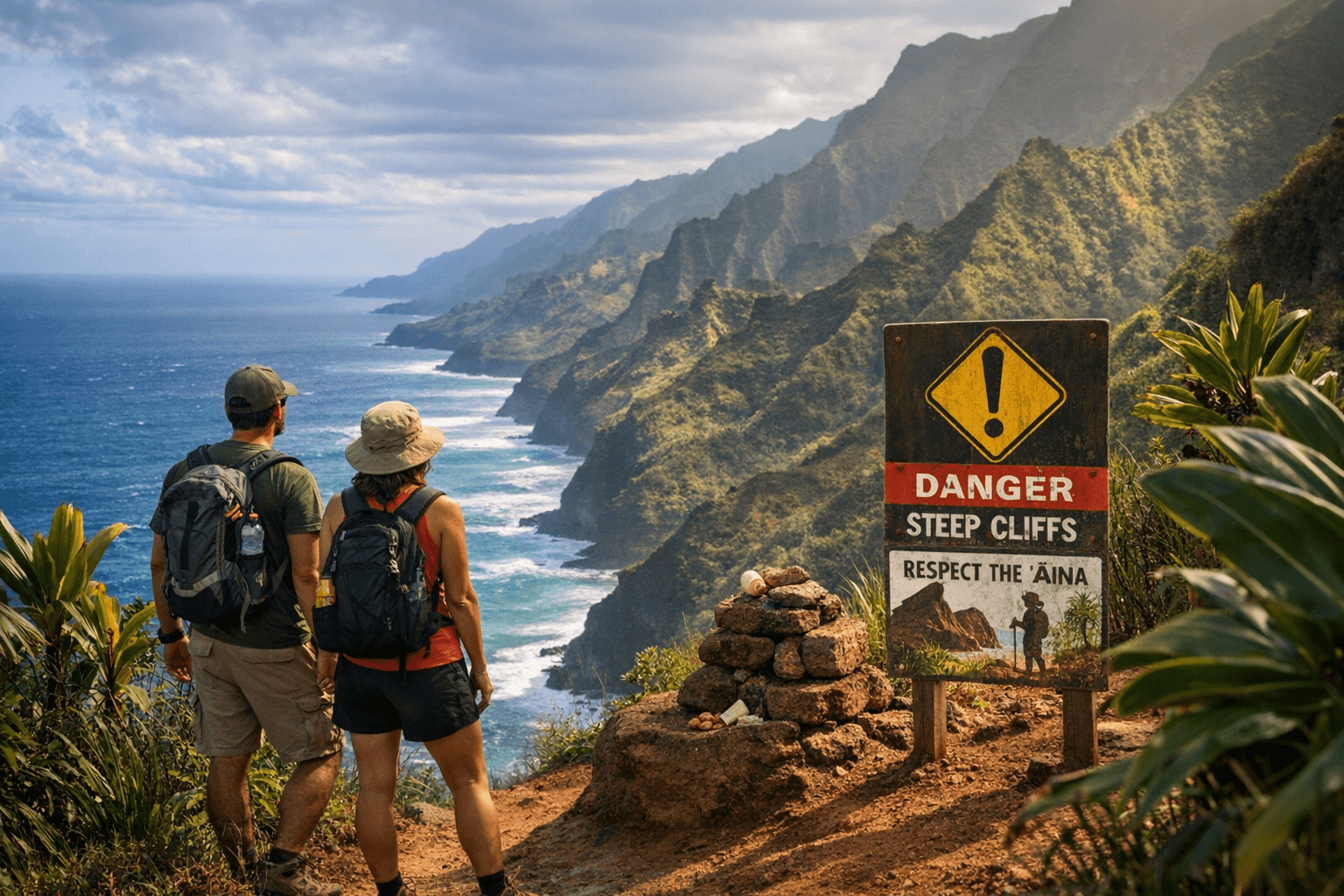
Kaua‘i's most accessible day hikes remain extraordinary draws for residents and visitors, but they demand preparation, cultural awareness and community-minded stewardship. From Waimea Canyon to the Nāpali shorelines, hikers should prioritize safety and respect for private and culturally sensitive land to reduce strain on local services and preserve native ecosystems.
Waimea Canyon lookouts and short trails on the Westside offer easy-to-moderate walks to dramatic overlooks. Check weather and park notices before you go, carry water and wear sturdy shoes to handle rough switchbacks and sudden wind. Kokeʻe State Park routes that approach Awaʻawapuhi Lookout and cross Pihea and Alakai areas deliver spectacular vistas, but trails can be muddy and foggy with cooler temperatures at higher elevation. Prepare with layered clothing, traction-capable footwear and awareness of posted closures.
Kīpū Falls and many valley trails cross private or culturally sensitive land. Confirm public access before entering, do not trespass and support local stewardship organizations that work to protect access and sacred sites. Nāpali Coast short access options such as Polihale and Keʻe shore approaches allow shoreline visits only at designated points; respect seasonal closures and lifeguard warnings and avoid attempting cliffside approaches that endanger you and responders. Wailua River and ʻOpaekaʻa Falls provide easy access to scenic viewpoints; consider guided tours for deeper context and safer exploration of waterways.
Public health and community impact are central concerns. Dehydration, heat-related illness and injuries from slippery or exposed terrain increase demand on Kaua‘i County and state emergency services, particularly in remote areas where response times are longer. Avoid single-person remote hikes and tell someone where you are going. Carry sufficient water, sun protection and reef-safe sunscreen to limit both personal risk and harm to marine environments when swimming or wading.
Stewardship practices protect fragile native plants and cultural sites. Stay on established trails, pack out what you pack in and follow posted cultural protocols and signs. Residents with generational ties to wahi pana - sacred places - call for aloha and pono: act with care, ask permission where access is unclear, and give back through volunteer days or donations to stewardship groups.
Practical planning reduces impacts on health care and county resources while honoring community values. Before heading out, check current conditions with Kaua‘i County or State Parks, plan routes appropriate to fitness and weather, and consider guided options for complex areas. Responsible choices today help keep Kaua‘i's trails safe, accessible and meaningful for everyone who calls the island home or comes to visit.
Know something we missed? Have a correction or additional information?
Submit a Tip