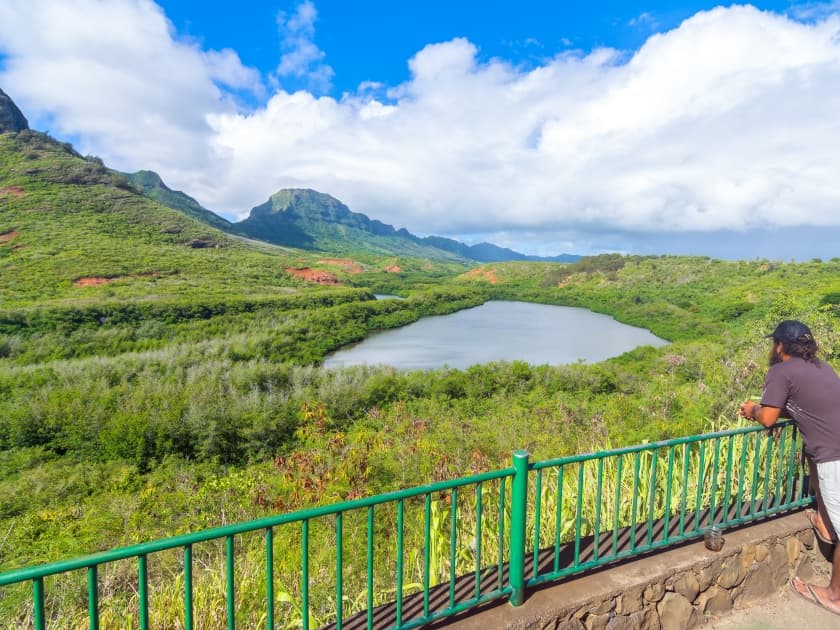
Kaua‘i cultural sites offer history, learning, and community connection for residents
Kaua‘i’s museums, heritage centers, wildlife refuge, and community run galleries and hālau together provide year round access to island history, arts, and cultural practices. For residents and visitors these sites support education, wellbeing, and local economies, while raising questions about equitable access, funding, and long term preservation.
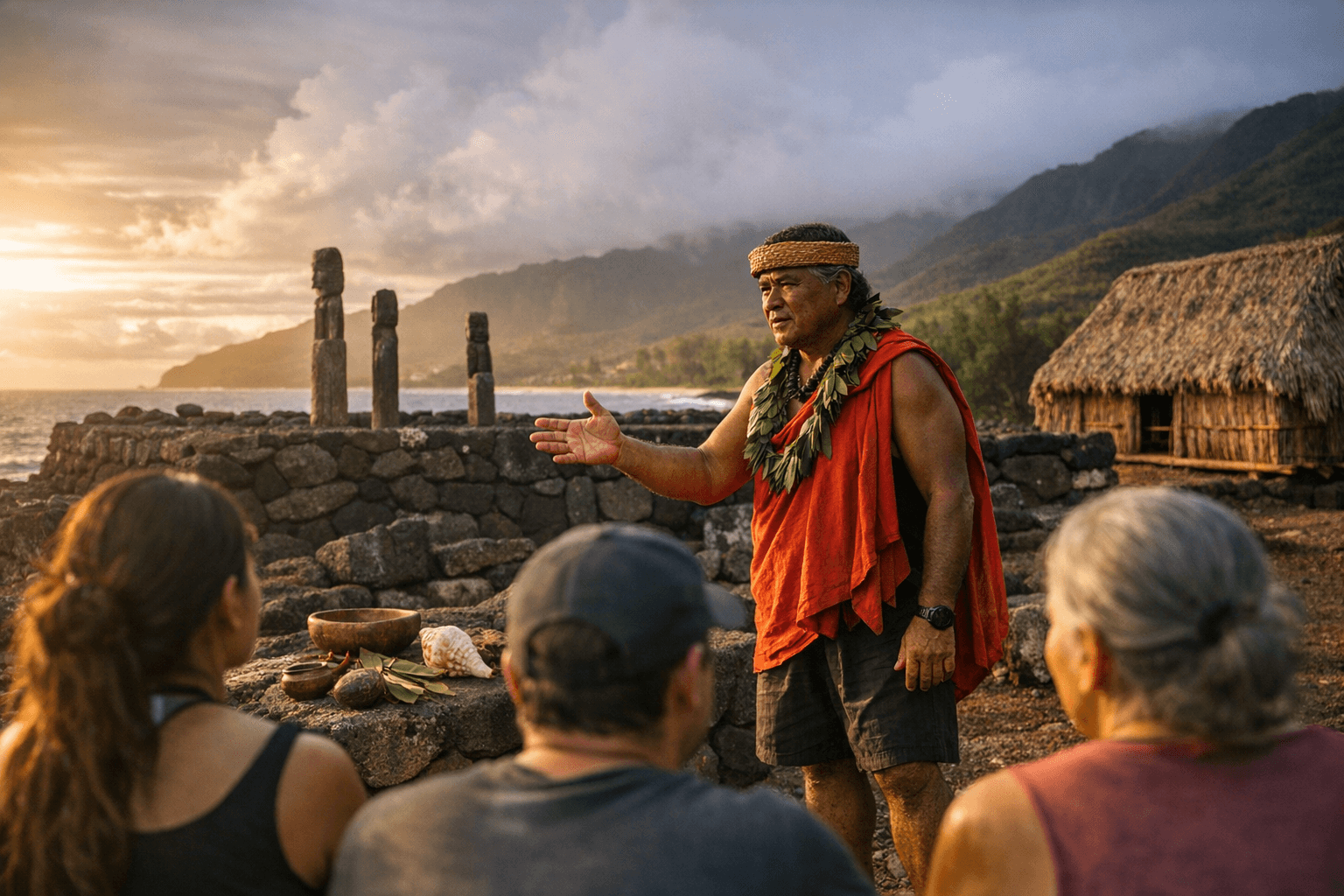
Kaua‘i’s key cultural and heritage sites serve as living classrooms where the island’s history and traditions are interpreted for residents and visitors. The Kaua‘i Museum in Līhu‘e presents exhibits on island history along with rotating cultural displays. Grove Farm Museum in Lawa‘i and Kōloa Plantation Town preserve plantation era homes and agricultural history that shaped the island. The West Kaua‘i Heritage Center and the Historic Waimea Theater anchor Westside history and host community events. On the North Shore, the Kilauea Point National Wildlife Refuge and Lighthouse combine natural conservation with cultural interpretation. Scattered across the island, small community run galleries and hālau offer craft, hula, and lei making demonstrations that keep practices alive.
These sites matter for public health and community wellbeing. Cultural participation supports mental health, strengthens social bonds, and provides affordable educational programming for keiki and kupuna. Many organizations accept donation based entry and hold community focused events that reduce economic barriers to participation. At the same time donation based models create financial uncertainty for caretakers of fragile historic properties and living culture, highlighting a need for stable public funding and policy support that centers community needs.
Access and equity are immediate concerns for county leaders and residents. Transportation to rural sites can be limited, and physical accessibility varies across historic structures. Ensuring that programming is available in Hawaiian language, inclusive of diverse income levels, and scheduled at times that working families can attend will make these resources more equitable. Partnerships between cultural organizations, Kaua‘i County, and state or federal agencies could strengthen conservation work and expand outreach to underserved neighborhoods.
For visitors and residents planning a visit, check each organization’s website for current hours, donation based entry policies, cultural programming schedules, and seasonal closures. Supporting these places through visitation, donations, volunteer time, and advocacy for public funding helps sustain cultural safeguards that are essential to community resilience, historical understanding, and island identity.
This article was produced by Prism’s automated news system from verified source data, official records, and press releases, then run through automated quality and moderation checks before publishing. The system is built and supervised by the people who set the standards it runs under. Read our full AI policy.
Did this article answer your question?