Kauai family sues state over man's death at South Carolina facility
A Kauai man died by suicide at a South Carolina facility. His family says the state owes answers after the second Hawaii death tied to the same center.
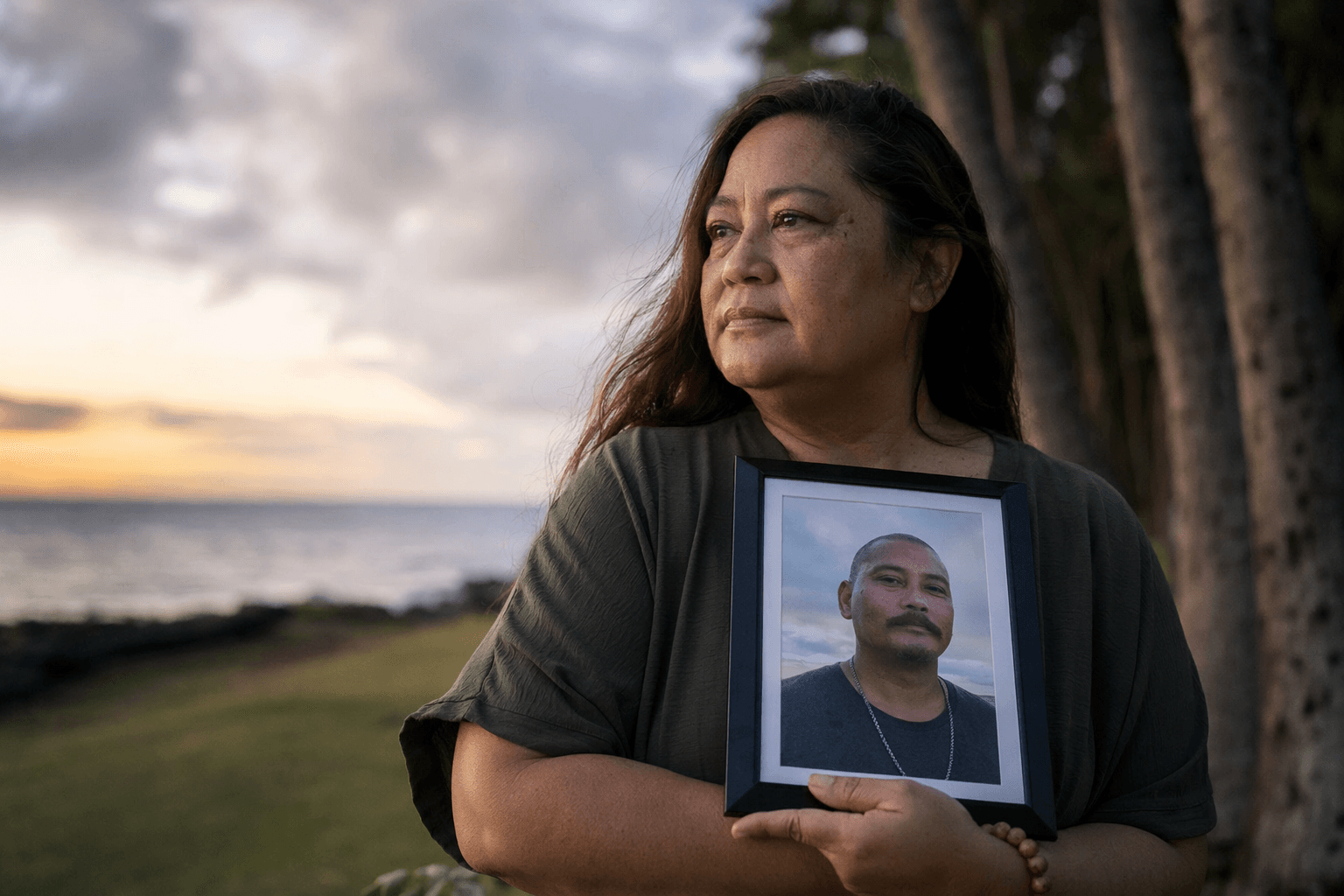
The family of Payton Hough, a 34-year-old Kauai man who died by suicide in November 2025 at Columbia Regional Care Center in South Carolina, is suing the state, pressing for answers about how a mainland placement ended in tragedy. It is the second Hawaii patient death tied to the Columbia facility and the second lawsuit filed over those transfers, putting new pressure on the state’s oversight of patients sent thousands of miles from home.
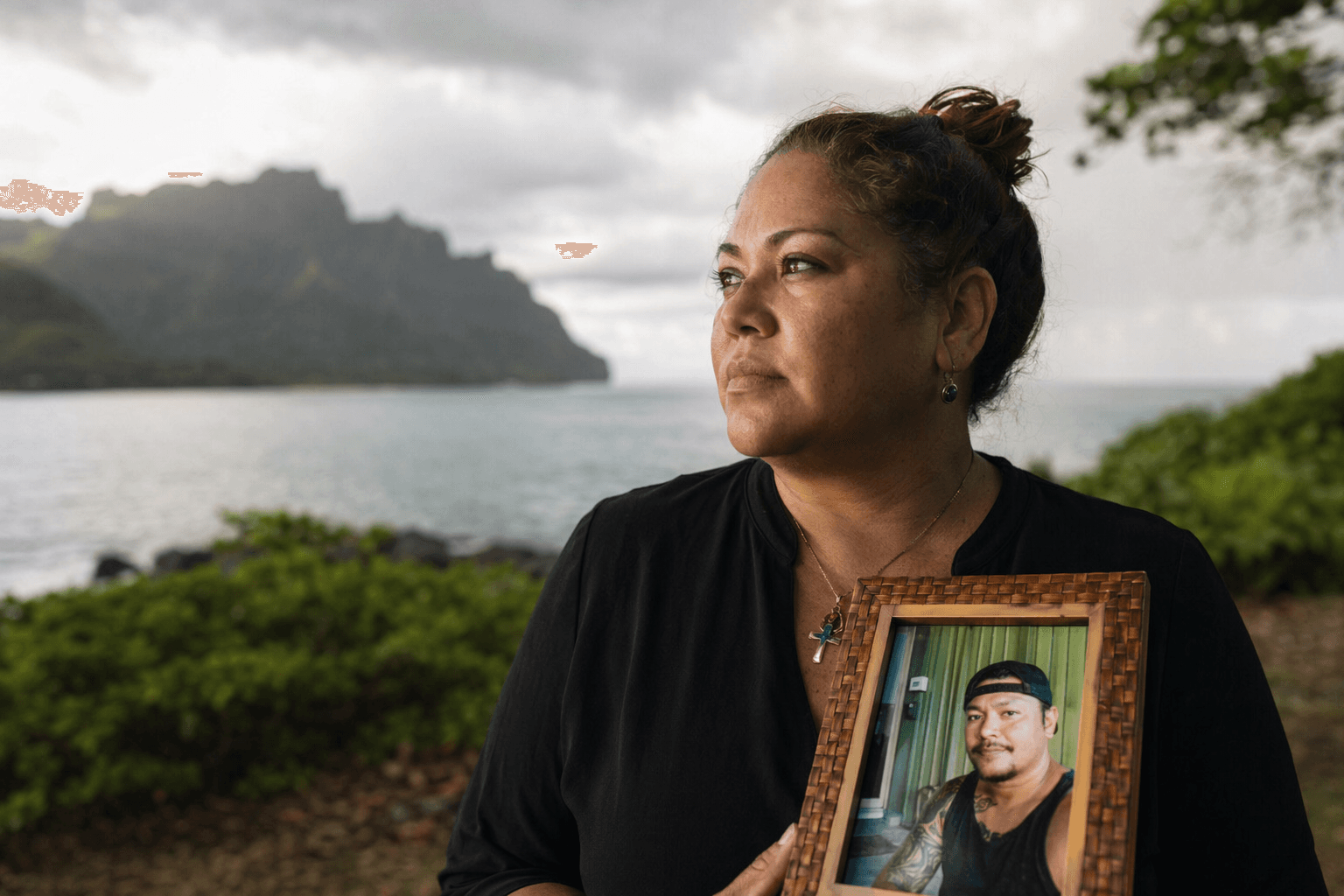
“The battle is not over,” the family said as the legal fight continues. The lawsuit alleges negligence in Hough’s mainland treatment at the private secure forensic facility in Columbia, where Hawaii State Hospital has sent some patients under contract.
State reporting shows how many Hawaii patients have been placed there. The Hawaii Department of Health’s 2026 report to the Legislature said five Hawaii State Hospital patients were being cared for at Columbia Regional Care Center at the end of fiscal year 2025. Hawaii law requires the department to submit annual forensic-patient data under HRS § 334-16, including admissions, discharges, lengths of stay and patient categories.
That reporting duty is at the center of the accountability gap now facing island families. Once a patient leaves Hawaii, families often have far less day-to-day visibility into treatment, staffing and safety decisions, even though the state remains responsible for the placement. The issue has become more urgent because Columbia Regional Care Center is a 347-bed mental health facility on Farrow Road operated by Correct Care Recovery Solutions, and lawmakers in both Hawaii and South Carolina have begun scrutinizing it after two patient deaths last year.
The case also brings back memories of Curtis Panoke, who was sent from Hawaii State Hospital to Columbia Regional Care Center in 2010 after multiple assaults. In 2016, other patients there beat him into a coma. His family has also sued the facility and the state.
For Kauai families, the Hough case underscores a hard question that extends beyond one lawsuit: what real oversight exists when Hawaii sends a loved one off-island for psychiatric care, and how much can families learn once the plane leaves the island?
This article was produced by Prism’s automated news system from verified source data, official records, and press releases, then run through automated quality and moderation checks before publishing. The system is built and supervised by the people who set the standards it runs under. Read our full AI policy.
Know something we missed? Have a correction or additional information?
Submit a Tip