Kauai health office releases emergency preparedness survey results
Kauai’s emergency survey found households still facing food assistance needs, delayed care and missed treatment they cannot afford, even as officials map disaster readiness.
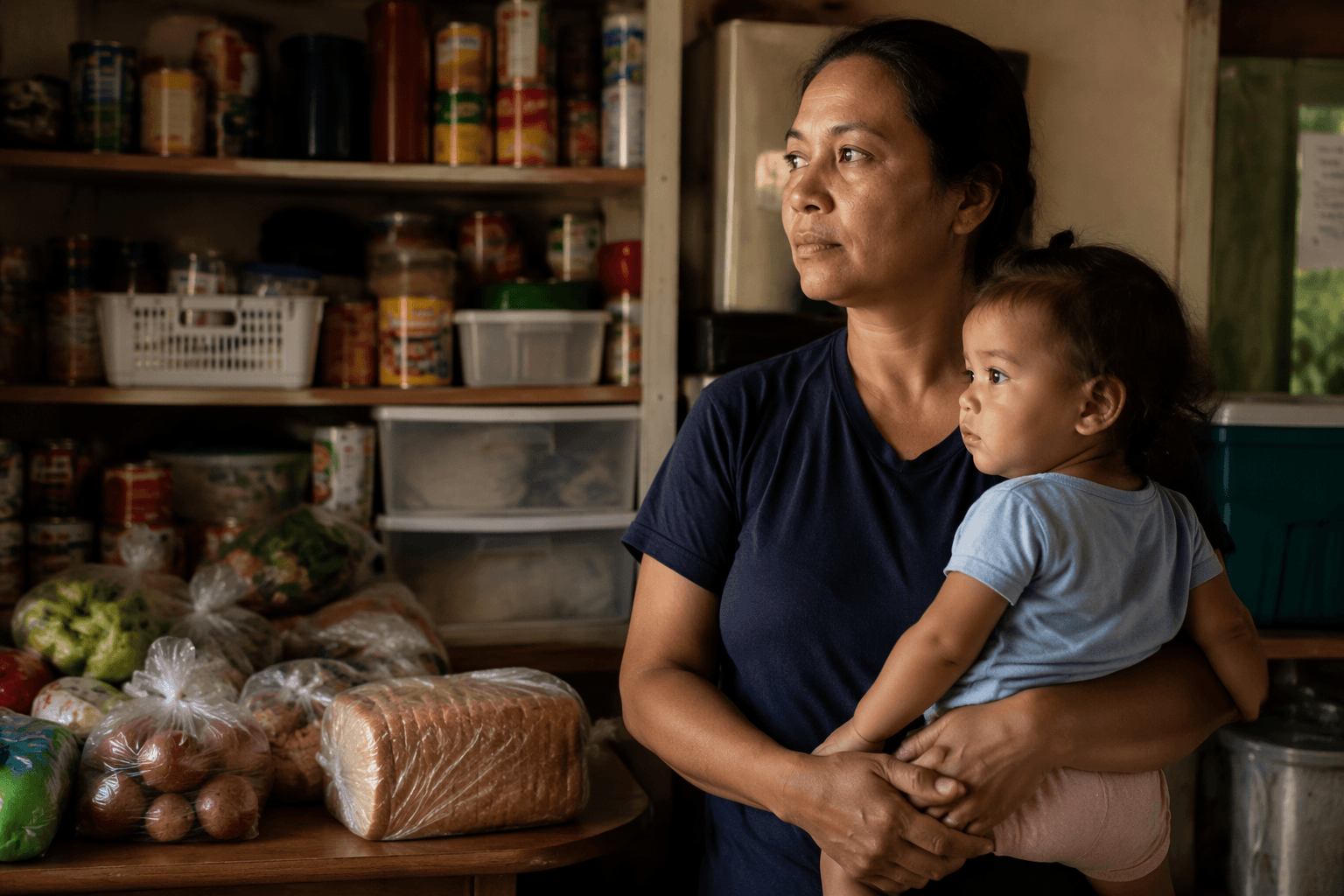
The Kauai District Health Office released its 2026 Community Assessment for Public Health Emergency Response survey report online July 20, and the appendix material points to a familiar gap in island preparedness: households still need food help, and some residents are delaying or skipping medical care because they cannot afford it.
The report, dated June 2026, is a Hawaii State Department of Health publication built around a countywide look at what families may need before, during and after a disaster. CASPER stands for Community Assessment for Public Health Emergency Response, a rapid needs-assessment method developed by the Centers for Disease Control and Prevention and used on Kauai before, including in a 2025 final report and a 2020 COVID-19 preliminary report.
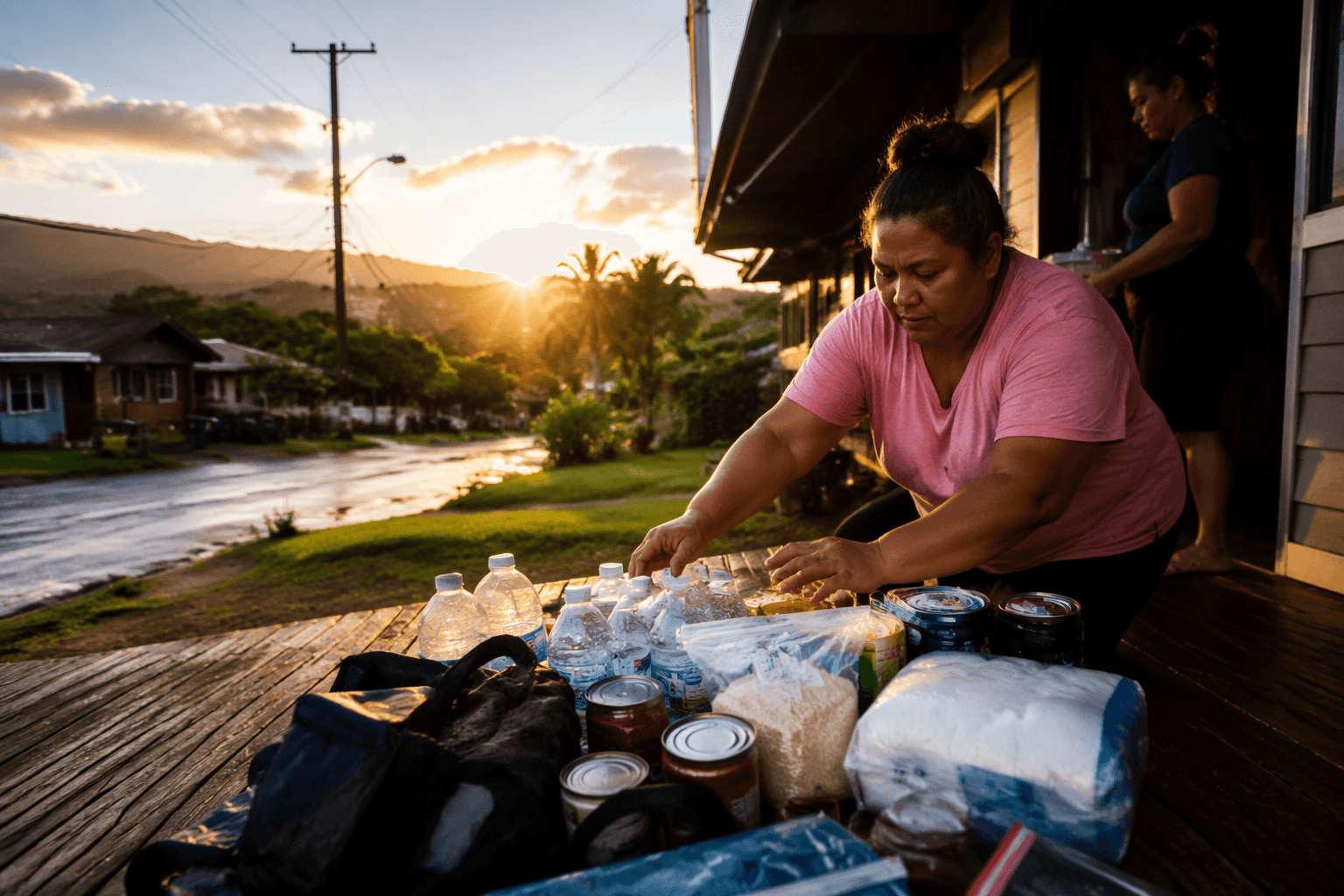
KDHO teams conducted door-to-door surveys at randomly selected households across Kauai from June 15-19, 2026. County of Kauai and state posts had already asked residents to participate in the voluntary emergency preparedness survey in early June, framing the effort as part of the state’s effort to better meet community needs in a disaster. The 2026 report follows that outreach with a formal package of findings, methods, results, discussion, references, acknowledgements and appendices.
Those appendices matter because they show what the health office was asking households about. The report includes a questionnaire, informed consent script, letter to selected households, tracking form, referral form and a longitudinal analysis table. The appendix data surfaced in the report also reference food assistance, delayed or skipped care, and missed healthcare services tied to unaffordability.
For Kauai families, those details cut to the heart of emergency planning. A household that already struggles to pay for care is less protected when a storm, outage or evacuation closes roads, strains pharmacies or interrupts clinic visits. Food access raises the same question, because emergency readiness is not only about water, batteries and a go bag, but whether neighbors can keep eating and keep medicine in reach when systems break down.
The report gives the Hawaii State Department of Health and county leaders a clearer picture of the island’s weakest points. The next test is whether those findings lead to more practical help for the households that said, in effect, they are already one disruption away from falling behind.
This article was produced by Prism’s automated news system from verified source data, official records, and press releases, then run through automated quality and moderation checks before publishing. The system is built and supervised by the people who set the standards it runs under. Read our full AI policy.
Did this article answer your question?