Kauaʻi Middle School Makahiki Championship Revives Culture, Builds Community
More than 250 middle school students from 13 Kauaʻi schools gathered December 14 for the second annual Kauaʻi Middle School Makahiki Championship, a student centered competition of traditional Hawaiian games that emphasizes cultural learning, teamwork, and sportsmanship. The event matters to local residents because it reconnects youth with Hawaiian practice, brings schools and public safety partners together, and highlights opportunities for schools and county leaders to support culturally grounded programming.

On December 14 more than 250 middle school students from across Kauaʻi competed in the second annual Kauaʻi Middle School Makahiki Championship, an islandwide tournament rooted in traditional Hawaiian games and cultural practice. Thirteen public, charter, and private schools each sent 20 student athletes to the event, with Kawaikini New Century Public Charter School taking the championship trophy.
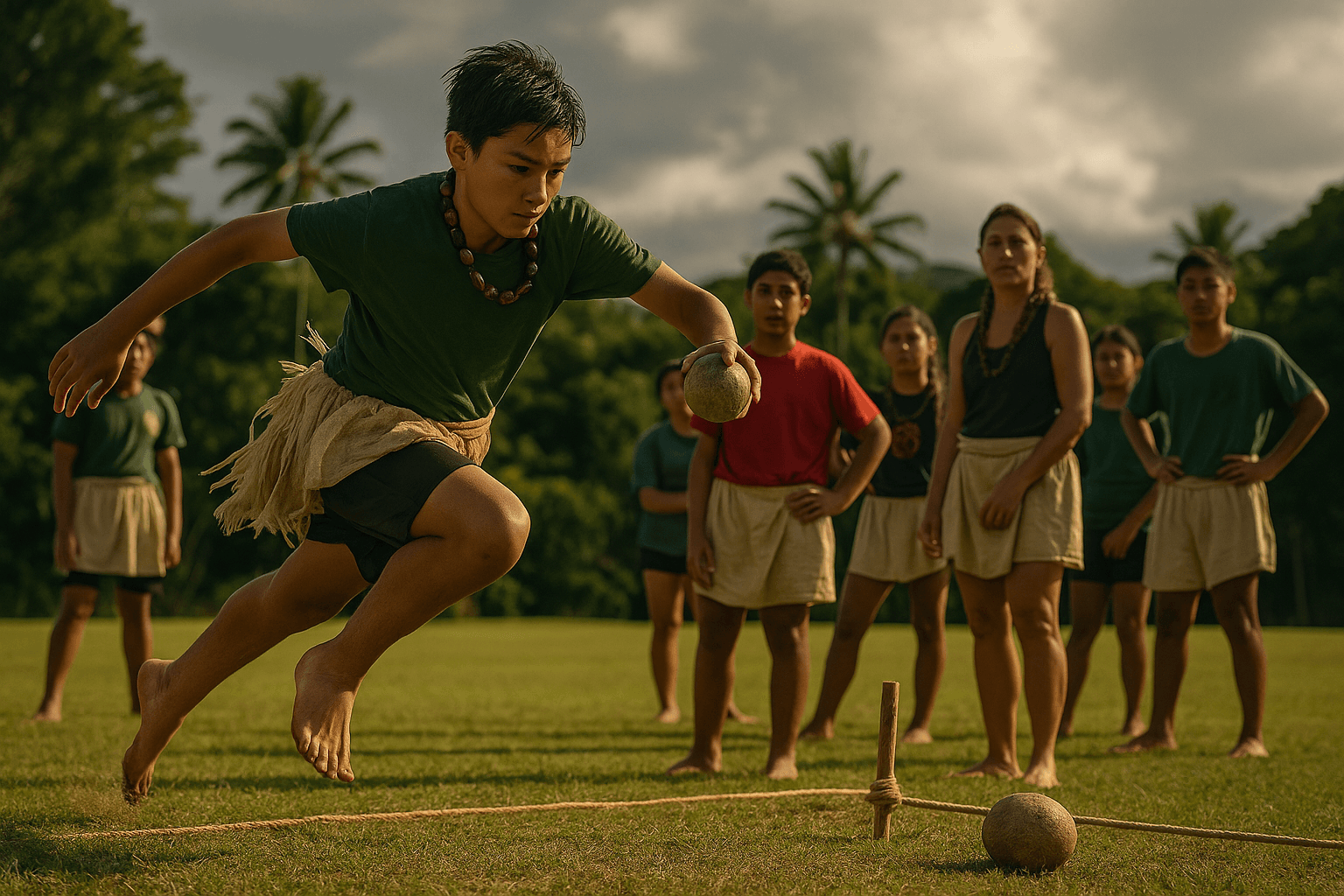
The Makahiki Championship brought students together to contest 11 traditional events and to learn cultural context. Competitions included hākā moa, known as one legged wrestling, pā ʻumeʻume or hand wrestling, hukihuki tug of war, ʻulu maika or stone bowling, kūkini foot racing, kōnane the Hawaiian strategy game, and ʻōʻō ihe or spear throwing. Organizers emphasized that success in these events depends on skill, focus, and strategy rather than physical strength alone, and that boys and girls competed together throughout the day.
The championship was coordinated by Kumano I Ke Ala in partnership with Kauaʻi Community College, Kamehameha Schools Kaiāulu, the Kauaʻi County Fire Department, the Ocean Safety Bureau, and other community organizations. Those partnerships provided logistical support and ensured safety so schools could focus on student learning and cultural practice. Founder Kaina Makua framed the event within broader Hawaiian history when he said, “I think what you have to understand is the cultural significance of Makahiki and even society in Hawaiʻi. It wasn’t all fun and games. It also wasn’t all war. It was a time for war and politics and a time for peace and agriculture,” said founder Kaina Makua, executive director of Kumano I Ke Ala. Makua also noted that Makahiki training helps students build cultural grounding, work ethic, and respect for others.
For Kauaʻi families and educators the championship reinforced classrooms as sites of cultural transmission and civic engagement. The event models a partnership approach that school leaders and county officials can study when considering curriculum choices, program funding, and after school investments. As the second annual championship concludes, organizers and schools face questions about sustaining the program, expanding participation, and ensuring equitable access so future cohorts of students can gain the same cultural and educational benefits.
Know something we missed? Have a correction or additional information?
Submit a Tip