Kauai Police Begin Training on New MILO Simulator for High-Risk Scenarios
Kaua‘i Police began training on a new MILO simulator to rehearse high-risk scenarios indoors, improving readiness and reducing weather-related training disruptions.
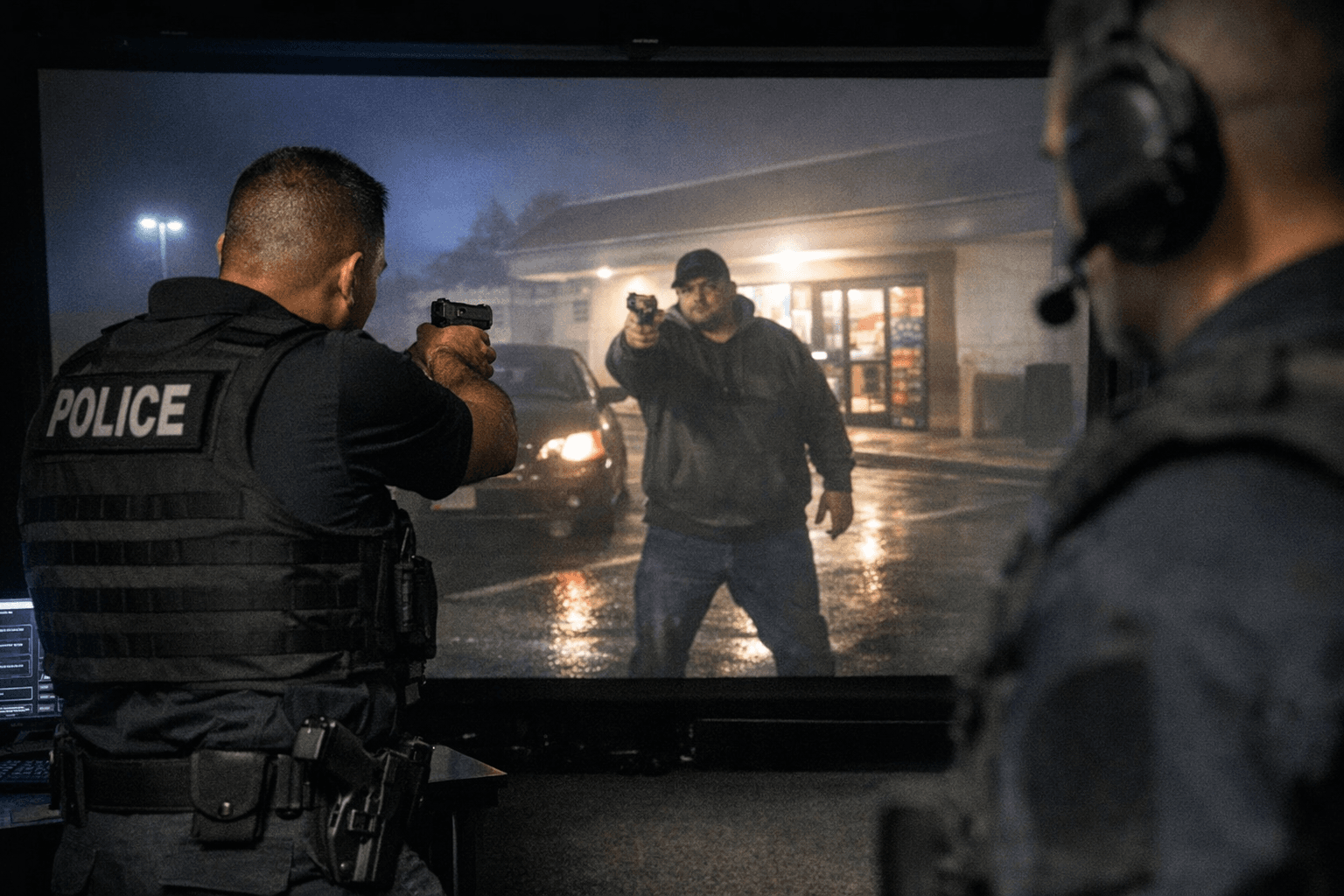
The Kaua‘i Police Department began using a state-of-the-art MILO training range to run immersive, instructor-guided simulations aimed at preparing officers for dynamic, high-risk scenarios. The department started the initial training sessions on February 12, 2026, at an indoor facility that was unveiled in late 2025.
The simulator creates controlled, repeatable scenarios that allow instructors to adjust variables and present officers with split-second decision points without exposing trainees or the public to live hazards. Because the range is indoors and weather-independent, Kaua‘i Police can train year-round despite the island’s frequent rain and trade-wind conditions that have long complicated outdoor exercises and logistics.
The MILO system is designed for scenario-based training rather than marksmanship practice. It supports instructor-directed role play and decision-making rehearsal in situations that law enforcement identifies as high risk. For Kaua‘i County, those scenarios can include rapidly evolving encounters where officers must assess threats, manage bystanders, and apply de-escalation and use-of-force protocols under stress. The simulator’s repeatability enables departments to run the same scenario multiple times for performance assessment and skill refinement.
Local impact centers on public safety and accountability. More frequent, realistic training can improve officer readiness in complex incidents while reducing the need for live role players and large-scale, weather-sensitive setups that require time and expense to coordinate. For a rural island jurisdiction, the ability to concentrate training indoors can also lower travel burdens for personnel dispersed across precincts and free up patrol time for routine community policing.
Institutional questions follow from the new capability. Policymakers and residents may seek transparency on how the department measures training outcomes and whether simulation data will inform use-of-force reviews, policy updates, or community oversight. Integrating the MILO range into Kaua‘i Police training programs also raises budgeting and scheduling decisions for the county, including how often scenarios are run and which units receive priority access.
Kaua‘i Police Department’s adoption of the MILO simulator signals a shift toward technology-driven training methods that are less dependent on weather and more focused on scenario realism. For residents, the near-term effect is a department that can practice high-risk responses more often and with greater control, while longer-term implications will hinge on how training results are reported and translated into policy and oversight to ensure community trust.
This article was produced by Prism’s automated news system from verified source data, official records, and press releases, then run through automated quality and moderation checks before publishing. The system is built and supervised by the people who set the standards it runs under. Read our full AI policy.
Did this article answer your question?