Kauai screening marks 80 years since Honouliuli camp closure
A free Kauai Community College screening will revisit Honouliuli’s closure with first-hand island accounts and a local reminder of wartime incarceration’s reach.
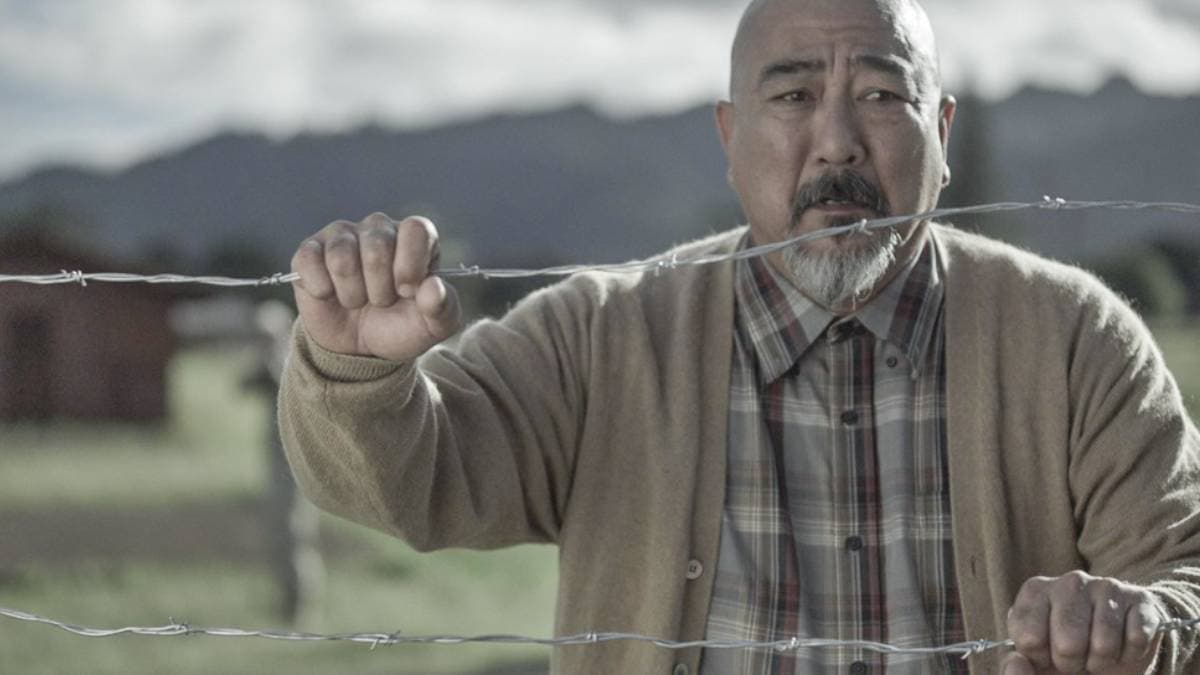
A free screening of Voices Behind Barbed Wire will be held Saturday at 4 p.m. at Kauai Community College, bringing first-hand accounts of Hawaii residents to a community marking 80 years since Honouliuli Internment Camp closed. The program lands on Kauai with a direct service purpose: it gives families, students, educators and kūpuna a chance to hear stories that often stay buried in textbooks.
The film, directed by Ryan Kawamoto, shares untold first-hand accounts from Hawaii State residents and traces personal stories of Japanese Americans on Oahu, Maui, Kauai and Hawaii Island. Those accounts include arrest, transfer, interrogation and incarceration in places as far away as New Mexico, Arkansas and Arizona, making the screening relevant not only as history but as a record of how wartime policy reached across islands and into everyday family life.
Honouliuli itself was the largest and longest-used confinement site in the Hawaiian Islands during World War II for U.S. citizens and residents of Japanese and European ancestry who were arbitrarily suspected of disloyalty after the attack on Pearl Harbor. The site held about 4,000 prisoners of war and 400 civilians, opened in 1943 and permanently closed in 1945. President Barack Obama established it as a National Monument on Feb. 24, 2015, and it later became Honouliuli National Historic Site.
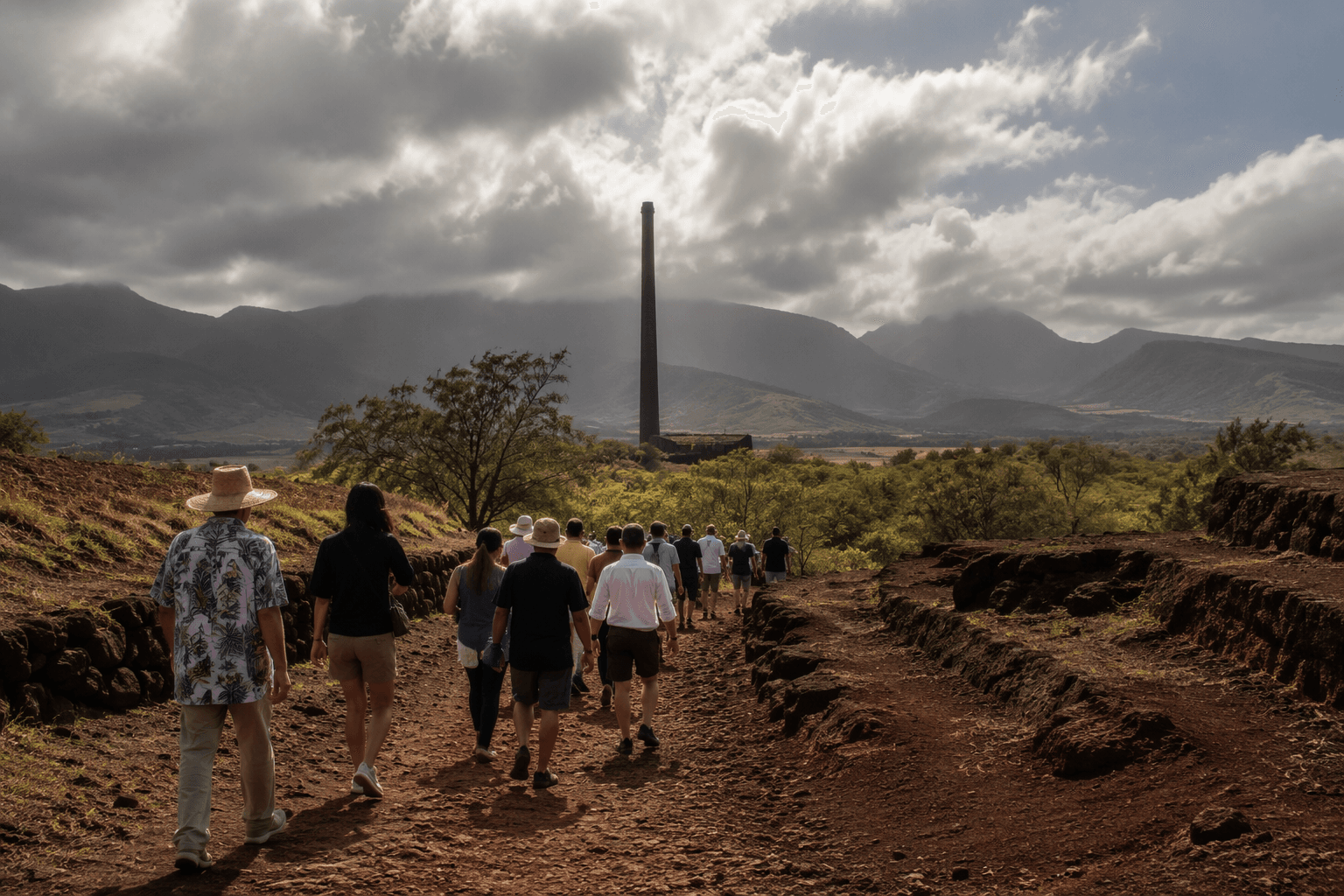
The Kauai screening also connects to the neighbor islands in a more local way. The Japanese Cultural Center of Hawaii’s Kauai World War II internment collection says wartime internment affected the neighbor islands in ways that were unique to their close-knit communities, and that the collection grew from reconnaissance trips to four main internment and detainment sites on Kauai. That makes the film useful not just for people who want to remember the past, but for anyone trying to understand how wartime suspicion, military restrictions and censorship shaped local households.
The program is part of a broader public-history effort across Hawaii, with the same film appearing at East Hawaii Cultural Center in Hilo and in statewide community listings. On Kauai, its free admission lowers the barrier for people who want to learn together about a chapter of Hawaii history that still touches island families, from genealogy to civic memory, long after the camp’s closure.
This article was produced by Prism’s automated news system from verified source data, official records, and press releases, then run through automated quality and moderation checks before publishing. The system is built and supervised by the people who set the standards it runs under. Read our full AI policy.
Did this article answer your question?