Kauai to gain park and water funding in Green Fee spending plan
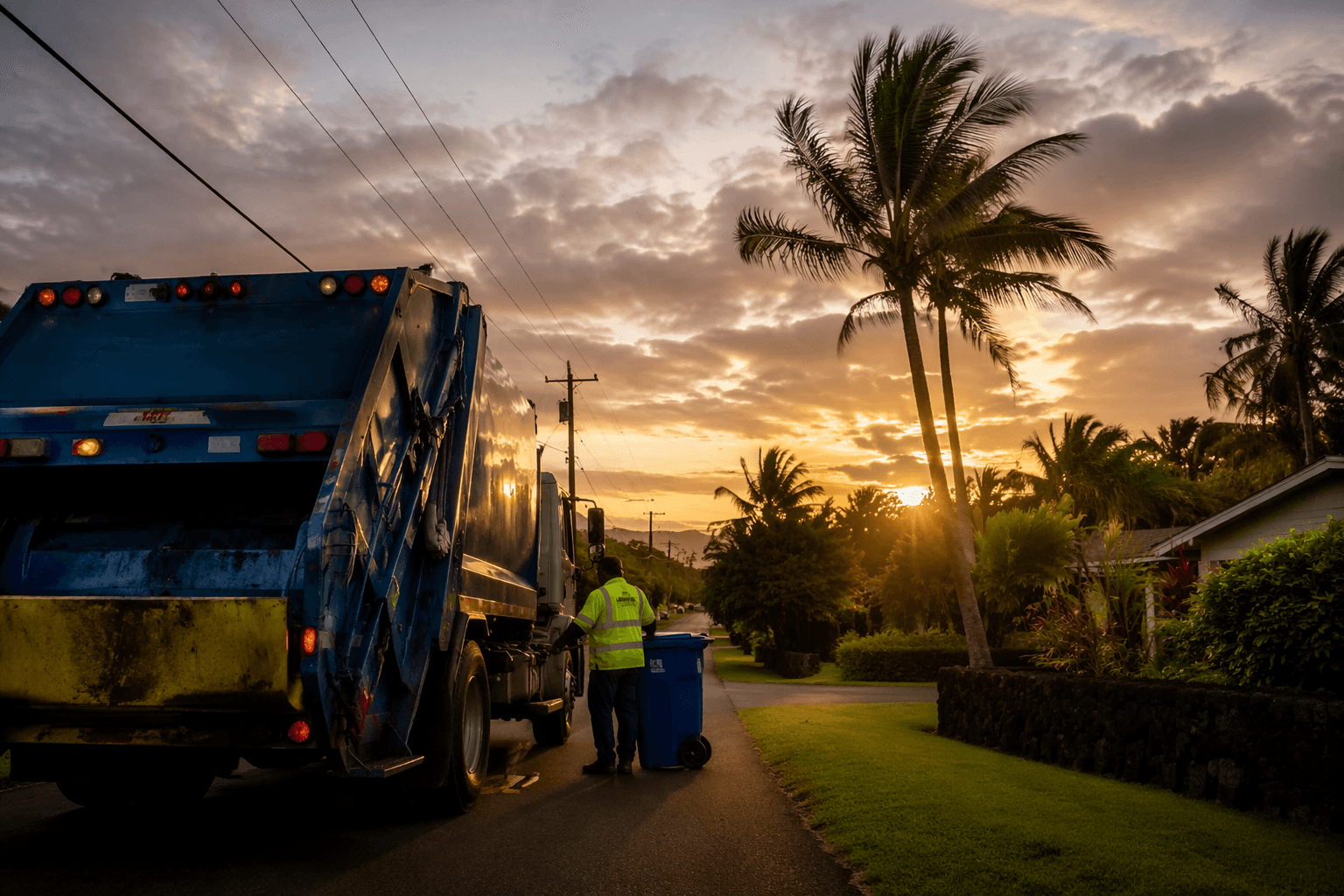
Kaua‘i stood to gain $11.6 million for Waimea Canyon, Kōke‘e and West Kaua‘i water systems as lawmakers reshaped the new Green Fee spending plan.
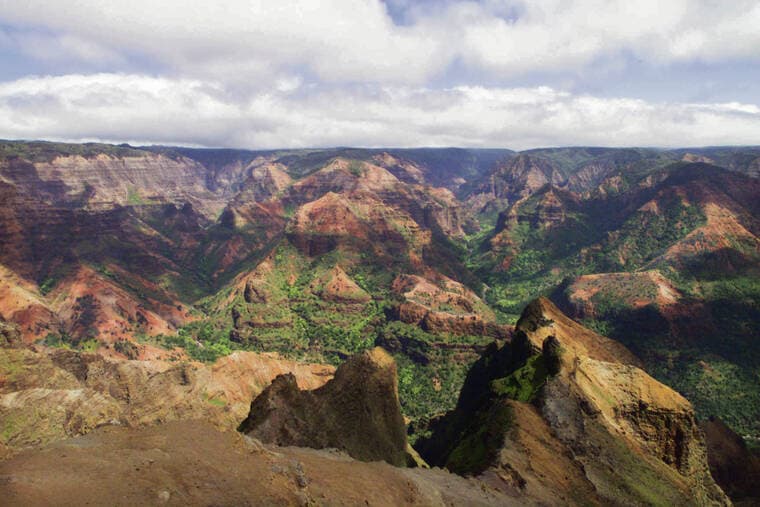
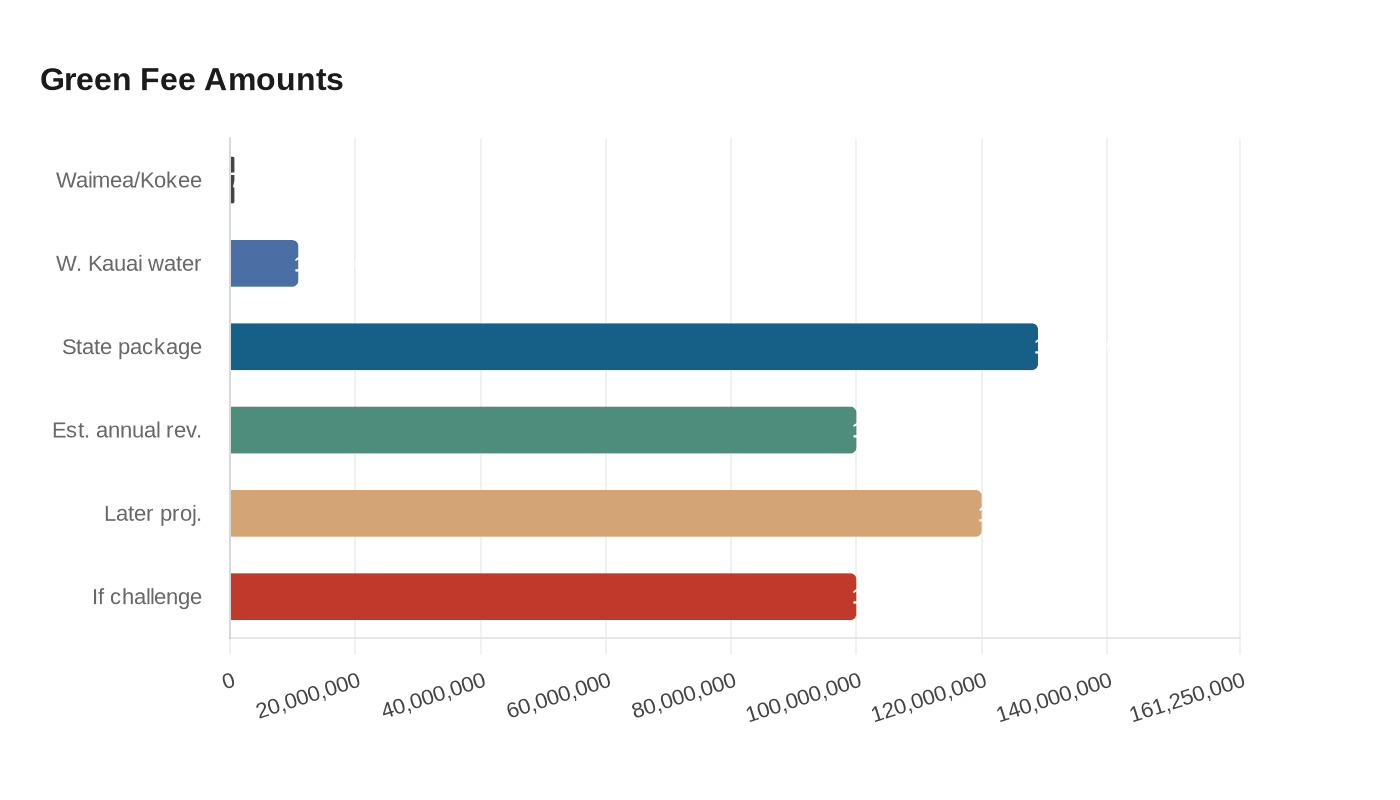
Kaua‘i emerged as one of the clearest local winners in the Legislature’s latest Green Fee spending plan, with a proposed $700,000 for Waimea Canyon and Kōke‘e state parks and $10.9 million for West Kaua‘i water system safety and preparedness. Those projects put the island’s most visible natural assets and a critical utility network at the center of a statewide fight over whether the new tourism tax should stay tightly focused on conservation and resilience.
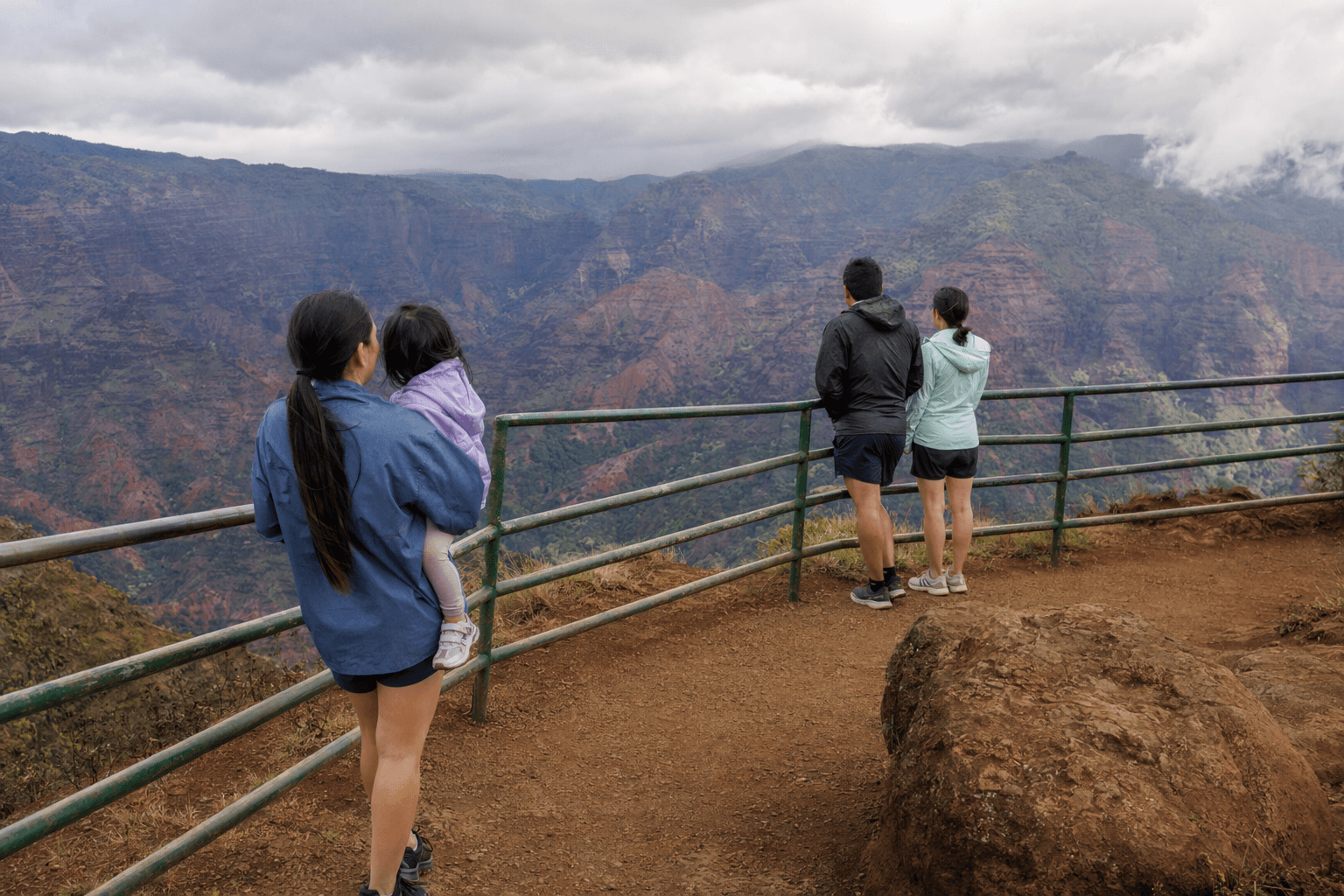
The spending package approved about 90 projects totaling $129 million, but roughly 40 percent of the Green Fee Advisory Council’s recommendations were replaced or altered by lawmakers. That reshuffling matters on Kaua‘i because the island’s share is tied to places residents know well: Waimea Canyon and Kōke‘e, where state investment can affect trail upkeep, overlook conditions, road access, visitor pressure and stewardship of heavily used public lands, and West Kaua‘i, where water reliability and emergency readiness have long been recurring concerns.
The Green Fee was enacted as Act 96 when Gov. Josh Green signed Senate Bill 1396 on May 27, 2025. It raised Hawai‘i’s transient accommodations tax from 10.25 percent to 11 percent starting January 1, 2026, and it also extended the charge to cruise ships and short-term stays, including stays by local residents. State officials initially estimated the fee could bring in about $100 million a year, with later projections suggesting about $120 million if cruise-ship collections hold or about $100 million if the industry wins its legal challenge.
The program was designed to split revenue into three equal parts: environmental stewardship, climate and hazard resilience, and sustainable tourism. Before lawmakers redid the spending list, the advisory council had been asked to sort through more than $2 billion in requests from more than 600 applicants, a sign of how much demand exists statewide for conservation, disaster preparation and visitor-management funding. The council also recommended $1.5 million for tracking and publicizing how the Green Fee money is spent.
Jeff Mikulina, who chairs the advisory council, said many of the legislative additions did not line up with the program’s original conservation and resilience goals. Senate Ways and Means chair Donovan Dela Cruz countered that some projects were not ready to spend money quickly and that others fit better in the state’s regular grant process. That tension over control is now at the heart of the Green Fee debate: whether it remains a dedicated climate-and-tourism mitigation tool, or becomes a more flexible pot lawmakers can steer toward broader priorities.
For Kaua‘i, the answer will show up in places people can see and use. The road to Waimea Canyon, the trails and overlooks at Kōke‘e, and the water systems serving West Kaua‘i are all the kind of daily infrastructure and public assets that can turn a budget line into a visible change on the ground.
This article was produced by Prism’s automated news system from verified source data, official records, and press releases, then run through automated quality and moderation checks before publishing. The system is built and supervised by the people who set the standards it runs under. Read our full AI policy.
Did this article answer your question?