Kauai woman finds second chance through KCC carpentry program
A former inmate's path through KCC carpentry shows how tuition help, mentoring and hands-on training can turn reentry into steady work and ownership.
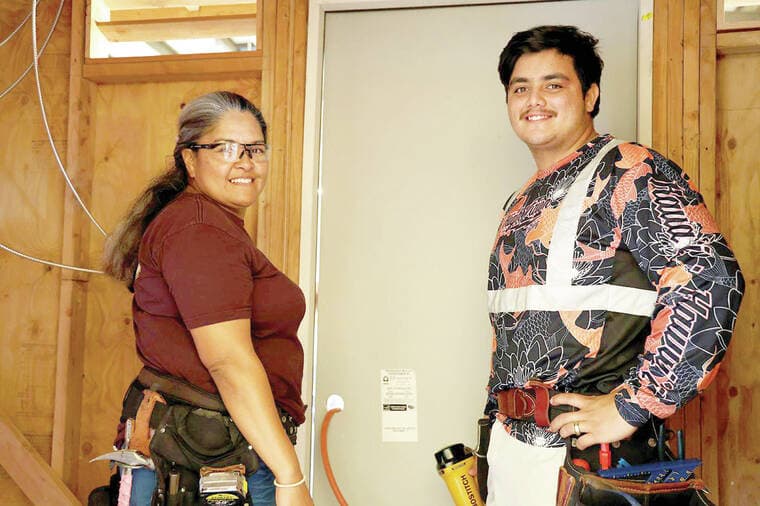
A second chance built in Puhi
Crystal Santos did not come back to school for a fresh start. She came back because she knew her life was headed the wrong way and needed something concrete to change it. At 45, after 29 years out of school and following incarceration, she enrolled in a carpentry micro-credential course at Kauai Community College in 2024 and found a path that felt practical, steady, and real.
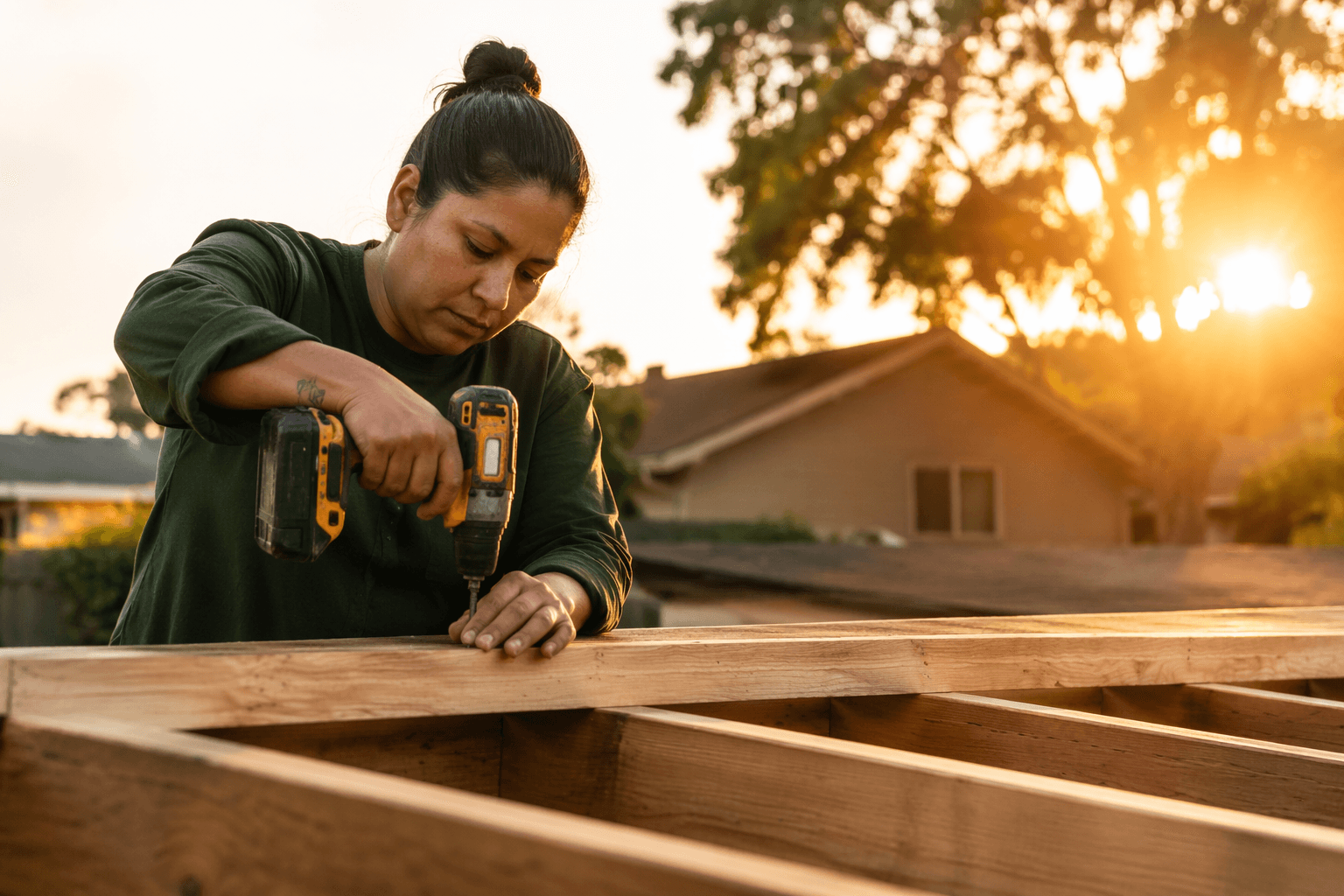
Her story matters on Kauai because it shows what happens when a community college does more than hand out a certificate. Santos says she was nervous and intimidated at first, especially around younger students, but once she got to KCC, support started to appear in ways that made school feel possible rather than punishing. For residents trying to rebuild after incarceration, that difference can determine whether reentry leads to a paycheck or a dead end.
What KCC’s carpentry pathway can actually lead to
Kauai Community College’s Carpentry Technology program is not just a short-term workshop. The program is designed to teach entry-level building-construction skills, and it leads to an Associate in Applied Science degree, a Certificate of Achievement, and a Certificate of Competence in Facilities Maintenance Technology. That structure gives students more than one exit ramp into work, which matters for adults who cannot afford to gamble on education that does not translate into a job.
Santos says the coursework gave her more than she expected. The University of Hawaii says the civil engineering technology parts of the carpentry program had the biggest effect on her professional growth, which suggests the program is doing more than teaching how to frame walls or handle tools. It is building technical confidence, the kind that can carry a student from entry-level work toward supervision, self-employment, or a more specialized trade path.
How Waialeale removes some of the barriers
The turning point in Santos’ return to school was not only the classroom. Kauai Community College’s Waialeale Project, funded by donors and community foundations, can help eligible Kauai and Niihau residents take classes for free and receive academic support. The college says the project is meant to help students take a few classes or complete an entire academic program that leads to certificates and associate degrees.
That support matters because the barriers Santos faced were not abstract. Coming back after nearly three decades away from school, and doing it after incarceration, meant she needed encouragement, guidance, and a way to pay for classes. The Waialeale model does what many systems promise but do not deliver: it pairs affordability with human support, so students are not left to navigate school alone while also rebuilding their lives.
For Kauai, that is a social equity issue as much as an education issue. Adults returning from incarceration often need a bridge across several gaps at once, including cost, confidence, academic readiness, and a clean path into work. A program that covers tuition for eligible residents and adds support services does not erase those barriers, but it lowers them enough for some people to walk through.
Why this matters for workforce and reentry
The University of Hawaii frames its community colleges as affordable, accessible, and flexible, with degrees, workforce training, and non-credit programs across seven campuses. It also says its workforce training focuses on high-demand, high-growth industries and credentials that have value. Santos’ story shows why that language matters on the ground: the point is not education for its own sake, but a realistic route from instability into employment and, eventually, ownership.
That route is especially important in the trades, where Santos’ own experience reflects a changing labor market. She says that when she first worked in construction in her early 20s, she was often the only woman on the job site. She now sees more women entering the field, which makes her journey part of a larger shift toward a workforce that looks more like the community it serves.
Her path also underscores what still blocks reentry on Kauai. A former inmate returning to school after 29 years is not just facing a class schedule. She is confronting the weight of lost time, the stigma of a criminal record, and the challenge of starting over in a county where stable, skilled jobs are not always easy to reach without training. Programs like KCC’s work because they treat reentry as an employment and education problem, not only a personal one.
A campus program with visible local value
The carpentry program is not only helping students. Kauai Community College has also used it for campus improvement work, including helping expand the campus apiary in 2024. University of Hawaii said that project could help bee production and queen bee breeding double in size, which shows how training can feed back into the college itself and into practical sustainability work.
That kind of applied learning is one reason community college programs can be especially powerful on an island like Kauai. Students are not just studying a trade in the abstract. They are contributing to projects that improve the campus, strengthen technical skills, and connect classroom learning to visible results that benefit the broader community.
From student to entrepreneur
Santos is not stopping at carpentry. She plans to graduate in May 2026 with an associate in science degree in carpentry technology, then pursue another associate degree in entrepreneurial business at Kauai Community College. Her long-term goal is even more ambitious: earn a commercial driver’s license through Leeward Community College and open a heavy hauling business.
That laddered plan is exactly why her story stands out as a model. It shows how one credential can lead to another, and how a trade program can become the foundation for business ownership rather than just hourly labor. For employers and policymakers, the lesson is straightforward: when training, academic support, and clear next steps are built together, community college can do what punishment and short-term help often fail to do.
The timing makes the message harder to ignore. Santos’ story appeared just days before Kauai Community College’s 61st commencement on May 15, 2026, an event that drew more than 1,200 people, while spring commencements across the University of Hawaii system ran from May 9 through May 16. In a year when more students are crossing that stage, Santos’ path shows what completion can mean when a college is built to support people who need a second start, not just a second chance.
This article was produced by Prism’s automated news system from verified source data, official records, and press releases, then run through automated quality and moderation checks before publishing. The system is built and supervised by the people who set the standards it runs under. Read our full AI policy.
Did this article answer your question?