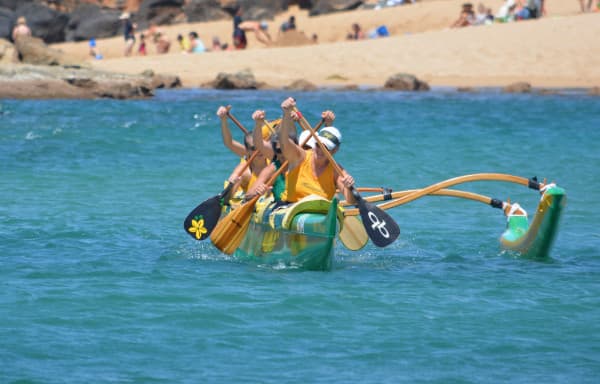
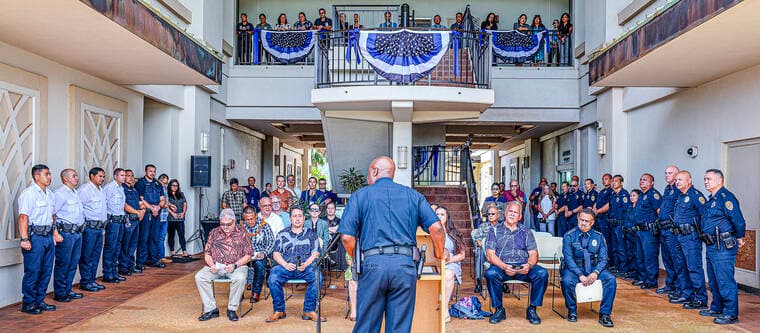
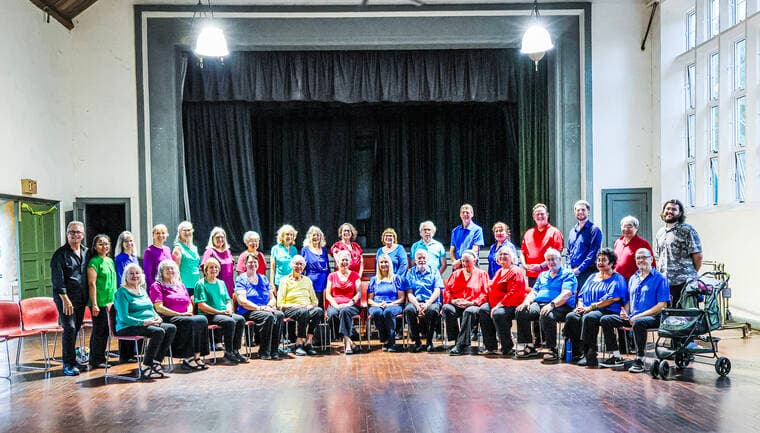
Kaua‘i’s 2025 Year in Pictures Highlights Resilience, Risks
A photography-driven review of 2025 chronicled major storms, public-safety upgrades, civic actions and cultural life across Kaua‘i, underscoring community resilience and persistent gaps in infrastructure and equity. The events, from January flooding to November shark sightings, carry immediate public health and policy implications for emergency preparedness, housing stability and coastal safety.
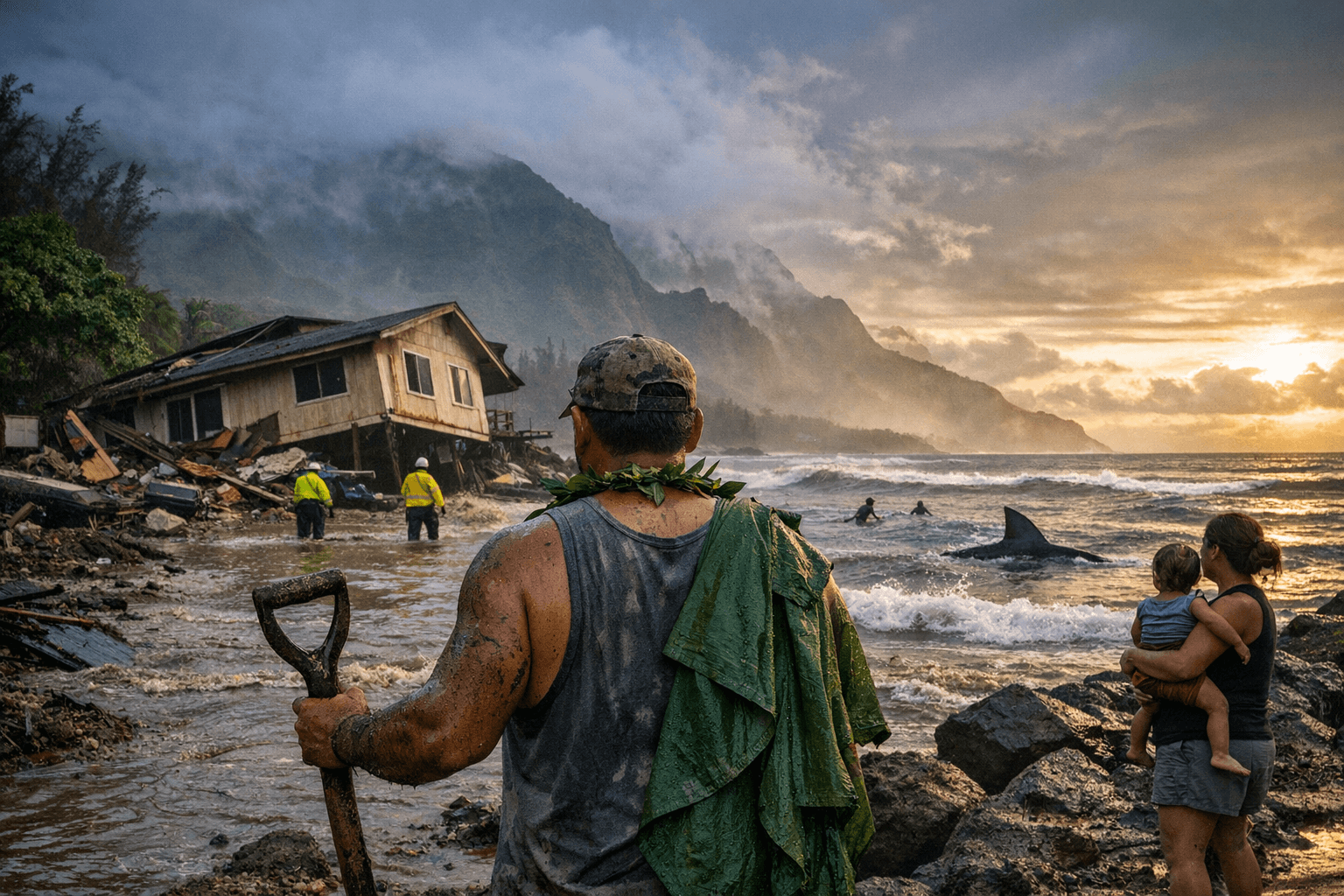
The year 2025 tested Kaua‘i’s emergency systems, community networks and cultural continuity. Winter storms and flooding in January raised urgent questions about infrastructure resilience and access to care in impacted neighborhoods. Those early-season hazards exposed vulnerabilities that reappeared throughout the year in responses to natural and marine hazards.
In February the Kaua‘i Fire Department adopted the PulsePoint Respond life-saving app, expanding the county’s tools for immediate emergency response. While the app can increase chances of timely bystander CPR and rapid intervention, its benefits depend on equitable access to smartphones, CPR training and reliable connectivity across rural parts of the island. Public health officials and community leaders will need to address those access gaps to ensure lifesaving technology reaches high-risk and hard-to-reach populations.
March brought the mayor’s State of the County address with a focus on affordable housing. Housing stability emerged repeatedly as a social determinant of health during the year: residents displaced or stressed by storms and flooding faced greater barriers to recovery and to accessing routine health services. Longstanding shortages of affordable units and recovery resources amplify inequities after disasters, highlighting the need for integrated housing and resilience policy at the county level.
Civic engagement intensified in April with protests and organized actions that reflected community priorities around land use, governance and cultural preservation. Mid-year cultural celebrations and the Poke Fest offered moments of economic and social recovery, sustaining local businesses and community ties even as tourism and event safety required careful management.
Summer brought a heavy operational tempo for search-and-rescue teams with multiple rescues and ocean-safety incidents along the Kalalau Trail and at Hanakāpī‘ai. Those responses strained volunteer and professional responders and underscored the ongoing need for public education about coastal hazards, clear trail communications and investment in emergency medical capacity.
Conservation efforts in September during fledgling season illustrated the intersection of environmental health and community stewardship, while November shark sightings prompted temporary beach closures with both public-safety and economic implications for coastal communities.
Across the year, photo-driven monthly accounts captured interagency coordination, volunteerism and cultural resilience even as systemic issues persisted: aging infrastructure, uneven access to emergency technology and housing insecurity. For Kaua‘i residents, the public health takeaway is clear, preparedness must pair technological and operational upgrades with policies that reduce inequities, expand training and shore up housing and healthcare access so that the island’s communities can recover more equitably from the hazards they face.
Know something we missed? Have a correction or additional information?
Submit a Tip