Measles Virus Detected in East Kauai Wastewater, Health Officials Monitoring
Measles virus genetic material was found in East Kauai wastewater collected Feb. 25, though state health officials confirm no clinical cases on Kauai in 2026.
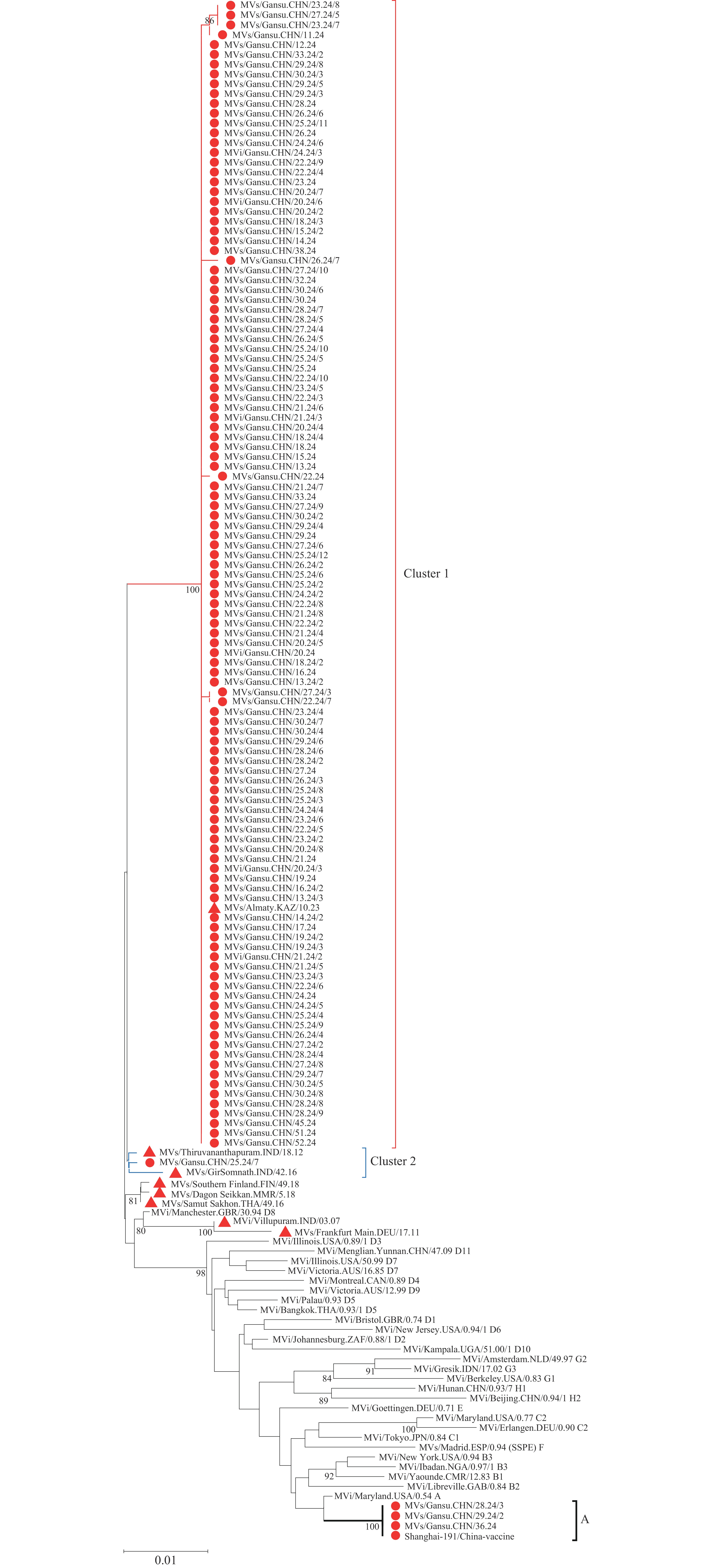
Sequencing of a wastewater sample collected at an East Kauaʻi County site on Feb. 25 identified measles virus genotype D8, the Hawaiʻi Department of Health announced March 17, though officials were quick to emphasize that no clinical measles cases have been identified on Kauaʻi this year.
The DOH was notified of the laboratory result on March 16. The detection came through advanced sequencing conducted at the University of Missouri, which analyzed the sample for bacterial and viral genetic material associated with community infections. A separate test on the same sample using digital PCR, performed by the State Laboratories Division, did not detect measles. The DOH said the discrepancy between the two methods is expected: "dPCR looks for specific targets, while sequencing can detect very small amounts of genetic material. Using both methods provides important redundancy and strengthens Hawaiʻi's ability to identify" community infection signals.
The genotype distinction carries public health significance. Genotype D strains are associated with wild-type measles infections, while the vaccine strain is genotype A. The identification of D8 indicates the genetic material did not originate from a vaccinated individual shedding vaccine virus.
Officials drew a clear line between this wastewater finding and the one confirmed measles case reported in Hawaiʻi this year. That case, reported March 7, involved a vaccinated visitor from the continental United States who traveled to Oʻahu and Hawaiʻi Island between Feb. 26 and March 4. The DOH said that patient's timeline and location do not align with the Feb. 25 Kauaʻi detection. As of March 18, the DOH confirmed to Spectrum News that there are no measles cases on Kauaʻi in 2026.
"A measles signal in wastewater does not confirm a clinical case or indicate community transmission," the DOH stated in its release. "Instead, it serves as an early indicator prompting awareness and monitoring for potential cases."
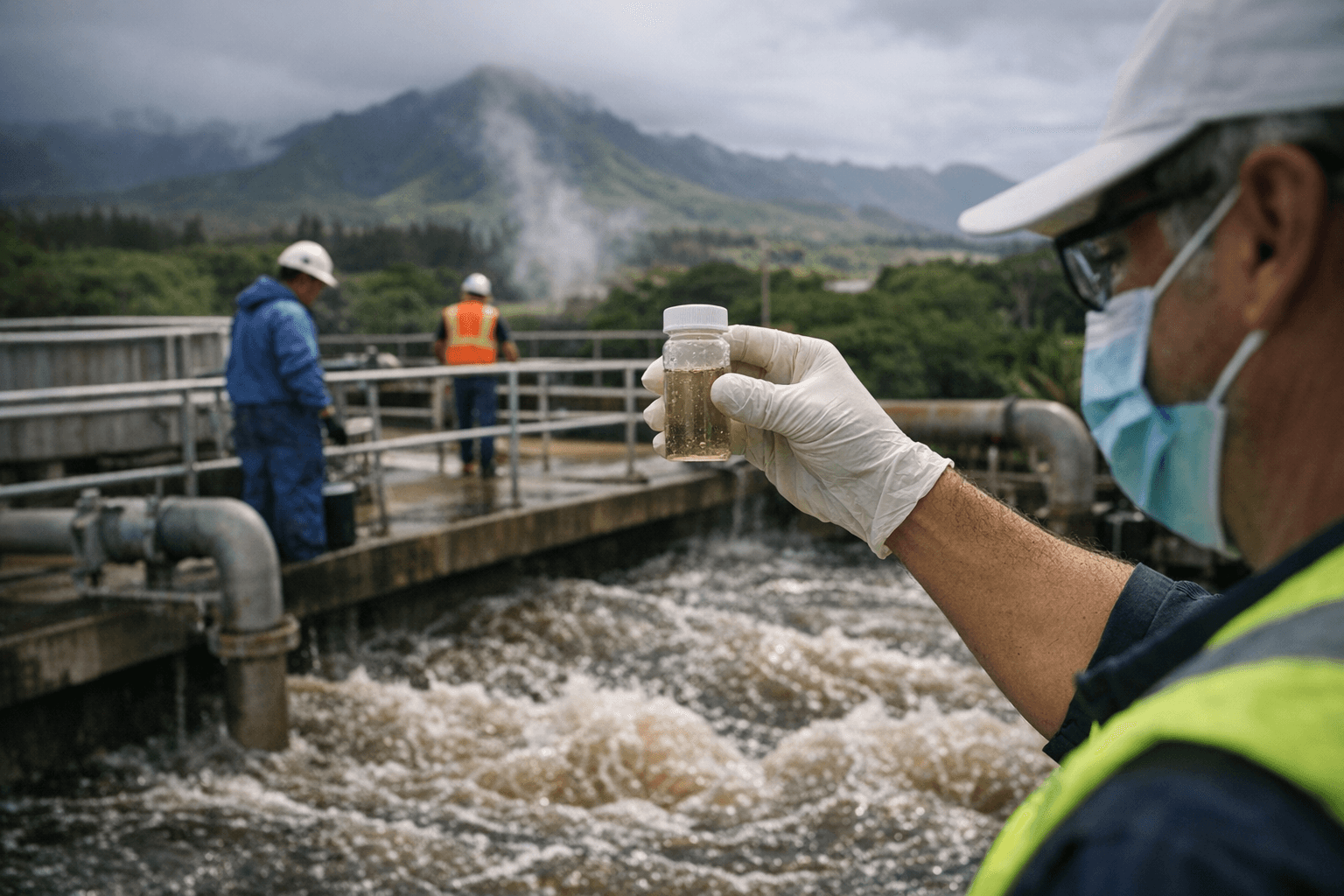
Hawaiʻi conducts weekly municipal wastewater sampling statewide as part of its infectious disease surveillance program. The sampling can identify viral genetic material shed by infected individuals before they develop symptoms or seek medical care. Beyond the State Laboratories Division and the University of Missouri partnership, the DOH also monitors measles in other Hawaiʻi counties through the National Wastewater Surveillance System and WastewaterSCAN.
Healthcare providers statewide have been notified and reminded to stay alert for patients presenting with measles-compatible symptoms: high fever, cough, runny nose, and red eyes, followed by a rash of tiny red spots beginning at the head and spreading downward. The disease can lead to pneumonia, neurological illness, and death.
The DOH is urging residents to stay current with the measles, mumps and rubella vaccine, with particular emphasis on infants under one year, who face elevated risk. As of March 12, measles was being reported across 31 U.S. states. Anyone who suspects exposure or symptoms should isolate immediately and contact a healthcare provider.
This article was produced by Prism’s automated news system from verified source data, official records, and press releases, then run through automated quality and moderation checks before publishing. The system is built and supervised by the people who set the standards it runs under. Read our full AI policy.
Did this article answer your question?