Nā Pali Access Rules, Safety Warnings and Community Impacts for Kauai
Hāʻena State Park and the Kalalau Trail now operate under strict reservation and permit requirements for day use entry, parking and overnight camping, rules that matter to residents and visitors because capacity limits are enforced and access is physically constrained. The rugged terrain and limited services along the Nā Pali Coast create public health and safety risks, and the system of permits raises equity and community concerns about emergency response, cultural access and local transportation.
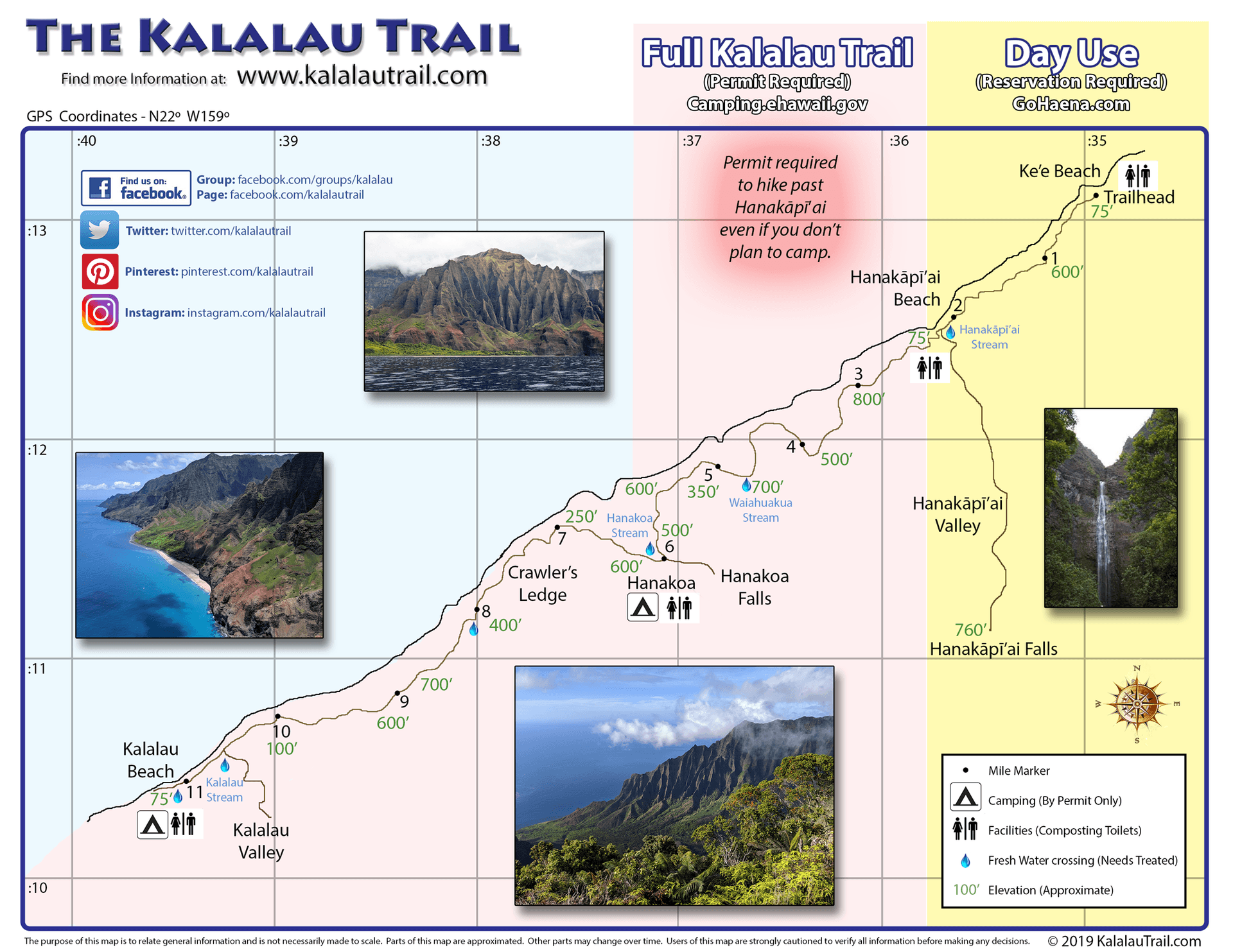
Hāʻena State Park, Kēʻē Beach and the Kalalau Trail make up some of Kauai County's most visited and ecologically fragile coastal wilderness. With no road access to much of the Nā Pali interior, the Kalalau Trail from Kēʻē Beach remains the primary land route. Park managers require day use entry and parking reservations at the trailhead, and they require separate camping permits for overnight stays beyond Hanakāpīʻai. Officials advise visitors to check official reservation pages before travel because spaces fill quickly and limits are enforced.
The Kalalau Trail presents significant natural hazards. The route stretches 11 miles one way to Kalalau Beach and includes steep sections, narrow ledges and multiple stream crossings. Hanakāpīʻai Stream crossings can become life threatening in high water, and hikers are advised to turn back when streams are high and to monitor weather and stream conditions closely. Winter months bring larger surf and stronger currents, and ocean entries at Nā Pali beaches can be dangerous because there are no lifeguards. Services along the trail are limited, so visitors must pack it in, pack it out.
These access rules and natural risks carry direct public health implications for Kauai. Limited access and difficult terrain can complicate emergency response and prolong the time it takes for medical aid to reach injured people. The physical demands of the trail increase the likelihood of traumatic injuries and dehydration, and the lack of cell service can delay help. The reservation system and parking limits also have community consequences. Locals may compete with visitors for a limited number of permits, and transportation bottlenecks strain neighborhood streets and parking. Equity concerns center on fair access for residents, kamaʻāina and Native Hawaiian practitioners who maintain cultural ties to these places.

Residents and visitors should plan ahead. Reserve day use entry, parking and camping permits well in advance, consider authorized shuttle and park and ride services to reduce parking pressure, carry sufficient water, a first aid kit and proper footwear, and be prepared for limited or no cell service. For current conditions, reservation instructions and park rules use the Hāʻena reservation system and official visitor pages at . Community leaders and health officials say strengthening shuttle options, improving public safety information and ensuring equitable permit access can reduce rescue demand and protect both people and the fragile Nā Pali landscape.
Know something we missed? Have a correction or additional information?
Submit a Tip