Permits, Safety and Camping Rules for Nāpali Coast Kalalau Trail
If you plan to camp on the Kalalau Trail, reserve park entry and secure a Na Pali Coast camping permit (permits available up to 90 days ahead); plan water, toilets, and weather-safe travel.
1. Why rules and permits exist
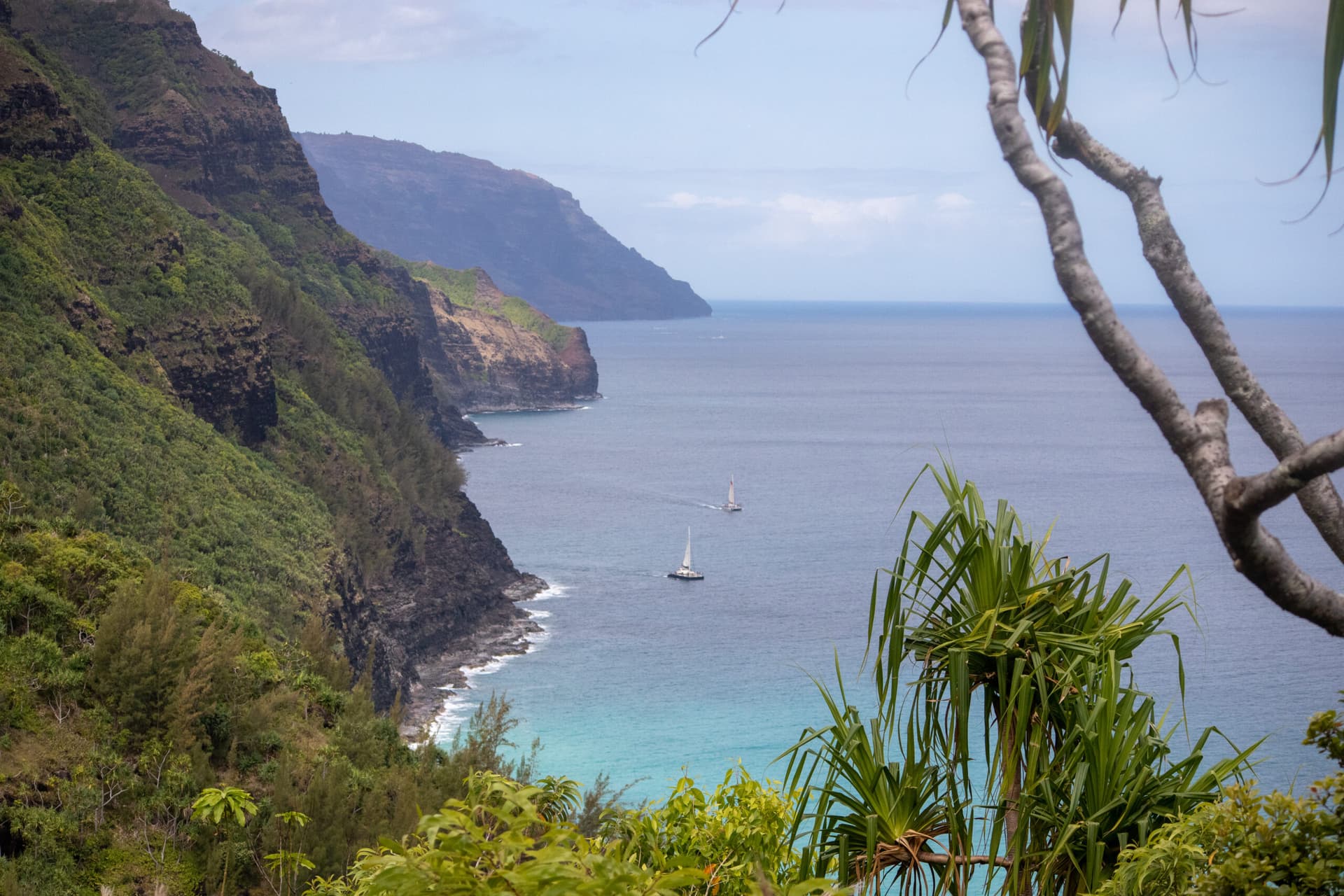
Nāpali Coast State Park “is one of the most special places in Hawai’i. Its natural beauty and mystique make it one of the most popular and heavily used wilderness areas in the State.” Division of State Parks policy reflects that pressure: “The heavy demand for a limited number of camping permits has created the need for a special set of provisions regulating use of this park.” Those provisions are intended to reduce overcrowding, protect fragile ecosystems, and limit rescue burdens on Kauaʻi first responders.
2. Who needs a reservation vs. a camping permit
Everyone who enters the park must hold a reservation; however, “only campers need permits (to stay overnight).” If you are hiking the Kalalau Trail as a day visitor you still must follow the entry reservation rules. If you intend to stay overnight, camping at Kalalau Valley or Hanakoa Valley, you must obtain a Na Pali Coast camping permit before you arrive.
3. How to obtain a camping permit, step-by-step (Kayakkauai sequence)
1. Determine your camping dates: Permits are available up to 90 days in advance; plan early because “reservations run out fast.”
2. Access the reservation system: use the state’s Hawaii Camping Reservation System (the official state camping portal) or the platform referenced by State Parks.
3. Create an account: first-time users must register to proceed with bookings.
4. Select Na Pali Coast State Wilderness Park: permits are issued specifically for Kalalau Valley and also allow camping at Hanakoa Valley (Hanakoa is not reachable by sea kayak).
5. Choose your dates and group size: complete the booking flow in the portal and secure your permit before travel.
These steps follow Kayakkauai’s guidance; note there is a documented discrepancy between the State Parks instruction (referencing Explore Outdoor Hawaiʻi) and other sources that mention the state camping portal, verify the active portal before you book.
4. Booking window and reservation fees
Permits are available up to 90 days in advance, so set a calendar reminder for your preferred window. Shakaguide states that “Reservations cost $5 per vehicle or $1 per pedestrian if you’re taking the shuttle in,” but the supplied sources do not list an overnight camping fee; confirm current permit fees, transaction fees, and refund/cancellation rules with Division of State Parks before payment.
5. What a Na Pali camping permit covers and access through Haena
Camping permits are issued specifically for Kalalau Valley and also allow camping at Hanakoa Valley; Kayakkauai notes that “A valid Na Pali Coast camping permit grants you access to Haena State Park without needing a separate entry reservation.” That means your Kalalau permit should serve as your Haena entry credential for accessing the trailhead, but confirm on the official State Parks site that this policy remains current.
6. Campsite facilities: water, toilets, trash and cell service
There are no potable water sources, trash services, or cell phone coverage in Na Pali Coast State Wilderness Park, plan accordingly. Kayakkauai emphasizes stream-water treatment: “There are fresh springs along the trail, but always treat water.” Composting toilets “are available at Hanakapiai, Hanakoa, Kalalau, Nualolo Kai, and Milolii,” but pack out all trash and expect no trash collection at campsites.
7. How to treat water safely (concrete guidance)
Kayakkauai’s guidance is explicit: “Chemical treatments (like iodine) are most effective. Filters may not remove all bacteria. Boiling water is always safe.” For public‑health safety on the trail, bring sufficient chemical treatment tablets and/or a reliable stove to boil water; do not rely solely on a filter if you need to guard against bacteria and protozoa.
8. Trail safety and conditions you must check
“The Kalalau Trail is challenging and can be dangerous, especially during adverse weather conditions. Ensure you’re well-prepared and check current trail conditions before embarking on your journey,” Kayakkauai warns, and State Parks posts an IMPORTANT PARK NOTICE: “⚠️Monitor weather reports and ocean conditions before your park visit.” Heavy rain, stream swells, and surf at beach crossings can turn a hike into a rescue incident, avoid travel during saturated-road or storm advisories and carry a plan for safe retreat.

9. Stewardship, wildlife and behavior rules on the trail
Shakaguide stresses stewardship: “While hiking through the Na Pali Coast State Wilderness park, please be respectful of the land, animals and plant species you come across. Hawaii's ecosystems are fragile. You can show your aloha by leaving the trail better than you found it. Always dispose of your trash properly and never trespass on private property.” For marine encounters Shakaguide adds that you may see green sea turtles, monk seals, and dolphins; do not touch or harass wildlife, disturbance affects health and population dynamics.
10. Commercial operators and kayak rules, current DLNR notice
A Division of State Parks notice dated 2/10/26 directs that “All commercial kayak operators must apply for a Rental Vessel Special Use Permit – Commercial Application, each kayak vessel requires a registered decal. Visit State Parks Permits page here and download and mail in the Rental Vessel Special Use Permit – Commercial Application.” That notice explicitly listed Wailua River State Park, Ahupuaʻa ʻO Kahana, and Kealakekua Bay; the DLNR excerpt did not explicitly list Nāpali Coast in that same notice, so if you are a vendor or planning to book a commercial sea-based trip, verify whether Na Pali commercial operations require the same permit and decal.
11. Recent State Parks notices that affect planning
Division of State Parks updates include: “UPDATE – 12/12/25: Camping - Reservations for February 1, 2026 and beyond available at , please create an account on Explore Outdoor Hawaiʻi to make a camping reservation.” Other statewide notices included temporary closures and permit-account processing delays (for example, Kaʻena Point vehicle access permits and an ʻĪao Valley temporary closure). Because conditions and online portals change, check the latest State Parks notices before your trip.
- Plenty of water and treatment (iodine tablets or stove for boiling)
- Sturdy hiking shoes, rain gear, and sun protection
- Tent, sleeping bag, and a printed copy of your permit
- All trash bags to pack out waste and hand sanitizer for hygiene
12. What to pack, essentials grounded in the sources
Shakaguide lists essentials: “Campers should remember to bring plenty of water since there is no potable water at either campsite. You’ll also want hiking shoes, sunscreen, a tent and sleeping bag, food, and a copy of your camping permit.” Add chemical water treatment or stove/boil capacity per Kayakkauai’s water guidance, and carry a printed permit and emergency contact information since there’s no reliable cell coverage. Suggested checklist bullets:
13. Verification points and practical next steps before you go
There are known discrepancies in the excerpts: DLNR’s 12/12/25 update references Explore Outdoor Hawaiʻi while Kayakkauai references the Hawaii Camping Reservation System; confirm which portal is currently active for Na Pali camping reservations. Also verify overnight camping fees (none were supplied in the excerpts), whether a Kalalau permit covers Haena entry (Kayakkauai says it does), and whether the 2/10/26 commercial kayak permit rules extend to Na Pali. These verifications are essential because permit platform, fee and operational notices change and directly affect access and equity for residents and visitors.
Conclusion The Na Pali Coast remains a treasured and tightly managed wilderness: “the heavy demand for a limited number of camping permits” means you must plan early, secure the correct permit, and travel with public-health precautions, treat your water, pack out trash, and respect wildlife and private property. Monitor Division of State Parks notices, confirm the active reservation portal and fees, and make your booking within the 90‑day window so you can experience Kalalau safely and without adding strain to Kauaʻi’s emergency and conservation systems.
Know something we missed? Have a correction or additional information?
Submit a Tip