Police identify third victim in fatal Kalalau Beach helicopter crash
Kauaʻi police identified Oksana Pihol, 40, as the third fatality from the March 26 Kalalau Beach helicopter crash; two survivors were taken to Wilcox Medical Center.
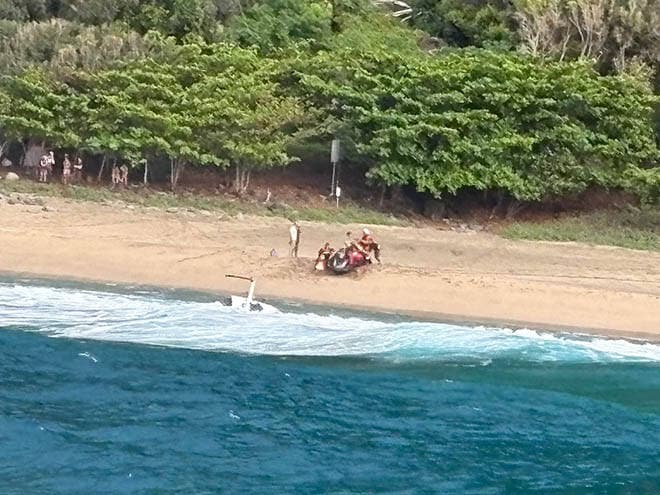
Kauaʻi Police Department on April 6 identified the third person killed when an Airborne Aviation tour helicopter crash-landed off Kalalau Beach on March 26 as 40-year-old Oksana Pihol, a Ukrainian national. Kauaʻi Police Dispatch received a text-to-911 at about 3:45 p.m. reporting the helicopter in the water; county updates say the Hughes OH-6 type aircraft carried one pilot and four passengers, producing three fatalities and two people flown to Wilcox Medical Center for treatment.
The National Transportation Safety Board has opened a federal investigation and is leading a multi-agency response that includes the FAA and local partners. Investigators will concentrate on flight path and navigation data, the pilot’s training and recent experience, aircraft maintenance and inspection logs, weight-and-balance calculations for that flight, on-scene wreckage examination, autopsies and toxicology, and witness and survivor interviews taken on Kalalau Beach. Local first responders credited Kauaʻi Ocean Safety personnel, Kauaʻi Fire Department crews and good Samaritans with assisting at the remote scene.
Plain-English timeline: the NTSB typically publishes an initial factual listing quickly, and it can post preliminary factual information within days to a few weeks after an accident, while the formal probable-cause determination and safety recommendations usually take many months to more than a year. The NTSB’s public materials note that investigators assemble evidence methodically, and that complex air-tour investigations often require 12 to 24 months to reach final findings. Families and industry stakeholders should expect early factual updates first and deeper causal analysis later.
Safety context on Kauaʻi and the Nā Pali Coast is acute: Honolulu Civil Beat tallied this crash as the 13th fatal helicopter accident in Hawaiʻi over 25 years, with 51 deaths in helicopter crashes since 2000 and nine of those 13 fatal accidents occurring on Kauaʻi. The island’s terrain, including the Nā Pali cliffs that generate turbulent air and rapid weather shifts, has been a factor in prior accidents, including the Dec. 26, 2019 Safari Aviation crash near Kekaha that investigators found involved an encounter with instrument meteorological conditions. Those precedents frame the NTSB’s attention to weather decision-making on coastal tour routes.
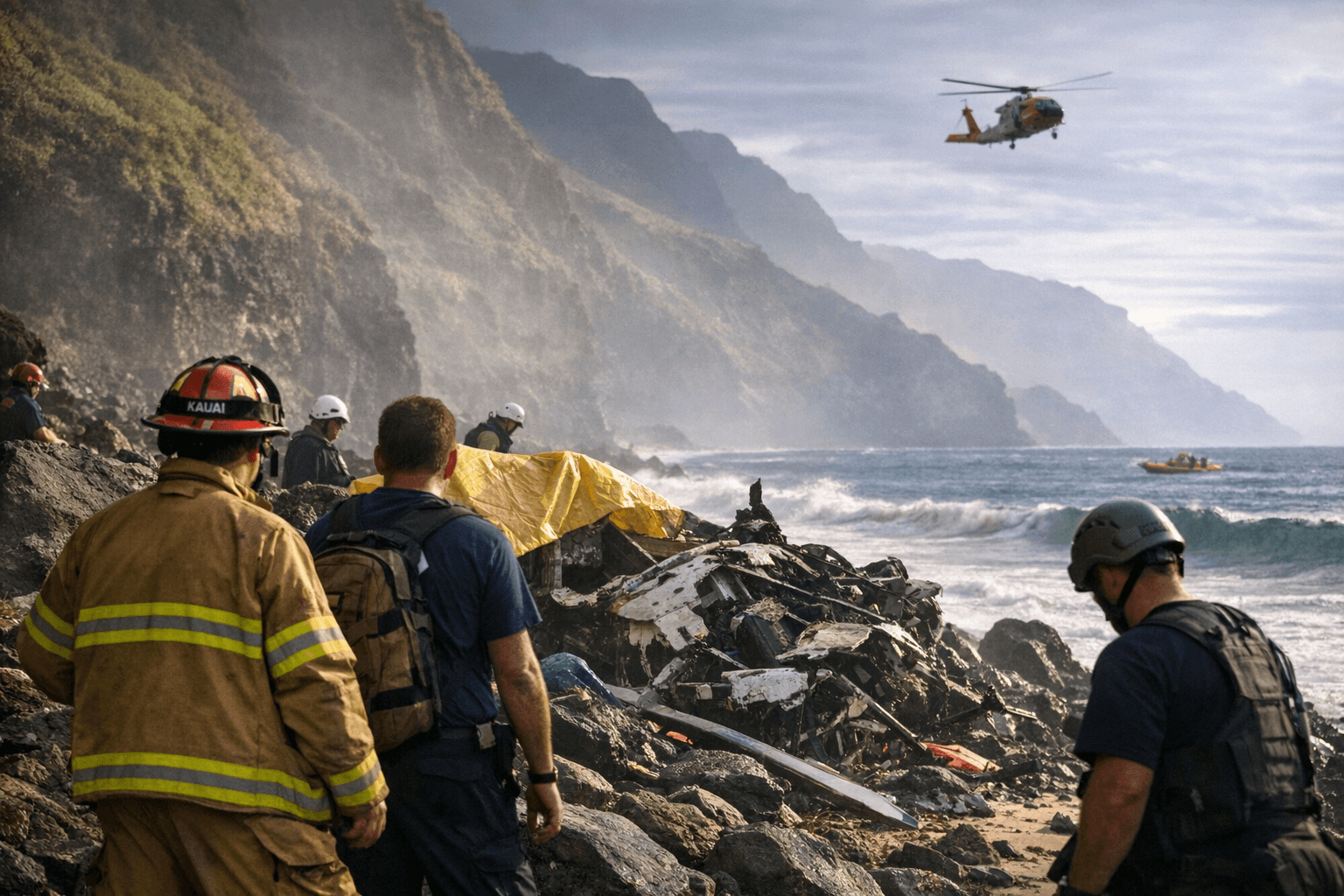
Airborne Aviation has suspended the affected tour operations pending the investigation and issued a public condolence, saying it was "deeply saddened" by the loss. The company’s publicly stated FAA certifications include Part 135 operations and OAS credentials, which establishes the regulatory category of the operator while investigators examine maintenance records and company flight-following procedures. The suspension will have immediate local effects at Princeville Airport and among tour crews; lawmakers at state and federal levels have previously pressed for more oversight of the air-tour sector on Kauaʻi.
How families and witnesses can provide information to investigators: preserve any photos or videos with original timestamps and device data; note exact times, locations and your vantage point on the Kalalau shoreline or cliffs; and report that material to the Kauaʻi Police Department investigative unit and to the NTSB investigator-in-charge assigned to the Kalalau probe so it can be logged as potential evidence. Survivor and witness interviews will be central to reconstructing the flight’s final minutes; handing over raw files and written statements promptly helps preserve perishable evidence.
The NTSB inquiry will determine whether recommendations follow for aircraft inspection protocols, pilot dispatch and weather-go/no-go rules on Nā Pali routes, or for changes to federal oversight of air-tour operators. Those recommendations will shape whether tour suspensions become a short pause or trigger longer regulatory and industry changes affecting visitor confidence and the island economy. The next public steps are the NTSB’s early factual releases and scheduled briefings as the federal probe gathers flight data, maintenance logs and witness testimony.
This article was produced by Prism’s automated news system from verified source data, official records, and press releases, then run through automated quality and moderation checks before publishing. The system is built and supervised by the people who set the standards it runs under. Read our full AI policy.
Did this article answer your question?