Princeville Moʻolelo Jan. 20: Mōlī Albatross Talk by Hob Osterlund
A free Princeville Community Center lecture on Jan. 20 highlighted the mōlī (Laysan albatross) and why protecting nesting birds in North Shore neighborhoods matters for community safety, coastal health, and local policy.
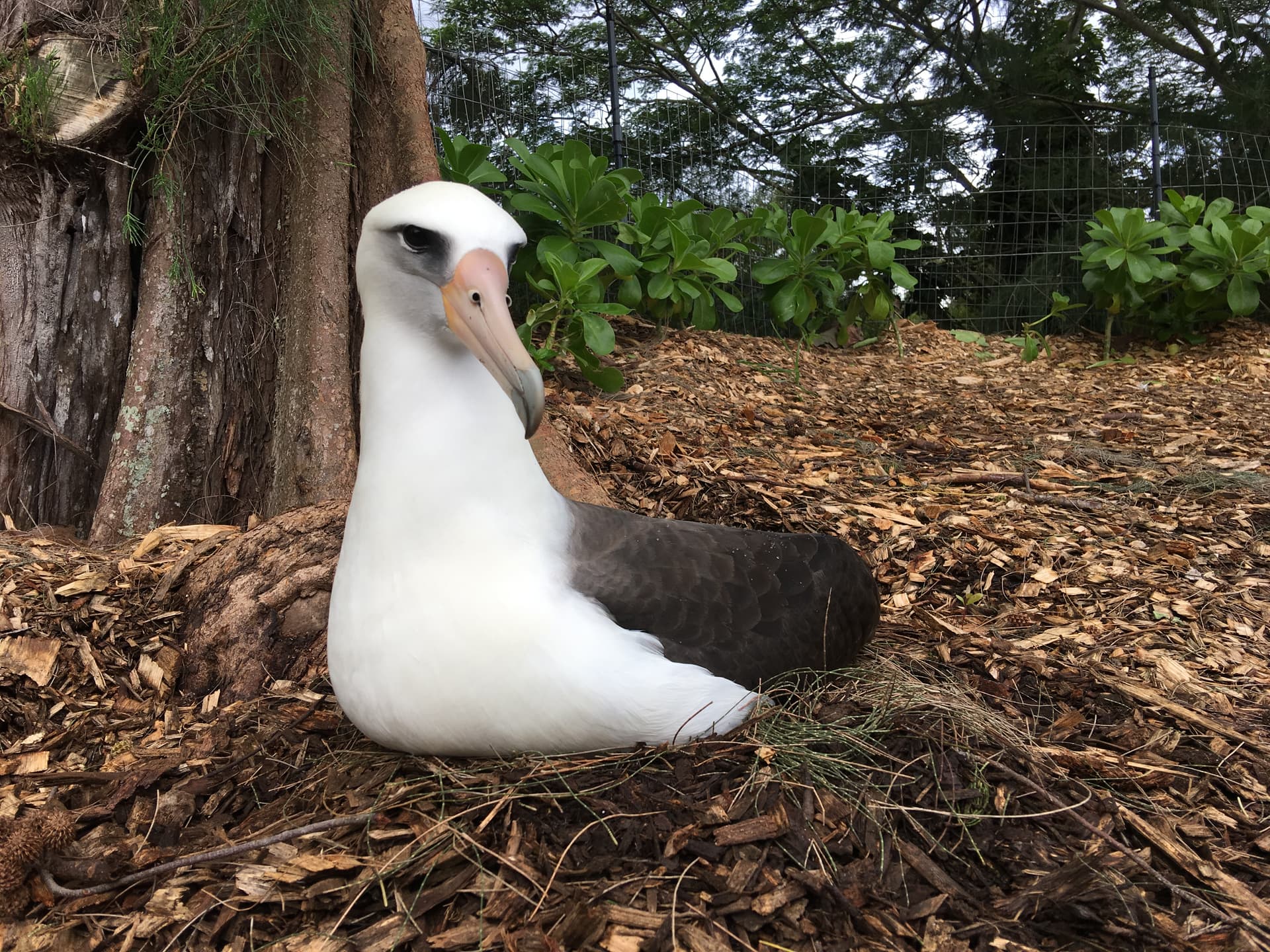
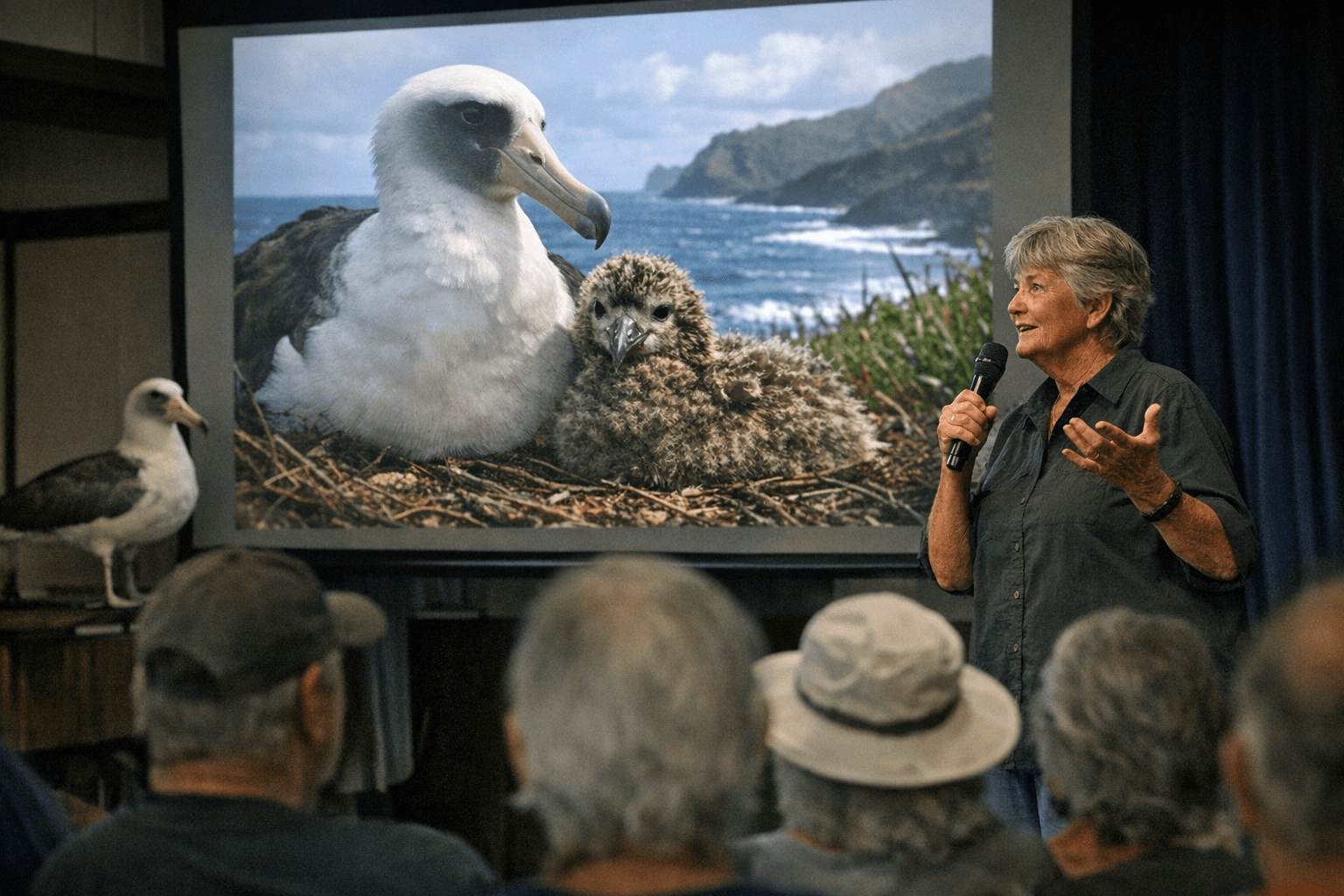
Residents and online viewers gathered for a free Princeville Moʻolelo lecture on Jan. 20 to hear Hob Osterlund, founder of the Kauaʻi Albatross Network, present photographs and stories about the mōlī (Laysan albatross) that nest within Kauaʻi’s North Shore community. The event at Princeville Community Center, 4334 Emmalani Dr, ran from 5:00 pm to 6:30 pm and was offered via Zoom, making the program accessible to people who could not attend in person.
The presentation was part of the Friends of Kauaʻi Wildlife Refuges Princeville Moʻolelo lecture series, an ongoing effort by the nonprofit to combine conservation education with community engagement. Friends of Kauaʻi Wildlife Refuges has focused on habitat protection, public outreach, and volunteer stewardship across island refuges; bringing the mōlī into a community forum highlighted how wildlife conservation and everyday life intersect on the North Shore.
The local significance of the talk lies in the mōlī’s unusual position as a large seabird nesting amid houses, roads, and resort areas. Osterlund’s photos and accounts emphasized that these birds confront threats that are driven by human activity, including marine debris ingestion and disorientation from artificial lighting. Those issues resonate beyond wildlife biology because plastic pollution, unshielded coastal lighting, and unsecured trash have public health and community planning implications. Reducing marine debris supports fisheries and coastal ecosystems, while responsible lighting and pet control reduce hazards to birds and risks to residents during nocturnal wildlife movements.
Offering the lecture free and over Zoom also carried equity implications. Free admission removed economic barriers, and the remote option extended access to kūpuna, families, and residents across the island who face transportation, work, or caregiving constraints. Educational programming that is both low-cost and digitally available can strengthen community ties to conservation while lowering participation gaps that often leave marginalized voices out of local environmental conversations.
The Princeville presentation underscores practical policy levers at the county and neighborhood levels: lighting ordinances that aim to reduce nighttime attraction of seabirds, stronger waste-management practices to cut plastic at the source, and clear leash and pet policies near nesting areas. Community science and volunteer opportunities coordinated by groups like the Kauaʻi Albatross Network and Friends of Kauaʻi Wildlife Refuges can translate public interest into on-the-ground action and data that inform those policy choices.
For readers who want to learn more or get involved, Friends of Kauaʻi Wildlife Refuges posts details about the Princeville Moʻolelo series and upcoming programs at kauairefuges.org/princeville-moolelo. Continued public engagement on these topics will shape whether the North Shore remains a place where people and mōlī can coexist safely and sustainably.
Know something we missed? Have a correction or additional information?
Submit a Tip