Salvation Army Delivers Thousands of Angel Tree Gifts Across Kaua‘i
The Salvation Army Hawaiian and Pacific Islands Division distributed Angel Tree gifts to thousands of children and elders across Hawai‘i in mid December, with local Kaua‘i corps meeting sharply increased need. On Kaua‘i the Hanapēpē Corps served 373 people, a roughly 77 percent rise from the previous year, while the Līhuʻe Corps distributed gifts to more than 1,000 youth and kūpuna, highlighting gaps in the local safety net and ongoing needs for support.
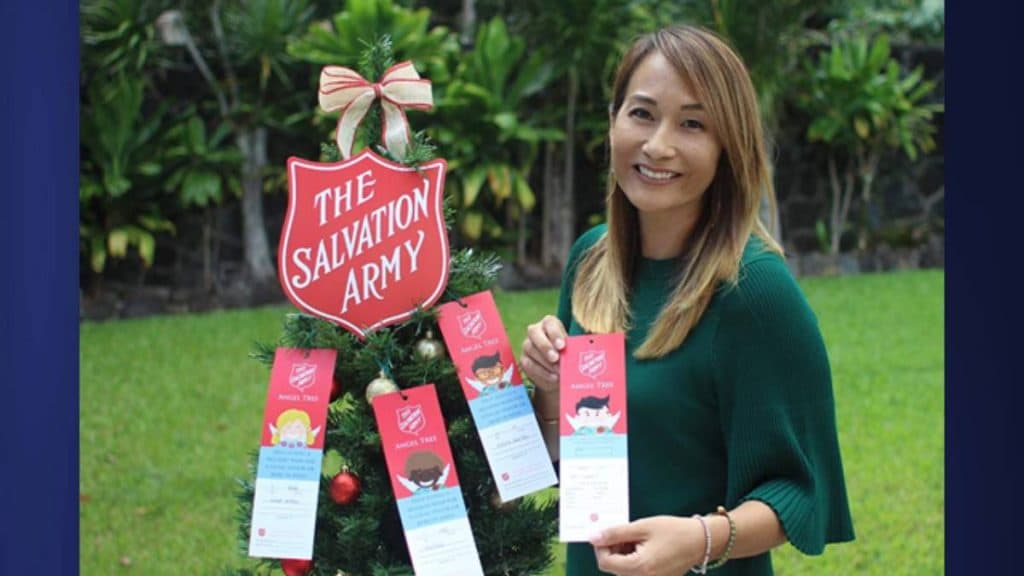
The Salvation Army’s Hawaiian and Pacific Islands Division ran a large scale Angel Tree distribution in mid December, reaching thousands of keiki and kūpuna across the state and mounting significant operations on Kaua‘i. On December 25, 2025 the Hanapēpē Corps reported serving 373 individuals, reflecting a roughly 77 percent increase compared with the previous year. The Līhuʻe Corps distributed gifts to over 1,000 young people and seniors, underscoring both the scale of need and the coalition of partners that stepped in to help.
Logistics on Kaua‘i involved local corps volunteers organizing donations, sorting and packaging toys and necessities, and coordinating pickup and delivery for households that could not travel. The effort included collaboration with Toys for Tots and a range of hospitality and business partners who provided donations and helped with outreach and distribution. Those partnerships filled critical gaps as demand outpaced last year’s levels.
The surge in requests points to broader social and economic pressures affecting families and elders on the island. Increased demand for holiday assistance is one visible indicator of housing instability, wage pressures, and cost of living challenges that can undermine food security and mental wellbeing. For keiki, stable access to basic items matters for development and for families it reduces acute stress during the holiday season. For kūpuna, receiving gifts can also ease social isolation and signal community care.

Community organizations and volunteers remain essential to meeting immediate needs, but these short term interventions also expose long term policy and system gaps. Strengthening affordable housing options, expanding targeted financial assistance and supporting nonprofit capacity are measures that could reduce reliance on seasonal charity to meet basic needs.
Salvation Army leaders and local partners emphasized continuing needs for donations and volunteer support to sustain year round outreach. For many Kaua‘i residents the Angel Tree distribution provided relief and connection this holiday season, while also drawing attention to persistent inequities that require sustained community and policy responses.
This article was produced by Prism’s automated news system from verified source data, official records, and press releases, then run through automated quality and moderation checks before publishing. The system is built and supervised by the people who set the standards it runs under. Read our full AI policy.
Did this article answer your question?