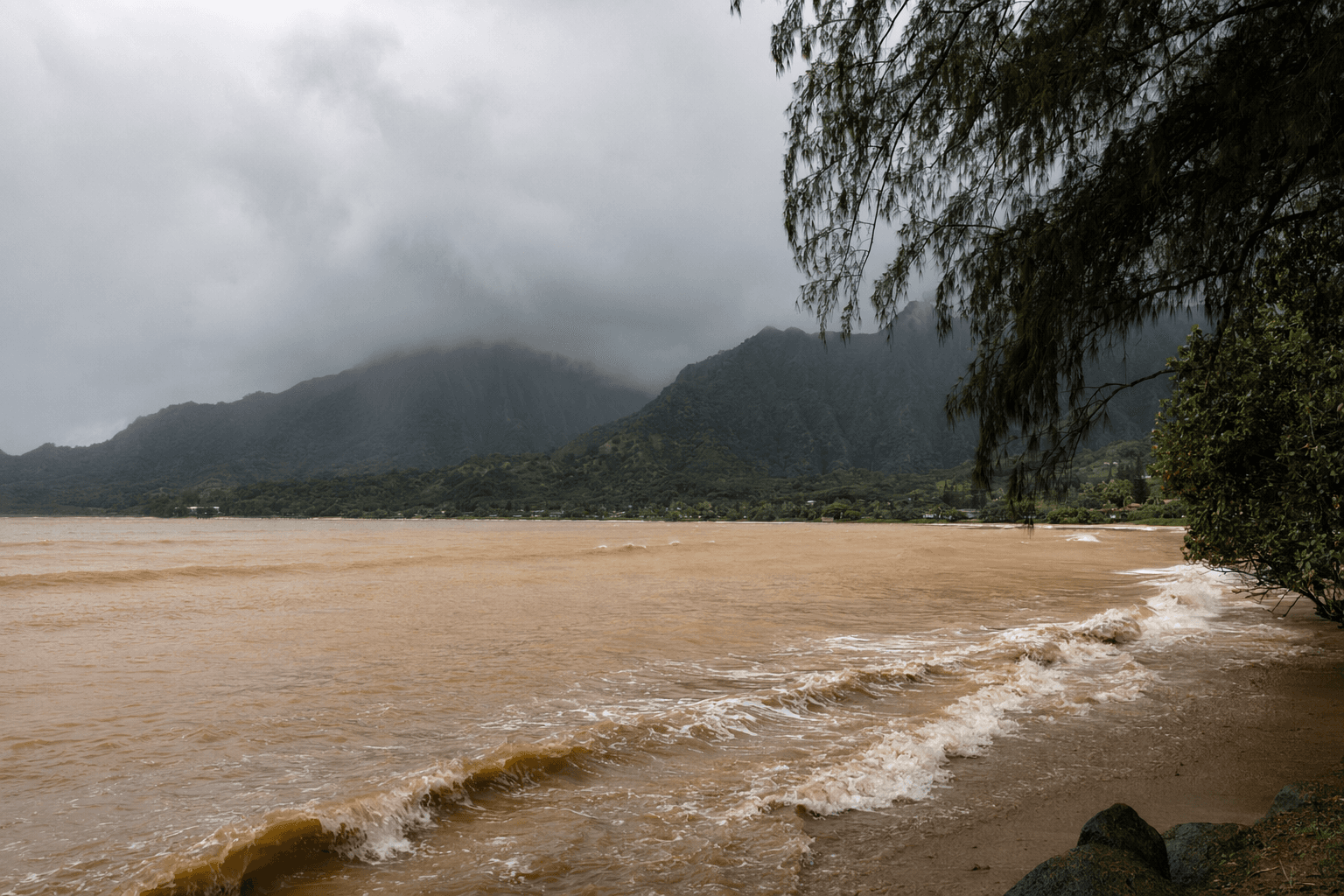
Sign Up for Kaua‘i Emergency Alerts and Prepare for Floods, High Surf
Sign up for Kaua‘i County Alerts and build a 14‑day water and home kit now, floods, high surf and power outages can disrupt water systems and communications.

1. Why sign up and why prepare now
“Kaua‘i experiences flood threats, high surf, and other rapid‑onset hazards.” That means warnings can come fast and affect water, power and access across the island. Signing up for official notifications and assembling water and home kits is “one of the best practical steps residents and visitors can take.” Use the alert system to get immediate voice, text or email notices so you know whether to conserve water, shelter in place or evacuate.
2. How to sign up for Kaua‘i County Alerts
To sign up, go to Kaua‘i County’s emergency management sign‑up page and click the “Notification Services” option to enroll in Kauai County Alerts operated by the Kauai County Emergency Management Agency (KEMA). Alerts may be sent by voice, SMS (text) and/or email; “In order to receive both text and voice alerts enter your cell phone number twice selecting the "text" option first and the "voice" option second.” Registration is free, but “normal message fees charged by your cell phone service may apply.” Remember that “Notifications are dependent upon external providers and Kauai County Emergency Management Agency cannot guarantee notifications will be received by the intended recipient.”
3. Manage your subscription and privacy settings
KEMA’s text commands let you control messages: “Text "STOP" to 69310 to unsubscribe.” “Text "HELP" to 69310 for support.” The county makes a privacy assurance: “By registering below, you will not receive unsolicited calls. Neither Kauai County, HI, nor its system vendor sells the contact number database.” Keep in mind message delivery depends on cellular and internet service; if you plan to rely on the alerts during a storm, pair them with battery radio monitoring and a household plan.
4. Water system risks and immediate consumer actions
High winds and/or flooding can interrupt power to island water sources and “Water quality and availability may be impacted.” The Kauai Department of Water urges: “Sign‑up now for Kauai County Alerts to be notified of emergency weather updates and important water service announcements.” If power goes out, “In the event of a power outage, the DOW may shut off valves and isolate tanks to reduce risk of damage and water loss.” At the first sign of system stress or official notice, “Immediately begin water conservation measures. Use water sparingly. Water should be used for essentials; cooking, drinking and sanitation. Keep toilet fl ushing to a minimum.”
5. How much water to store and how to disinfect containers
For household preparedness the DOW is explicit: “It is recommended that you store at least 1 gallon of water per person, per day for at least 14 days, for essentials.” For safe storage, follow the department’s steps: “Disinfect containers. Wash containers thoroughly, then rinse it in a mild bleach solution (one capful of liquid bleach to one gallon of water), and then rinse thoroughly.” Fill containers to the top, leaving minimal air space, use clean containers, preferably designed for water storage, and store them in a cool, dark place. Keep a battery or emergency radio on hand so you can monitor service announcements.
6. Home survival kit: what to pack and what to avoid
Prepare a home survival kit and follow the county’s household checklist: Portable radio; Extra batteries; Flashlights; Battery powered lantern(s); Matches; First Aid Kit; Medications; Ice chest; Containers of water. The county also recommends you “Stock nonperishable food items for at least a 14 day supply for the entire household. Don't forget pets.” Secure your home by locking doors and windows and “know where to locate electrical, water, and gas service sources if advised to turn off utilities. Secure or store objects that may cause damage or injury.” Keep your vehicle at least three‑quarters full of gas and plan where separated household members will reunite.
7. County do’s and don’ts during an emergency
Follow the county’s explicit guidance to reduce risk and keep systems available: Do “Prepare a home survival kit ready for use in emergencies” and “Include basic first aid supplies and prescriptions (check with family physician).” Don’t overload communications: “Use the telephone - Leave lines open for emergency calls only. Overloading circuits slows down the entire phone system.” Avoid downed power lines (“Always assume that power lines are live”), do not use elevators during outages, and “Go sightseeing - Cooperate with local officials. For your own safety, never enter high risk areas.” Above all, “Spread rumors - Get the facts from official sources” is a rule to follow.

8. Hiking and backcountry prep for 8–11 mile trails
“Emergency preparedness can be the difference between life and death while hiking.” On Kaua‘i many trails are steep and remote and can turn dangerous if weather changes, especially on typical 8–11 mile hikes. Pack an “ample supply of water, food, duct tape, matches for survival fire pits, lip balm, sun tan lotion first-aid-kit, a small pocket knife to cut branches, hiking shoes, flashlight, wipes, toilet paper and an extra set of clothes and camping gear if you are planning to camp out.” Princeville emphasizes that “The most important tools to have in your backpack is a two‑way radio and compass to navigate back to safety.”
9. What to do if you become lost or injured on a trail
Follow Princeville’s instructions: “When lost, stay put. Set up camp near a stream, but not too close and look towards the ocean.” If you can, “Find a place where you can also create a small fire to send smoke when helicopters are visible above.” And if injured, “If you are hurt, stay put until another hiker can call 911 or find a ranger to help.” Consider hiking with someone experienced, “You might want to invite a friend that was an eagle boy scout back in the day or is a firefighter.”, because experienced company can make critical differences in improvising shelter or managing wounds.
10. Who runs things and where to look for official updates
Key local agencies you may hear from during emergencies include Kauai County Emergency Management Agency (KEMA), the Kauai Fire Department, Kaua‘i Police Department, the Department of Water (DOW), and county offices such as the Office of the County Attorney, Office of Economic Development, Office of the Prosecuting Attorney, Planning, Public Works and Transportation. For water service updates, follow the Kauai Department of Water on its website and social media channels; the department specifically asks users to bookmark their pages and “Follow us on Facebook and Instagram” for notices.
- Sign up: enroll on Kaua‘i County’s emergency notification page and click “Notification Services” to join Kauai County Alerts.
- Dual delivery: “In order to receive both text and voice alerts enter your cell phone number twice selecting the "text" option first and the "voice" option second.”
- SMS commands: “Text "STOP" to 69310 to unsubscribe.” “Text "HELP" to 69310 for support.”
- Water storage: “It is recommended that you store at least 1 gallon of water per person, per day for at least 14 days, for essentials.”
- Disinfection mix: “Disinfect containers...rinse it in a mild bleach solution (one capful of liquid bleach to one gallon of water), and then rinse thoroughly.”
- If the power fails: expect DOW action, “the DOW may shut off valves and isolate tanks to reduce risk of damage and water loss.”
- Hiker contact: Princeville Vacation Rentals contact listed as (855) 695 7070 for questions found in their trail preparedness guidance.
11. Quick reference, what to save now (one‑page checklist)
12. Final note: practical next steps for neighborhoods and visitors
Sign up for alerts, assemble the water and home kits described above, and pair those systems with a battery or emergency radio so you can act without relying solely on phone networks. These concrete steps track directly to the island’s hazards: floods, high surf and other rapid‑onset events. When official notices arrive, by voice, text or email, use them to trigger water conservation, sheltering or evacuation plans immediately; early action reduces stress on Kaua‘i’s water and emergency systems and helps protect friends, ʻohana and visitors alike.
Know something we missed? Have a correction or additional information?
Submit a Tip