Six candidates file for open Kauai County mayor race
Kauai’s first open mayor’s race in eight years is set to turn on daily-life issues, with six candidates and a landfill problem looming over the campaign.

Kauai voters are heading into an open mayor’s race that will shape the county’s next four years of decisions on housing, roads, water, emergency readiness and the cost of living. Six candidates have filed to replace term-limited Mayor Derek S.K. Kawakami, and the most immediate question for residents is who can manage the county’s biggest pressures without adding to the strain.
An open seat with a fixed deadline
Kawakami cannot run again after serving two consecutive full terms from 2018 to 2026, which makes this the island’s first truly open mayoral contest in eight years. The primary is scheduled for August 8, 2026, with the general election set for November 3, 2026, giving voters a clear timeline to sort through the field before the county turns over its top office.
The mayor’s term is a four-year job that begins at noon on the first working day of December after the election, according to state election rules. That means the winner will inherit county decisions almost immediately after the vote, with no long transition period before the next budget cycle and capital plans start moving.
Six names are on the ballot
The filed candidates are Mel Rapozo, Bernard Carvalho Jr., Felicia Cowden, Megeso-William Denis, Laura Andaya-Lindsey and Michaela B. Widener. That gives voters a mix of familiar county figures and newer contenders, and it also raises the stakes for who can present the clearest plan for the services residents feel every day.
Carvalho stands out as the candidate with the longest résumé in island government. He served as mayor for 10 years before terming out in 2018 and now sits on the Kauai County Council, giving him a record voters can compare against his current and past roles. Denis has entered the race as a businessman, while Andaya-Lindsey has emerged from county finance work, giving that pair a different profile from the more established political names.
The landfill is the clearest near-term test
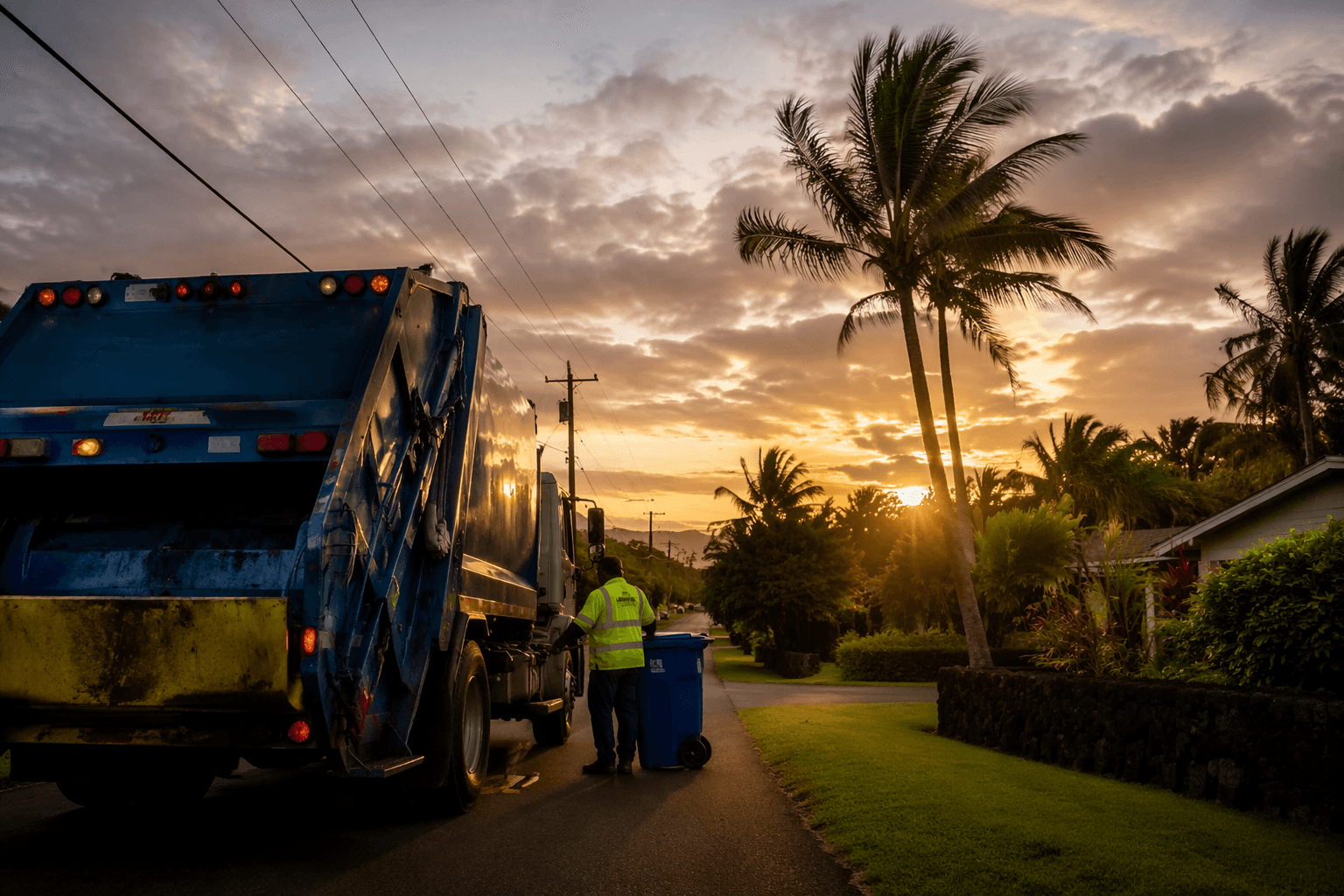
If the next mayor needs a reminder of how quickly county problems become household problems, it is the Kekaha Landfill. Kauai has only one permitted landfill, and county reporting has put the site under mounting pressure, with about 90,000 tons of waste entering it each year and permits that do not allow it to operate beyond November 2027.
Later reporting in June 2026 said the county now expects the landfill to reach maximum capacity in 2030, and officials are considering a vertical expansion that could cost as much as $43 million. That makes waste disposal a budget issue, a land-use issue and an environmental issue all at once, especially because community groups and Earthjustice have objected to a proposed new landfill site on environmental justice grounds. Any mayor who takes office will have to decide how aggressively to pursue expansion, whether to reopen the search for a new site, and how to avoid leaving the county with no legal place to put its trash.
What the next mayor can actually change
The mayor’s office will not fix Kauai’s problems alone, but it will steer the county’s budget, staffing priorities and public works agenda. That is why housing, roads, water, emergency readiness and cost of living should not be treated as campaign slogans. They are the places where county leadership is either visible or absent, from pothole repair and drainage work to water-system resilience and disaster preparation.
So far, Denis has been the most explicit about what he wants the race to be about. His campaign statements have centered on budget priorities, the landfill crisis and biosecurity concerns, signaling a focus on the county’s balance sheet and its ability to respond to threats that can affect food systems, waste handling and public health. The other candidates have not been defined as clearly in the material available here, which leaves voters to watch for who can speak concretely about the county’s biggest obligations rather than its broad ambitions.
Why this open race matters now
The broader political backdrop makes this election bigger than a single office. Kauai’s county ballot is crowded with council openings, which means the next mayor will likely have to work with a council that may look different after November, even as the county wrestles with infrastructure and land-use decisions already on the table.
That is what gives this open seat unusual weight. Kauai is not only choosing a new mayor, it is deciding what kind of county government will manage the island’s most practical problems, from trash and transportation to water and affordability, after nearly a decade under the same executive.
This article was produced by Prism’s automated news system from verified source data, official records, and press releases, then run through automated quality and moderation checks before publishing. The system is built and supervised by the people who set the standards it runs under. Read our full AI policy.
Did this article answer your question?