Surfrider Kaua‘i Hosts Princeville Community Science Event Addressing Coastal Pollution
Surfrider Kaua‘i held a community science event in Princeville to share water-quality findings and show how citizen data informs local efforts to reduce coastal pollution.

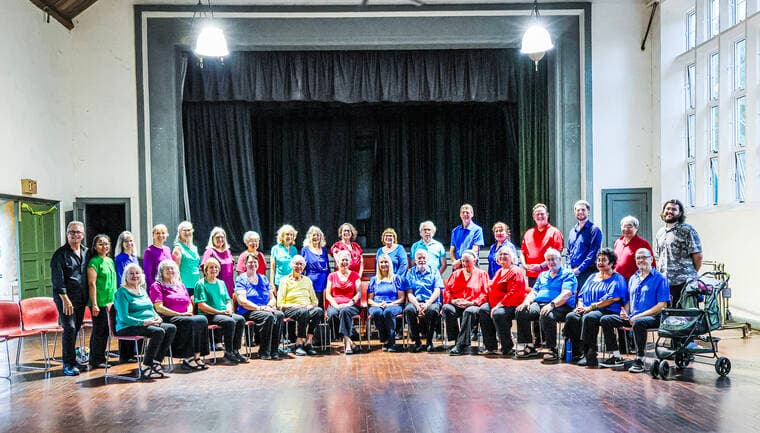
Surfrider Kaua‘i brought community volunteers, residents, and partner organizations together in Princeville for a Community Science for Clean Coastal Water event aimed at confronting pollution in Kaua‘i’s coastal waters. The gathering took place from 5 to 7 p.m. on Jan. 25 at Church of the Pacific in Princeville and focused on translating citizen-collected data into practical steps for protecting nearshore water quality.
The evening began with a short informational presentation about Surfrider’s Blue Water Task Force, outlining the group’s monitoring work and protocols. Attendees then moved into a community talk story session that allowed residents to share observations, ask questions about sampling methods, and connect directly with representatives from partner organizations. Organizers emphasized how community monitoring protocols standardize data collection so volunteer samples can be used in advocacy and policy discussions.
Surfrider Kaua‘i framed the event around water-quality findings gathered by volunteers, explaining how those measurements are used beyond the beach report format to support calls for remediation and policy change. Citizen-collected data was presented as a way to document recurring pollution patterns, flag hot spots for follow-up, and bolster requests for official testing or infrastructure repairs. For communities along Kaua‘i’s coastline, that flow of information matters for public health, shoreline recreation, and long-term stewardship of marine resources.
The event underscored the gap that volunteer monitoring often fills when government sampling is limited in scope or frequency. Community members heard why consistent protocols and transparent data handling are essential if samples are to inform County and state decision-making. Surfrider Kaua‘i and its Blue Water Task Force described how community science can support targeted advocacy, including requests for more regular regulatory monitoring, improved stormwater management, and investments in erosion control or wastewater system upgrades.
Local engagement at Church of the Pacific also functioned as a civic forum, building relationships among residents, nonprofit staff, and partner groups that can sustain monitoring efforts and amplify community priorities. The talk story format reflected local practices of sharing knowledge and aligning volunteer action with policy goals, reinforcing how grassroots data collection can influence planning and enforcement discussions in Kaua‘i County.
For Princeville and nearby neighborhoods, the immediate takeaway is that volunteer data collection is active, organized, and intended to inform public officials and service providers. Residents who want to track water quality or join monitoring efforts should contact Surfrider Kaua‘i to learn about upcoming sampling opportunities and training. Continued community participation will determine whether the data collected at events like this translates into concrete policy changes and cleaner coastal water for residents and visitors.
Know something we missed? Have a correction or additional information?
Submit a Tip