UH Mānoa researchers identify 10 new native leaf-roller moth species, seven genera
UH Mānoa entomologists described 10 new Hawaiian leaf-roller moth species and seven new genera, noting some are already near extinction and images are available to aid conservation.
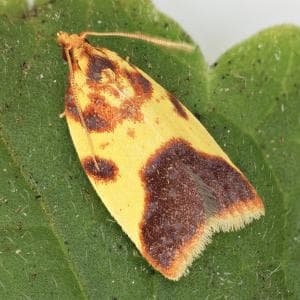
Researchers at the University of Hawaiʻi at Mānoa’s College of Tropical Agriculture and Human Resources described 10 new species and seven new genera of native Hawaiian leaf-roller moths, a taxonomic finding that the team says rewrites the islands’ insect colonization history and raises urgent conservation questions. Graduate student Kyhl Austin is lead author on the work and Professor Daniel Rubinoff is a senior coauthor on the study.
The taxonomic scope is striking because describing a single new genus for insects is uncommon; the team’s identification of seven new genera suggests far more complex arrivals to Hawaiʻi. The researchers report evidence pointing to as many as 20 independent natural colonization events over several million years, a scale described in the study as unprecedented for any animal group in Hawaiʻi. “By identifying these seven new genera, we are showing that these insects crossed thousands of miles of open ocean to reach Hawaiʻi far more frequently than we ever imagined,” Austin said.
Some of the newly described moths are notable for size and color. Multiple images and captions released with the study describe species that shimmer with “almost iridescent” color, and one specimen from Hawaiʻi Island may be the largest member of its family anywhere in the world. The team also highlights Paalua leleole, a species in which females are flightless - an uncommon sexual dimorphism for these moths - and a group of moths in the study is named for their host plant, the endangered ʻiliahi (sandalwood).
Conservation status figures prominently in the researchers’ messaging. The report states several of the newly described species are already near extinction because of habitat loss and the decline of their specific host plants, and some species included in the analysis are listed as presumed extinct after more than 100 years without documented sightings. Rubinoff framed the work as both a discovery and a lament: the finding is a “testament to what was here and what we’ve lost,” and the team warned, “We are naming species just as they are disappearing.”

To document these rare insects, the CTAHR entomology team used advanced automontage photography to create highly detailed, three-dimensional images of specimens; the images are intended to help conservationists identify these moths in the field and are available to view online through the University. For media or conservation inquiries and to request images or further details about the study, the College provided the contact news@hawaii.edu.
The researchers and local conservation groups emphasize that protecting the newly described moths will require targeted efforts to restore native habitats and remove invasive species across the islands, including Kauai County’s remnant native forests where host plants and invertebrate communities remain vulnerable.
Know something we missed? Have a correction or additional information?
Submit a Tip