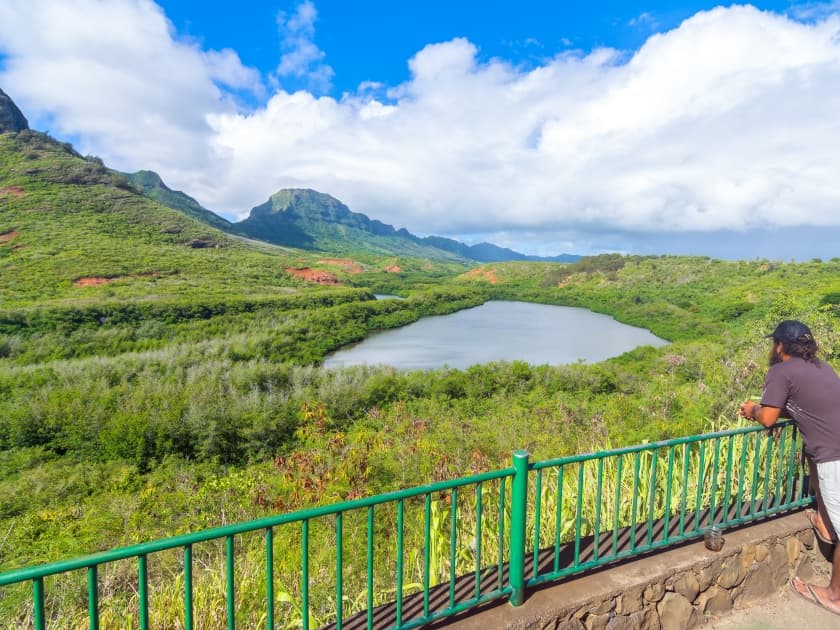
Waimea, Kaua‘i: Historic Paniolo Town, Russian Fort, Gateway to Canyon
Waimea is a living paniolo town and gateway to Waimea Canyon, anchored by Russian Fort Elizabeth; residents and visitors should plan visits responsibly to protect culture and support local businesses.

Waimea on Kaua‘i’s westside is more than a stop on the drive to Waimea Canyon; it is a working community with layered histories and practical consequences for residents. The town’s paniolo heritage, plantation-era buildings, and scenic harbor views combine with the presence of Russian Fort Elizabeth (Ka‘eʻie/Waimea Fort) to make Waimea both a cultural anchor and a driver of visitor traffic. That mix affects parking, local commerce, and stewardship of sensitive sites.
Russian Fort Elizabeth dates to the early 19th century and is one of the few surviving Russian-era fortifications in Hawai‘i. The fort sits on public land near Waimea Harbor and offers shoreline viewpoints that require sun protection and sturdy shoes. Park signage governs hours and any access advisories; following those posted rules helps preserve interpretive plaques and culturally sensitive areas while keeping access safe for residents and visitors.
For Kaua‘i County residents, the local economy is immediately relevant. Westside eateries and markets in Waimea depend on both local patronage and visitor spending. Planning scenic drives to Waimea Canyon and Kōkeʻe with extra time for lookouts and photos concentrates demand at the town’s limited parking and harbor areas during peak periods. Supporting neighborhood businesses by eating and shopping local keeps dollars in the community, but it also raises the need for deliberate management of visitors to avoid overburdening infrastructure.
Cultural institutions play a central role in balancing access and preservation. The Kaua‘i Historical Society and Waimea community centers maintain event calendars and programs that foreground local history and craft practices. Residents and visitors should check those calendars for cultural events and interpretive opportunities that deepen understanding of paniolo life and plantation-era heritage while spreading visitation across times and locations.
Stewardship expectations are straightforward and actionable: respect plaques and interpretive signs, leave no trace, follow local guidance for parking and access, and wear sun protection and sturdy shoes for shoreline viewpoints. These practices reduce erosion, protect archaeological features, and limit the need for costly enforcement or infrastructure changes down the road.
Economically, managing Waimea’s dual identity as a living town and visitor gateway requires investment in clear signage, parking management, and community-based programming. Doing so protects cultural assets that are central to the westside’s identity and sustains the small businesses that rely on them. For residents and visitors, the takeaway is practical: plan ahead, support local businesses, follow posted guidance, and treat Waimea’s paniolo roots and Russian fortification with the care that keeps the town viable for the next generation.
This article was produced by Prism’s automated news system from verified source data, official records, and press releases, then run through automated quality and moderation checks before publishing. The system is built and supervised by the people who set the standards it runs under. Read our full AI policy.
Did this article answer your question?