Waimea Light Parade Brings Street Closures and Transit Adjustments
The 25th annual Waimea Light Parade took place on December 15, closing streets and prompting Kaua‘i Bus route adjustments to accommodate spectators and public safety. The event's traffic controls and same day publication of staging and route details affected residents, commuters, and local businesses along the route.
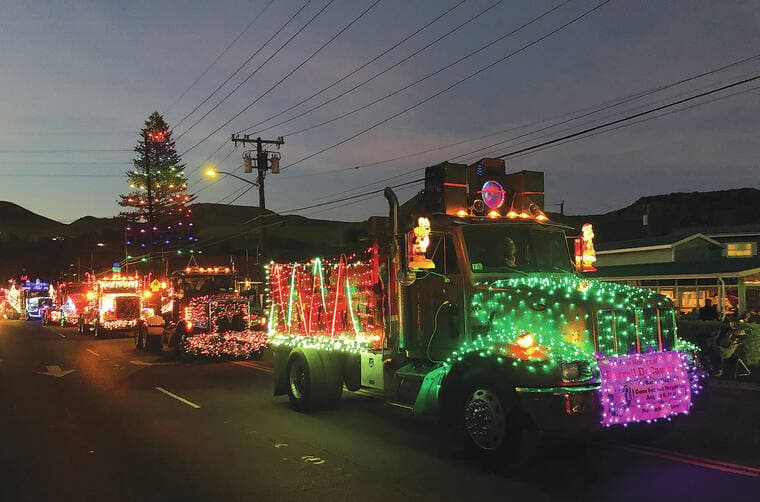
The 25th annual Waimea Light Parade was held on December 15, beginning at the Waimea Canyon Middle School parking lot, proceeding down Huakaʻi Road and Waimea Canyon Drive, and concluding at the Ala Wai Road intersection. Kaua‘i Police closed streets along the route from about 5 00 p.m. until the parade concluded, and no parking was allowed along the route starting at 5 00 p.m. Kaua‘i Bus announced adjustments to Routes 100 and 200 to accommodate spectators and the temporary street closures.
Organizers published parade staging and route information on December 15, the same day as the event, and advised that updates would be issued in the event of severe weather. The timing of that announcement meant residents and transit riders had limited advance notice, which affected planning for evening travel and parking. For commuters who rely on Routes 100 and 200, the adjustments introduced detours and timing changes that required riders to arrive earlier or choose alternate pickup locations.
Local businesses along Waimea Canyon Drive experienced a compressed window to prepare for the influx of visitors and the traffic restrictions. The parade remains a longstanding community tradition, now in its 25th year, and draws families and visitors whose presence supports nearby retailers and food vendors. At the same time, the concentration of people and vehicles places demands on traffic control and emergency access, underscoring the need for clear communication between organizers, law enforcement, transit agencies, and residents.
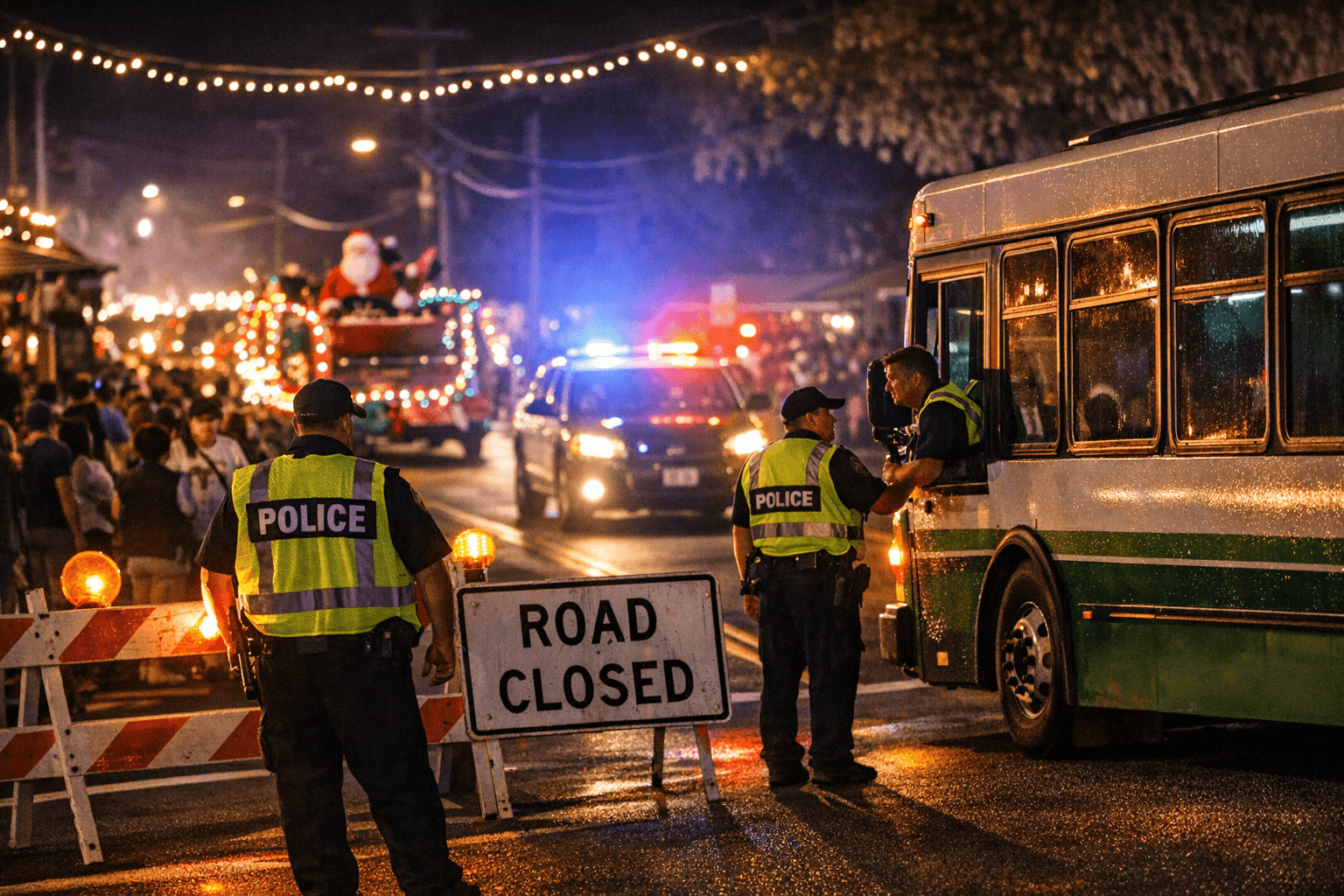
From an institutional perspective the event illustrates how public safety planning and public transportation must be coordinated for community events. Publishing route and staging details on the day of the parade can limit the effectiveness of outreach, particularly for transit dependent residents and those with mobility needs. Organizers and county agencies can improve resilience by providing earlier notice, stipulating accessible pick up and drop off points, and clarifying enforcement and emergency access procedures.
Residents should plan for similar closures during seasonal events, monitor Kaua‘i Police and Kaua‘i Bus advisories, and consider alternate travel arrangements when parades or other large gatherings are scheduled. The Waimea Light Parade remains a significant civic occasion, and its continued success depends on effective coordination among organizers, public safety agencies, transit providers, and the community.
Know something we missed? Have a correction or additional information?
Submit a Tip