Avista enters talks on large data center load in Spokane County
Avista is in early talks on a Spokane County data center load that could reach 500 megawatts, a scale already rattling North Idaho policymakers.
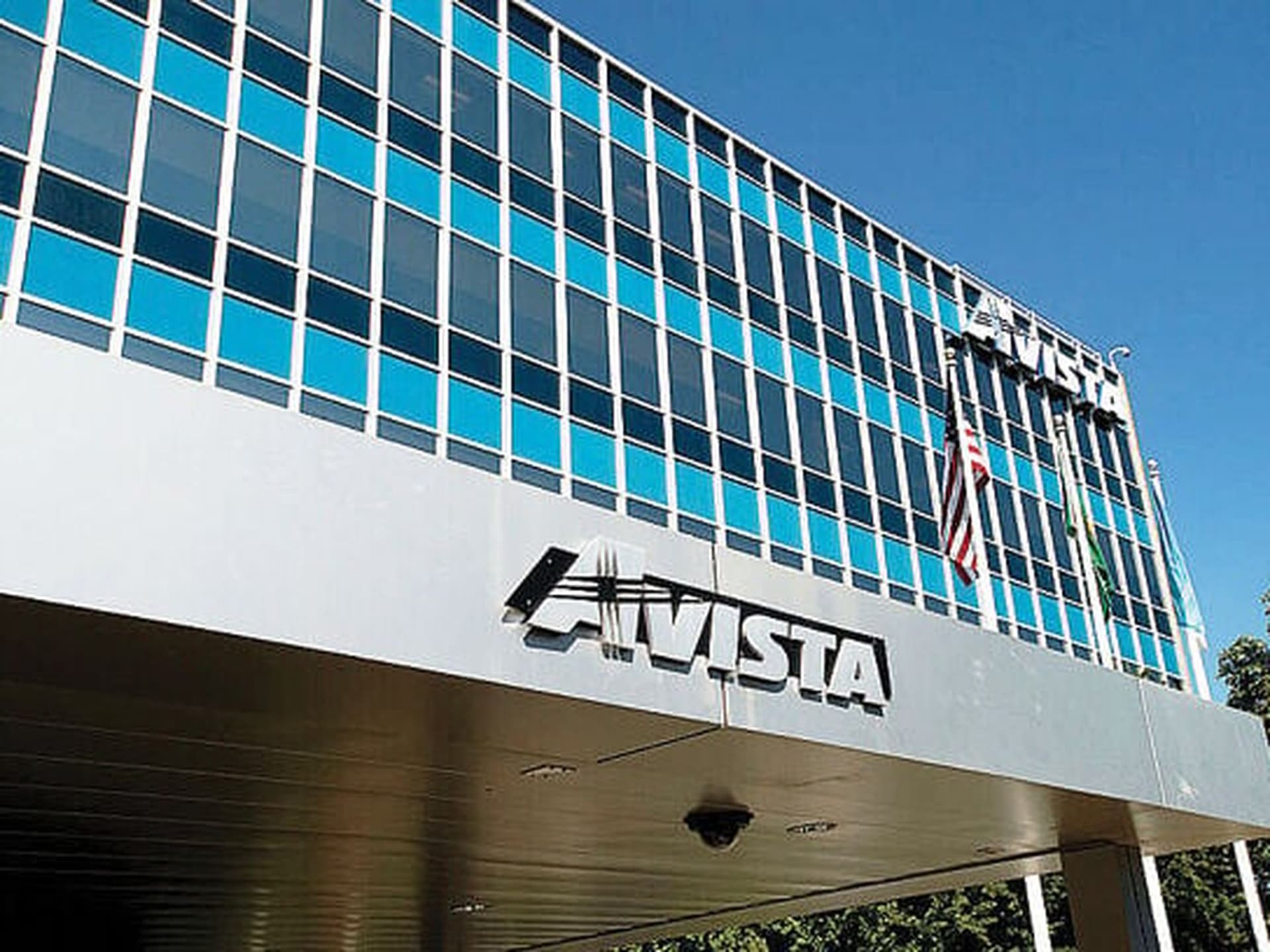
Avista Utilities has opened discussions on a Spokane County data center load so large it could reshape how power is planned across the Inland Northwest. For Kootenai County, the stakes are immediate: the utility serves customers on both sides of the state line, and a project of this size raises fresh questions about rates, grid capacity, land demand and who benefits first.
The company said it signed a non-binding memorandum of understanding on May 29 with a developer in its Washington service territory. Senior communications manager Jared Webley said the deal is only a framework for continued talks, not a final commitment to serve the project. The customer is seeking an initial 125-megawatt load starting in 2029, with a path to 500 megawatts by 2032, subject to further evaluation, regulatory review and definitive agreements.
That scale is unusual enough to matter well beyond Spokane County. Avista said it has not procured power for anything on this scale before, and the utility’s footprint spans eastern Washington and northern Idaho. Any long-term commitment of that size would ripple through planning for generation, transmission and future load growth across the bi-state region.
In Kootenai County, the proposal lands in a region already wary of data center expansion. In March 2025, the Kootenai County Board of Commissioners adopted an emergency 182-day moratorium on data center building permits. The county’s resolution cited water demand, electricity use, air pollution, building size, noise, parking and traffic, and it warned that data centers can draw between 500,000 and five million gallons of water per day while using up to 100 megawatts of electricity per year.
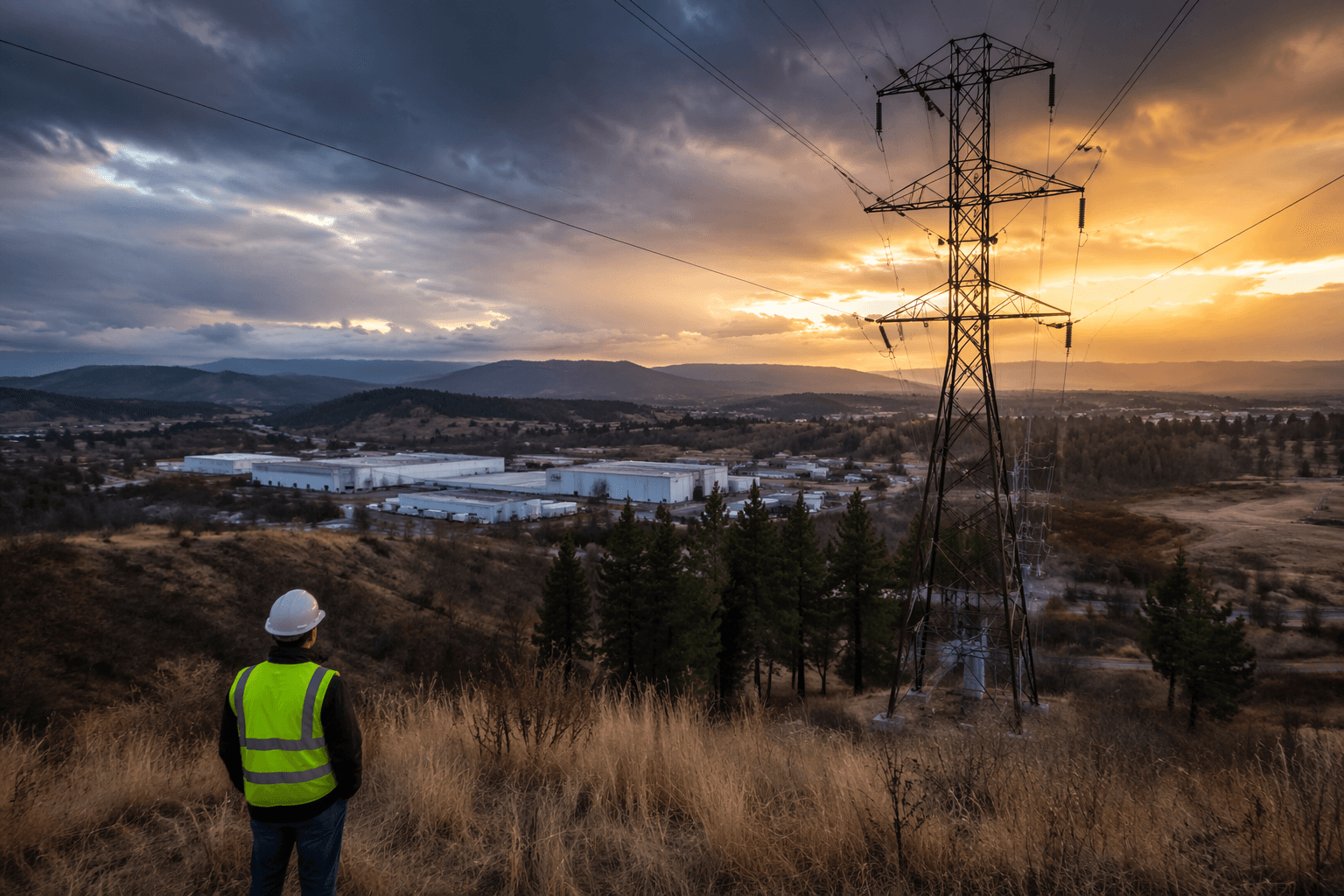
County leaders also pointed to the Spokane Valley-Rathdrum Prairie Aquifer, which the resolution describes as the sole source of drinking water for more than 600,000 people in Kootenai County and Spokane County. That makes every large-load proposal a regional issue, not just a Spokane one, because the same grid and water constraints that shape development there also influence what could land in North Idaho next.
Spokane officials are facing the same pressure. In June 2026, Spokane City Council members introduced a one-year citywide moratorium on new data center permits, citing water, noise and energy concerns. Washington lawmakers have also been debating data-center tax treatment and broader regulation of large energy-use projects this year, signaling that the sector’s growth is now colliding with public scrutiny.
For Kootenai County businesses, utilities and economic developers, the Avista talks look less like a single project than an early test of how much industrial growth the region can absorb before power competition, land use and infrastructure costs become the dominant story.
This article was produced by Prism’s automated news system from verified source data, official records, and press releases, then run through automated quality and moderation checks before publishing. The system is built and supervised by the people who set the standards it runs under. Read our full AI policy.
Know something we missed? Have a correction or additional information?
Submit a Tip