Burbot Spawn Moves Shallow on Kootenai River, Opening Winter Fishing Window
Burbot move from 40-foot deep holes into 5-15 foot flats at dusk from mid-February through mid-March, with hotspots at Deep, Smith and Boundary creek confluences.
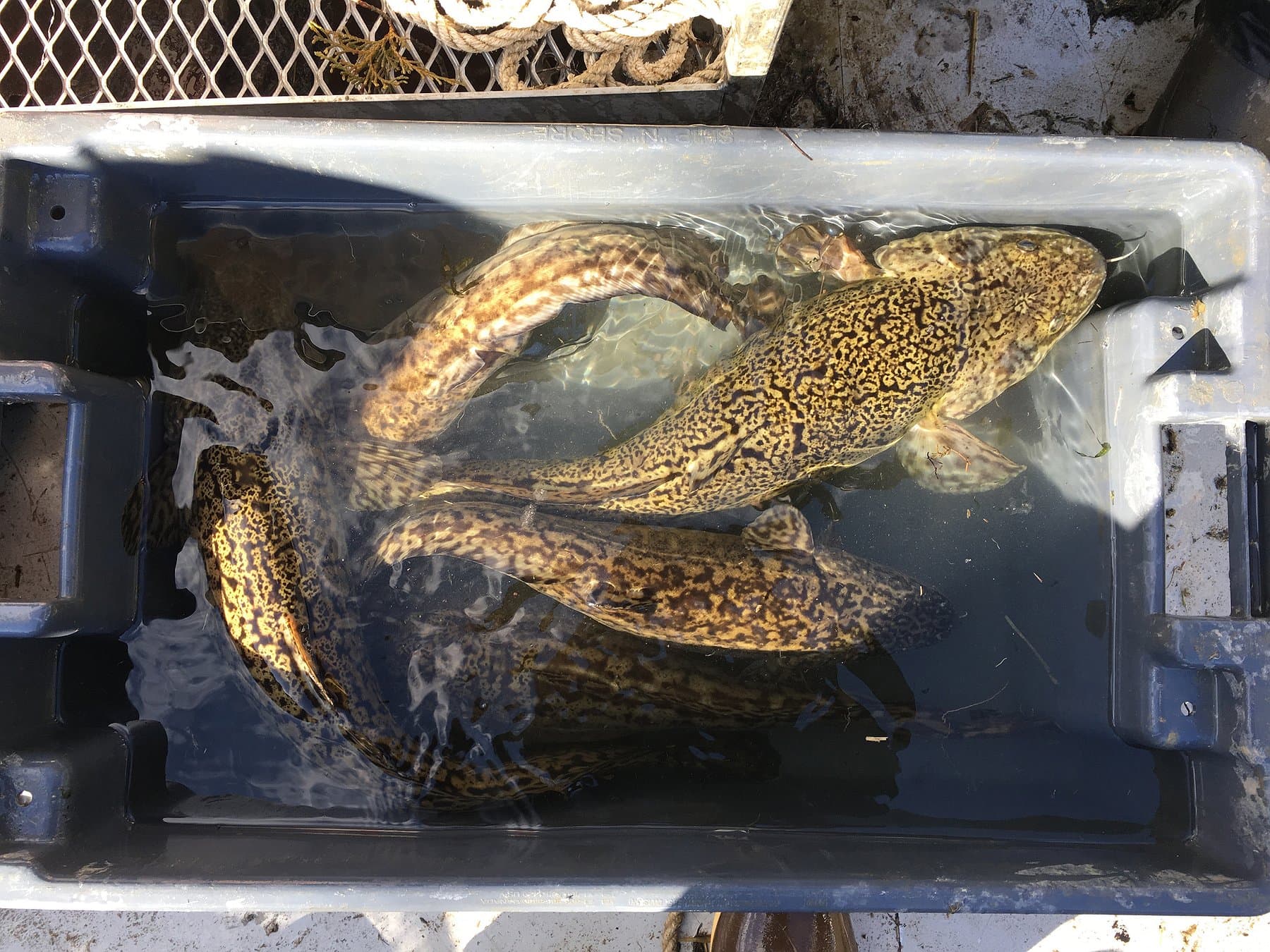
Burbot in the Kootenai River system begin moving from deep pools and Kootenay Lake into shallower river and tributary water starting in mid-February, opening a concentrated winter fishing window that peaks through mid-March, Idaho Fish and Game and local biologists report. Regional Fisheries Biologist T.J. Ross points anglers toward confluence zones where tributaries meet the mainstem - “These areas have the types of substrates burbot prefer to spawn over and are potentially burbot hotspots.”
The shift follows a daily pattern anglers have reported: burbot lie in deep holes of 40 feet or deeper during daylight, then move onto shallow flats of roughly 5-15 feet at dusk and during the night to feed. TheFishingWire notes anglers fishing from shore or boat most successfully target those shallow flats after dark; the fish use their single chin barbel to probe the bottom, so bottom-presented bait is recommended. Ross advised, “We see a lot of folks using cut bait, worms or shrimp, with many folks reporting that native peamouth chub is the best bait around.”
Scientific and management research frames why the winter window matters and how it can vary. The Kootenai River Fisheries Investigation, begun by Idaho Fish and Game in 1993, has documented distribution and movement, and studies by Paragamian and colleagues found Libby Dam changed winter discharge and temperature regimes. Paragamian’s winter 1997-1998 work reported that movement of sonic-tagged burbot increased under low-discharge test conditions (170 m3/s) compared with a control range of 170-736 m3/s; post-dam winter discharges are now “three to four times greater than they were historically.” Digital Library excerpts also record that “Daily differences in discharge now range up to 652 m3/s, a [...]” (truncated) and that winter water temperatures have ranged from about 0-2°C in some Dec–Jan periods and 0-4°C during the 2000-2001 season when a spawning event was observed.
Field observations include a documented spawning ball at Ambush Rock during the 2000-2001 season documented by Kozfkay and Paragamian 2002. Studies suggest burbot form spawning balls and release eggs that drift to the bottom; researchers have preliminarily linked initiation of spawning migration to winter temperatures in the 3-4°C range (Paragamian, in progress). Modeling work summarized by University of Idaho researchers also raises the possibility of adfluvial immigration from Kootenay Lake contributing adults to the fishery during the spawning season.

Cultural and hatchery notes add local context. Tribal Chair Gary Aitken Jr. recalled historical winter runs and family-scale weir harvests in January and February: “We mostly fished for them in the winter, in January or February. There was about a two week time frame, when they were spawning. They would move up in the creeks. … When we were done fishing, we’d clean them out, and roast or smoke them over a fire.” Sandpoint Magazine quoted a hatchery source, “If we have 6 million good, viable, healthy eggs, we’re hoping to get about 100,000 to 125,000 six-month-old juveniles for release.”
Idaho Fish and Game’s Panhandle Region is promoting burbot as a winter angling opportunity under the headline “Burbot, the Kootenai River leopard, is the perfect way to cure cabin fever.” Anglers with questions or who want program details can contact the Panhandle Regional Office at (208) 769-1414 and are advised to follow the Panhandle Region Facebook page for updates. Managers note the need for continued winter sampling and formal monitoring: “Establish an index monitoring scheme to measure changes in population numbers (Seber-Jolly population estimate), size structure (PSD), condition [...]” (truncated), and hydrology decisions at Libby Dam remain a central factor shaping future runs.
Know something we missed? Have a correction or additional information?
Submit a Tip