Coeur d'Alene Backpack Program Faces Financial Crisis, 700 Students at Risk
A Coeur d'Alene nonprofit feeding 700 food-insecure kids is out of money and may not survive the school year without community donations.
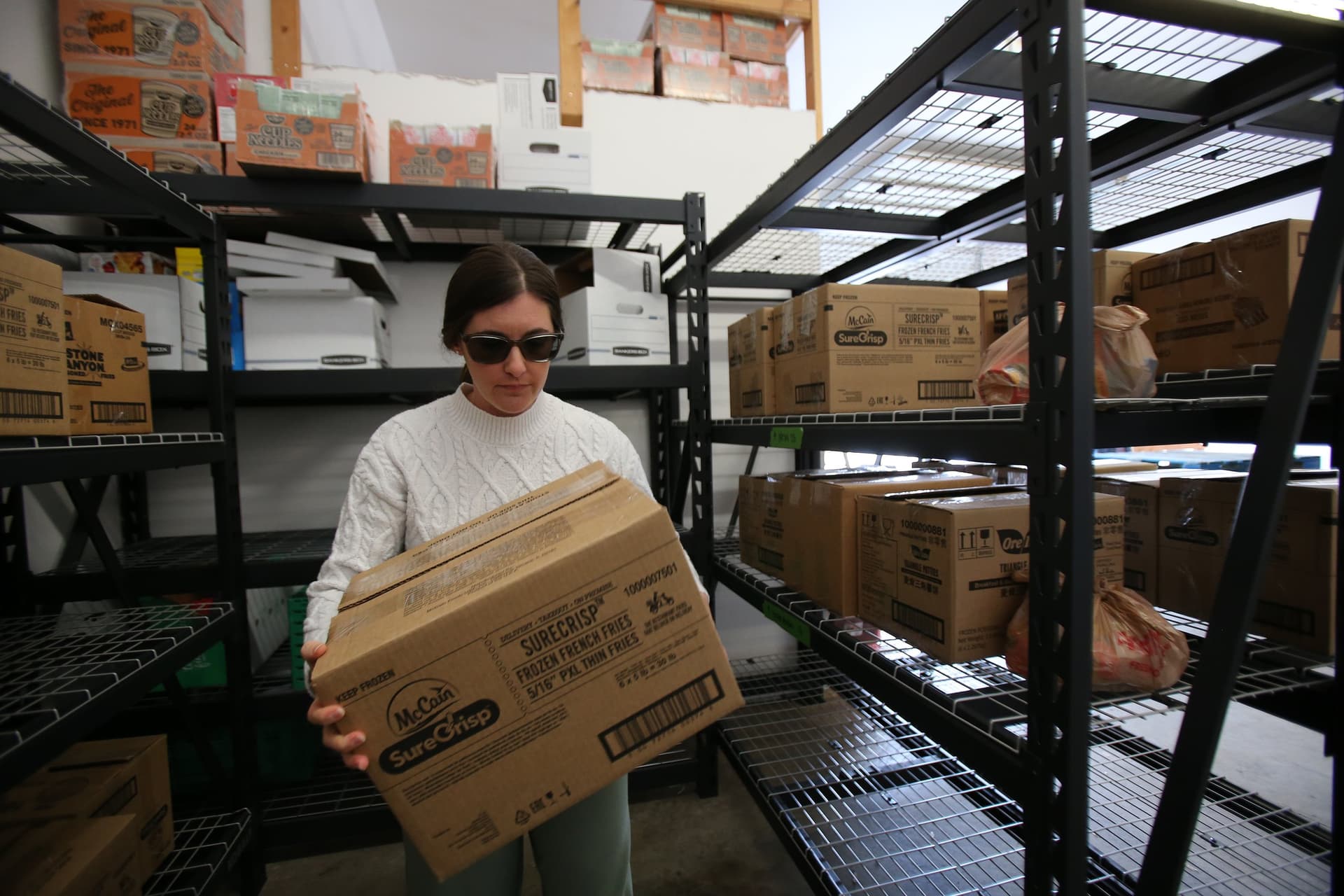
The Coeur d'Alene Backpack Program, a volunteer-run nonprofit that has quietly kept hundreds of local children fed on weekends and school breaks since 2010, is facing the gravest financial threat in its 16-year history.
"We are out of money and our program will not last past this school year," Vice President Jennifer Branstetter wrote in a Feb. 23 email to The Press. The program currently serves roughly 700 students in the Coeur d'Alene School District who experience food insecurity, and it costs $107,400 to operate for the current school year. It receives no state or federal funding, relying entirely on donations, grants and sponsors.
What began with 16 kids has grown into an operation that fills a gap no government program covers: the hours between Friday afternoon and Monday morning, and the long stretches of holiday breaks when school cafeterias go dark. "Our program started in 2010 with only 16 kids and has grown by leaps and bounds," Branstetter said. "When COVID hit, our numbers just skyrocketed, and that's where the need has just gone crazy and it keeps going up."
The distribution model is deliberately discreet. School counselors review lists of students who qualify for free and reduced-price lunches, consult with teachers, and arrange delivery without drawing attention. At the elementary level, staff may quietly slip a food kit into a child's backpack during recess. Secondary students can visit a school pantry and choose items on their own.
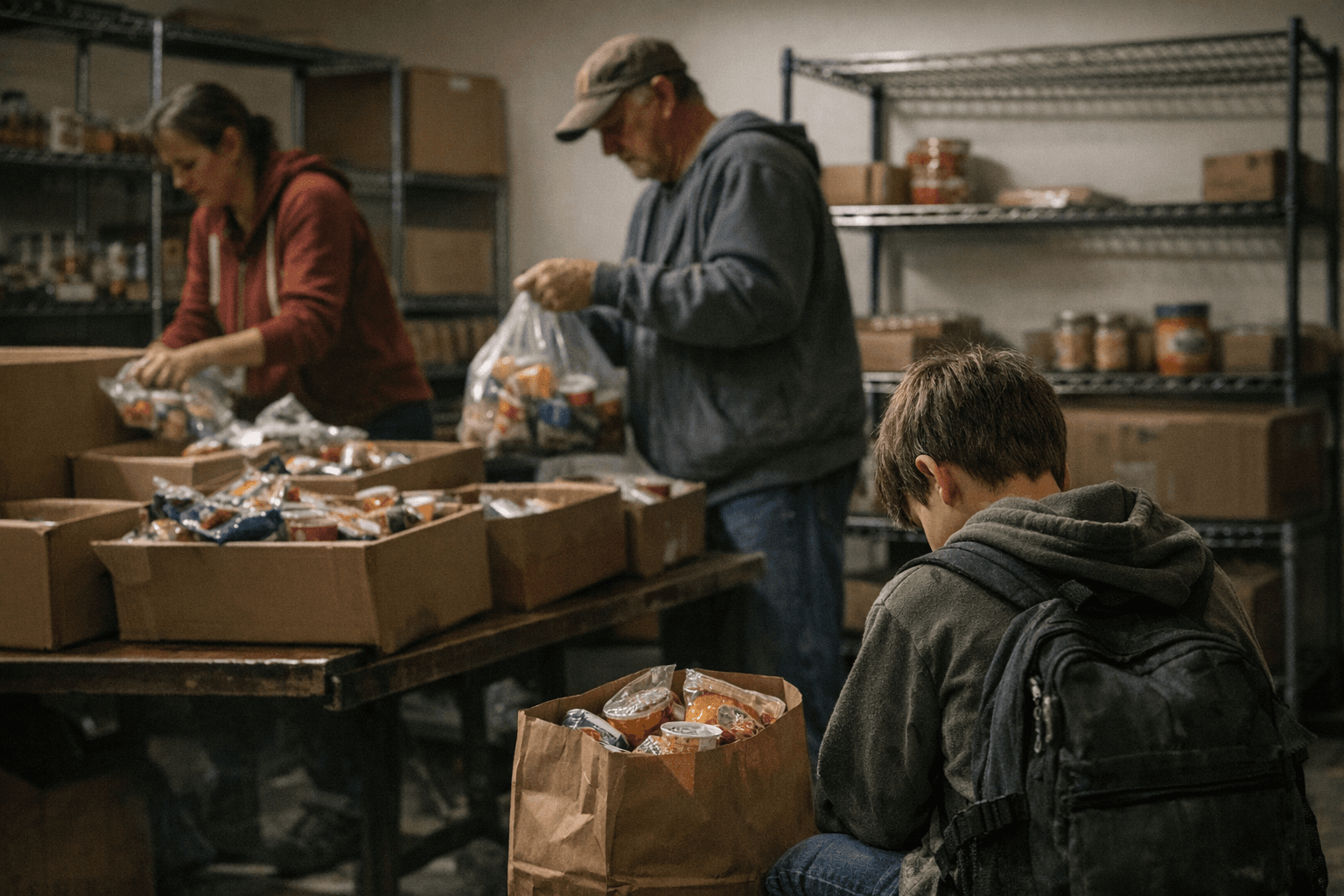
Participation is not fixed. Some families need the program for a few weeks while a parent works through a rough patch; others rely on it for months. "Sometimes there might be a kid that needs it just two weeks. Maybe a parent is just struggling," Branstetter said. "Our numbers fluctuate week by week because of that."
On March 3, volunteers Elise Smith and Kait McKay were at the nonprofit's Coeur d'Alene warehouse loading wagons with boxes of food, the kind of routine weekly work that has sustained the program across hundreds of school weekends. Without a significant influx of community donations, that work could stop before the school year ends.
This article was produced by Prism’s automated news system from verified source data, official records, and press releases, then run through automated quality and moderation checks before publishing. The system is built and supervised by the people who set the standards it runs under. Read our full AI policy.
Did this article answer your question?