Coeur d'Alene schools chief urges Idaho to modernize funding formula
Coeur d'Alene's levy now covers 164 employees and more than a quarter of the district budget as trustees push a $30.25 million request.
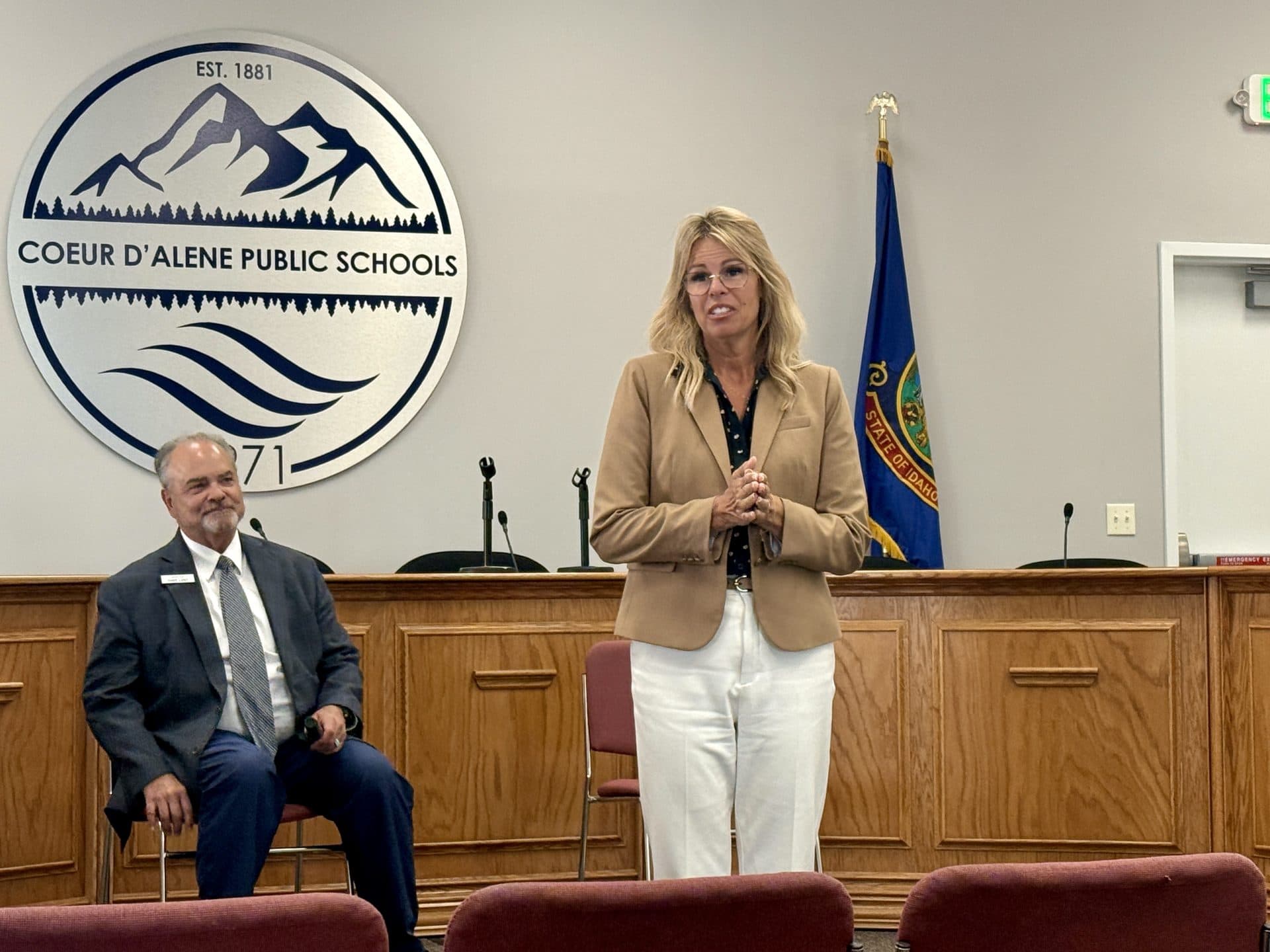
Coeur d'Alene schools are leaning harder than ever on local taxpayers to keep classrooms staffed and services running. Superintendent Shon Hocker told a state listening session in Coeur d'Alene that Idaho is “funded dead last” in the country, and he said the district’s supplemental levy now pays for 164 employees outside the state formula and covers more than 25% of the school budget.
That local dependence is growing as inflation pushes costs higher. Coeur d'Alene School District trustees voted to raise the levy request to $30.25 million this fall, up from the district’s two-year, $25 million levy that voters approved in November 2024 by 61% to 39%. Hocker said the money helps pay for full-day kindergarten, early intervention, IT directors and additional human resources staff, all positions he said are needed because the state formula no longer matches what a fast-growing district requires. He also noted that some classified employees are reimbursed at $42,000 a year, well below market hiring costs.

The debate is part of a broader statewide push to rewrite Idaho’s K-12 funding formula for the first time since the 1990s. State superintendent Debbie Critchfield has launched a series of listening sessions as her department moves toward a rewrite, even though Senate Concurrent Resolution 121, which directed the Department of Education to draft updated funding legislation and study district impacts, stalled in the House. The final virtual listening session is set for June 25.
The pressure on Coeur d'Alene comes as Idaho remains last in the nation in per-student K-12 spending. National Center for Education Statistics data show the state spent $11,391 per student in fiscal year 2021-22. Critics say the current support-unit system, which is based in part on attendance rather than pure enrollment, leaves districts to cover too many costs with local levies and property taxes. When the state moved back to attendance-based funding in 2024, districts were projected to lose nearly $162 million compared with the temporary enrollment-based formula used during the pandemic.
Special education has become another flash point. State estimates put the gap between special education costs and state and federal support at about $100 million, and education groups have argued that the 2025 legislative session did not deliver new money for special education, curriculum, technology, extracurricular programs or operations. For Hocker, the issue is whether Idaho wants schools in growing places like Coeur d'Alene to keep patching basic costs with local levies, or modernize the formula so classrooms are funded more predictably and taxpayers are not left filling the gap year after year.
This article was produced by Prism’s automated news system from verified source data, official records, and press releases, then run through automated quality and moderation checks before publishing. The system is built and supervised by the people who set the standards it runs under. Read our full AI policy.
Did this article answer your question?


