Coeur d'Alene Tribe Member Overcomes Foster Care, Earns National College Honor
After aging out of foster care at 18, Coeur d'Alene Tribe member Marie Aripa, 32, was named the nation's top tribal college student.
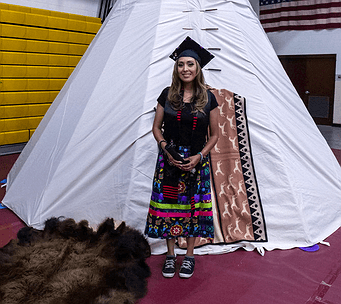
Marie Aripa spent part of her childhood cycling through foster care and group homes, aging out of the system at 18 with no parent to walk her through a college application or help complete financial aid paperwork. On March 15, the 32-year-old enrolled member of the Coeur d'Alene Tribe accepted the 2025-2026 American Indian College Fund Tribal College Student of the Year award at a ceremony in Bismarck, North Dakota.
The honor was presented during the American Indian Higher Education Consortium's annual conference and recognizes students for academic achievement, leadership, resilience, and community contribution.
Aripa earned an associate of arts in business management from Salish Kootenai College in 2024 and is completing her bachelor's degree in business administration, with graduation expected in June 2026. Her path to that finish line ran through years of instability: homelessness, addiction in the family, and the administrative complexity of college enrollment that most students navigate with parental help. The COVID-19 pandemic marked the point when higher education finally became reachable.
"Being named Student of the Year means more than I can say," Aripa said via email. She described herself as "not a perfect student, but a resilient one who refuses to quit."
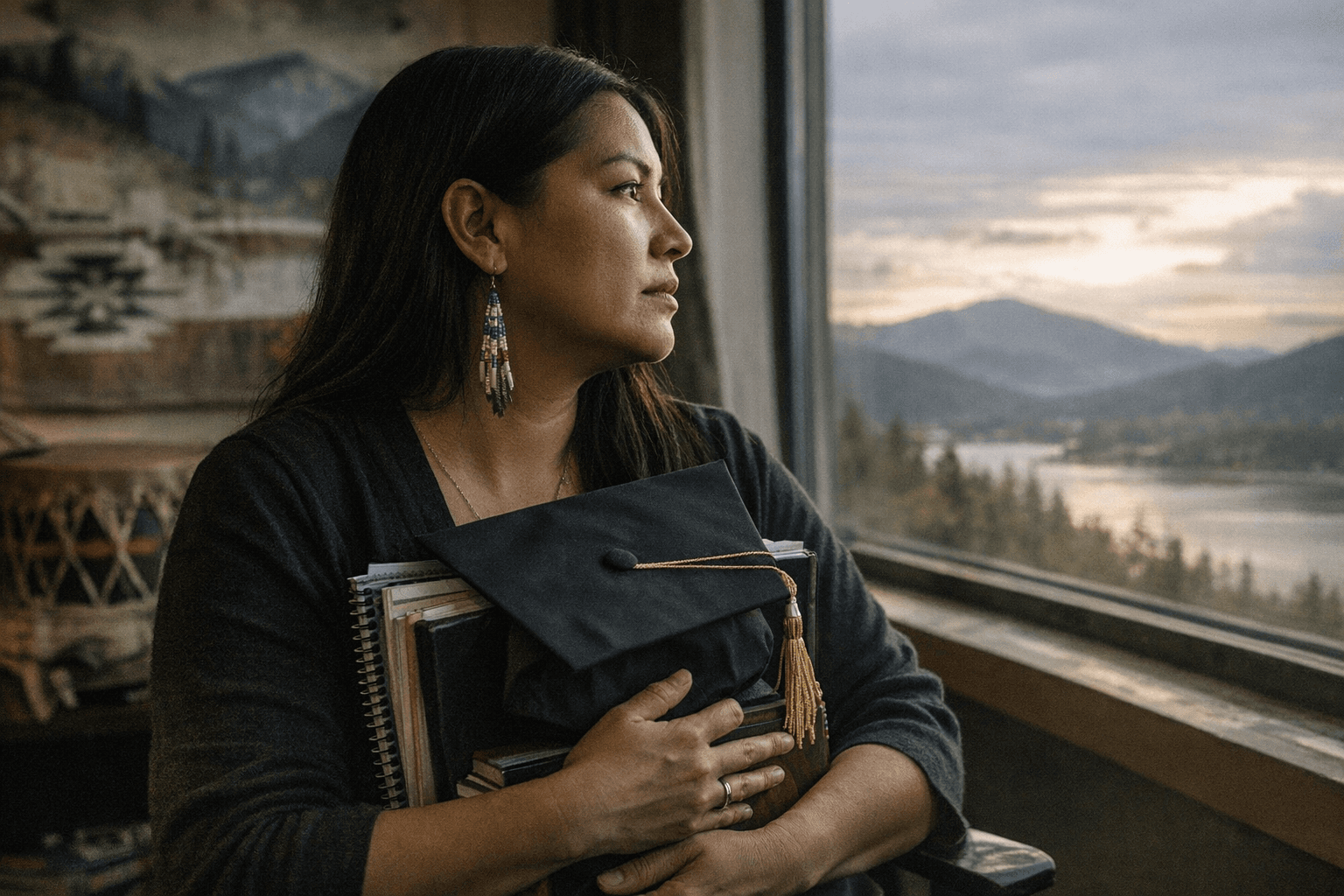
Her family heritage spans multiple tribal nations across the region. Her father is a Coeur d'Alene Tribal Member, her mother is from the Confederated Salish and Kootenai Reservation, and her grandparents hold affiliations with the Colville, Coeur d'Alene, and Spokane tribes.
For northern Idaho's tribal communities, the recognition lands with particular weight. Students who age out of foster care face compounding disadvantages when pursuing higher education, including gaps in financial guidance, housing instability, and limited institutional knowledge. Aripa's trajectory through a tribal college system, from associate degree to a nationally recognized business administration student, offers a concrete counter-narrative to those odds.
She is now completing her final quarter before a June graduation that once had no clear path to it.
This article was produced by Prism’s automated news system from verified source data, official records, and press releases, then run through automated quality and moderation checks before publishing. The system is built and supervised by the people who set the standards it runs under. Read our full AI policy.
Did this article answer your question?


