Complete Guide to Kootenai County Fairgrounds Facilities, Rentals and Visitor Info
what residents need to know to visit, rent, or host events at the Kootenai County Fairgrounds.
1. Overview and location
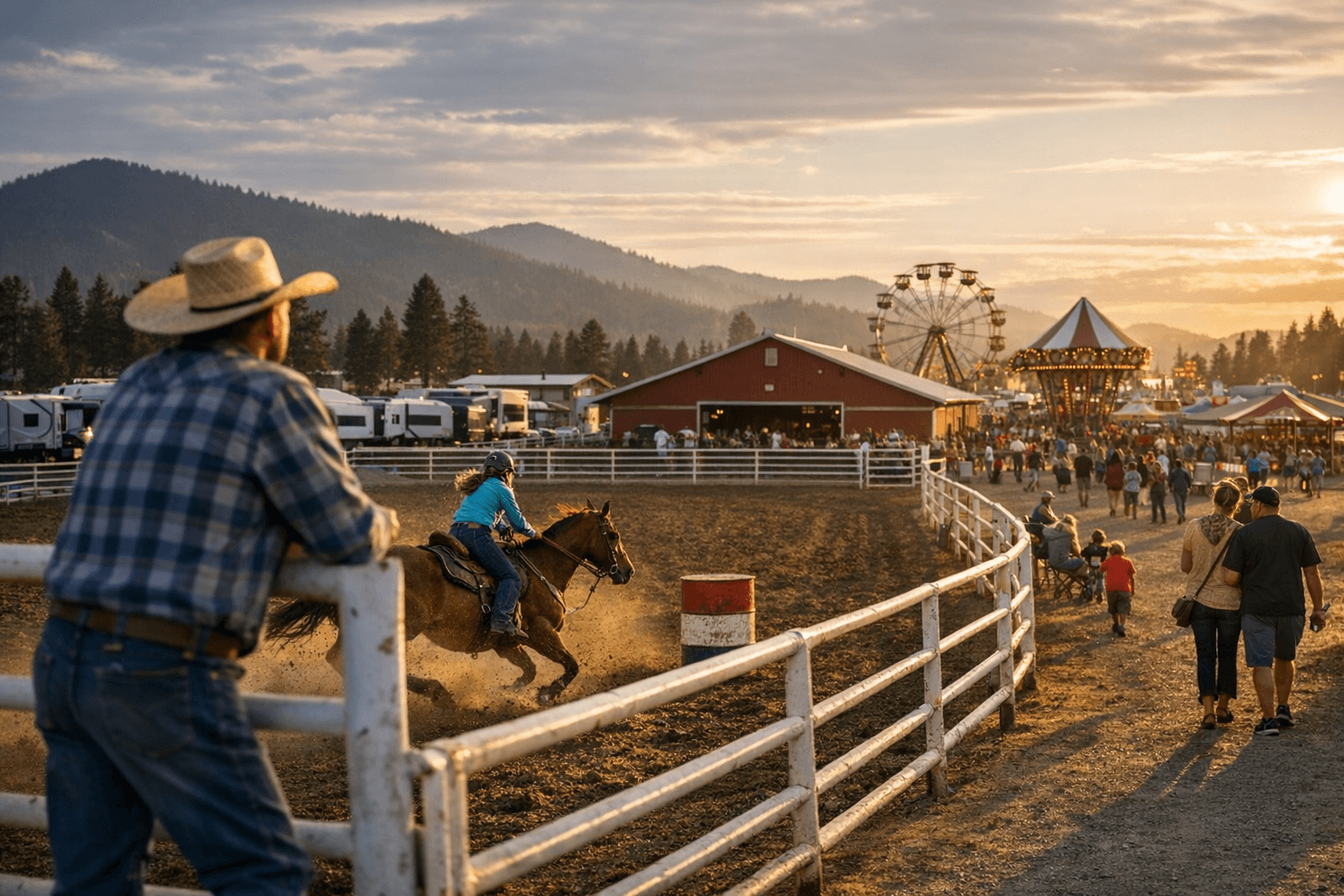
The Kootenai County Fairgrounds (North Idaho State Fair & Rodeo) is the county’s primary year‑round event campus located at 4056 N Government Way in Coeur d’Alene. The park‑like grounds span roughly 82–83 acres and host fairs, expos, rodeos, concerts and community events that draw residents from across North Idaho. With more than 40,000 square feet of indoor event space and a main arena, the site functions as a regional hub for gatherings large and small.
2. Contact information and entry guidance
For bookings or visitor questions call 208‑765‑4969 or visit the fairgrounds’ event pages for date‑specific details. Many events direct attendees to use Gate C / Kathleen Ave for entry and parking; check individual event pages because gate routing can change with crowd control and arena setups. When in doubt arrive early, entry guidance often changes for large rodeos, concerts or state fair days.
3. Indoor event spaces and halls
Indoor facilities include the Jacklin Building, Buildings 1–3, the Stampede Room and additional multi‑use halls that collectively offer 40,000+ square feet. These halls can host trade shows, banquets, vendor rows and smaller community meetings; floor plans and capacities vary, so match your event type to room dimensions. Expect concrete floors in expo halls and carpeting or banquet setups available in dedicated meeting rooms.
4. Main arena and outdoor arenas
The fairgrounds feature a main arena suited to rodeos, concerts and large spectator events, plus outdoor arenas and warm‑up areas for livestock and equestrian activities. Outdoor arenas are configurable for rodeo chutes, show rings, and fairground demonstrations, providing the space you need to saddle up or stage a festival. Weather and seasonal scheduling can affect availability, so confirm desired outdoor sites well in advance.
5. Rental program basics (rates, insurance, permits)
A formal facility rental program covers indoor halls, outdoor arenas, vendor spaces and camping; organizers must contact fairgrounds staff for current rental rates and availability. You will typically need to provide proof of insurance and obtain any necessary permits for alcohol, food service or amplified sound, staff will outline these requirements during the booking process. Budget for deposits and a clear timeline for payments; prime summer and fair dates fill months ahead.
6. Vendor spaces and under‑stands
Vendor and under‑stand spaces are available across the grounds for fairs, expos and rodeo concessions, sized for booths and food trailers. Spaces are allocated per event with specific electrical, water and waste‑management rules, coordinate early to reserve a preferred location. Vendor fees and set‑up windows vary by event; be prepared with liability insurance and a detailed menu or merchandise list for approval.
7. On‑site RV and tent camping for participants
On‑site RV and tent camping is offered for event participants, creating a practical base for multi‑day shows and rodeos. Spaces may include hookups depending on the event and are typically assigned as part of the rental agreement or participant registration. If you plan to camp, reserve early and confirm hookup capacity, overnight policies and quiet hours.
8. Parking and traffic logistics
The fairgrounds provide extensive free parking with officially more than 6,000 spaces, which absorbs substantial local traffic for major events. Even with abundant parking, special events can congest nearby roads, plan arrival times and follow posted traffic patterns; Gate C / Kathleen Ave is often staged for entry. If you run an event, coordinate parking marshals and signposting to minimize neighborhood spillover.
9. Catering, beverage and food service options
Catering and beverage services are supported across facilities, with on‑site food vendor opportunities during fairs and rodeos. Whether you bring an external caterer or hire fairgrounds‑approved vendors, you must adhere to health department rules and any beverage service permits. Discuss beverage zones and alcohol policies with staff early, requirements differ by indoor/outdoor site and event type.
10. Equipment, A/V and bleacher rentals
The fairgrounds can provide or coordinate equipment rentals including audio/video systems, staging and bleacher setups for spectator events. Technical needs vary widely, sound reinforcement, lighting rigs and broadcast hookups should be specified in advance so crews can plan load‑in. For large concerts or trade shows, get a detailed A/V rider and reserve technicians if you need event support.
11. Booking steps and event planning checklist
1. Contact fairgrounds staff at 208‑765‑4969 to check date availability and initial rates.
2. Reserve your desired facility and submit required deposits and insurance documents.
3. Coordinate permits, vendor placements, A/V needs and camping assignments with staff.
4. Finalize parking plans, gate entry (often Gate C / Kathleen Ave), staffing and emergency procedures.
Following these steps reduces last‑minute surprises and ensures compliance with venue requirements.
12. Local impact and community significance
The fairgrounds serve as an economic anchor in Kootenai County, drawing visitors who spend on lodging, food and retail in Coeur d’Alene and nearby towns. Year‑round programming supports local vendors, 4‑H activities and service groups, while large events boost seasonal employment and tax receipts. For residents, the grounds are both a cultural touchstone and a practical asset for school, agricultural and civic events.
- Arrive early for the best parking and easiest gate access, especially on rodeo and fair days.
- Confirm Gate C / Kathleen Ave directions on event pages and share them with guests.
- If you’re organizing, start bookings and insurance conversations months ahead for summer dates.
13. Practical tips for visitors and hosts
Think of the fairgrounds like a small city: plan logistics, factor in set‑up time and communicate clearly with staff to turn your event into a smooth, hometown success.
This article was produced by Prism’s automated news system from verified source data, official records, and press releases, then run through automated quality and moderation checks before publishing. The system is built and supervised by the people who set the standards it runs under. Read our full AI policy.
Did this article answer your question?