County presentations on Cougar Gulch history aim to boost community ties
Kootenai County hosted public presentations on Cougar Gulch history Jan. 9 to encourage preservation participation and inform local planning.
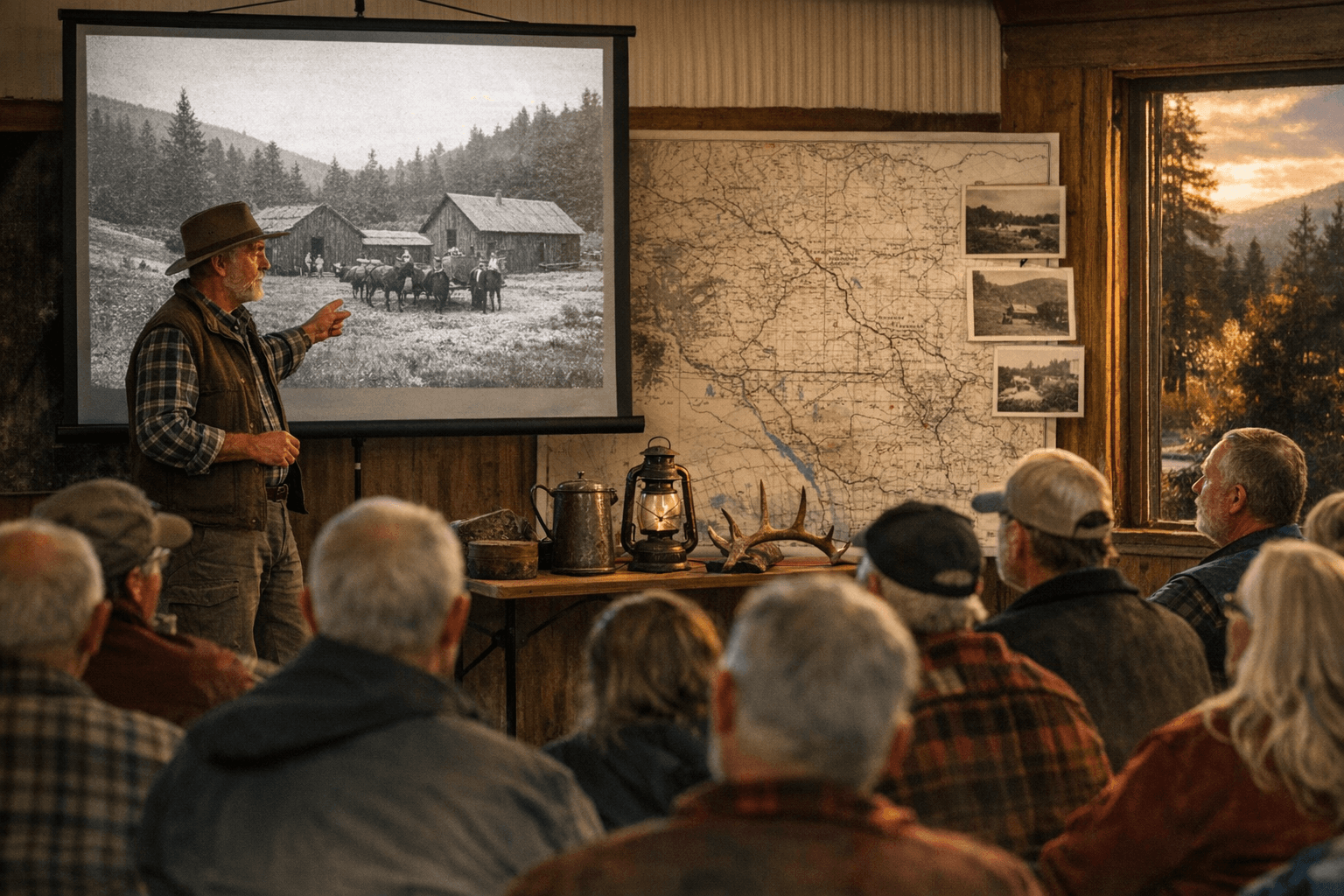
The Kootenai County Historic Preservation Commission invited residents to a series of public presentations about the history of Cougar Gulch, holding one session on Jan. 9 as part of broader outreach. The announcement included presentation dates and contact information for people seeking more details, and aimed to increase community participation in local historic programming.
Historic preservation work may sound niche, but it touches everyday life in practical ways. Preserving landscapes, buildings and stories shapes land-use decisions, recreational access and tourism potential that affect local economies and public health. For Kootenai County, conversations about Cougar Gulch are a chance to consider how place-based history contributes to community well-being across neighborhoods in the Panhandle.
Officials and preservation advocates are using the presentations to gather local knowledge and build a shared record that can inform county planning. That process can influence which sites receive maintenance or protection, how trails and green spaces are managed, and which stories are elevated in interpretive materials. Those outcomes in turn affect residents’ access to outdoor recreation, cultural connection and the mental-health benefits tied to community identity and public spaces.
Preservation also intersects with environmental health and safety. Assessments tied to historic sites can surface legacy issues such as contaminated soils or risks from past land uses, and they can drive remediation or land-management choices. Likewise, decisions about public access and infrastructure in places like Cougar Gulch can influence wildfire preparedness, trail safety and equitable access for seniors, families and people with disabilities.
Community participation matters for equity. Who is invited into these historical conversations shapes which voices get preserved and whose histories guide future policy. The Commission’s public sessions are an opening for neighbours, tribal members, longtime residents and newer arrivals to contribute recollections and concerns that may otherwise be overlooked. Making programming accessible in timing, location and format will determine how representative that input becomes.
For local officials, preservation priorities compete with other budget choices that affect health and services, from road maintenance to emergency response. When residents engage with preservation programming, they help set priorities that reflect community values and practical needs.
Kootenai County’s outreach on Cougar Gulch gives residents an opportunity to influence how the area is remembered and managed. Those conversations will shape not only historical markers and stories but also decisions that affect public health, access to outdoor spaces and equitable sharing of resources. Residents who want more information or missed the Jan. 9 session can contact the Historic Preservation Commission for upcoming dates and participation details; continued public involvement will determine what comes next for the Gulch and the county.
This article was produced by Prism’s automated news system from verified source data, official records, and press releases, then run through automated quality and moderation checks before publishing. The system is built and supervised by the people who set the standards it runs under. Read our full AI policy.
Did this article answer your question?