Federal indictment accuses SPLC of funneling millions to extremist informants
A federal grand jury in Alabama accused the SPLC of hiding more than $3 million in payments to extremist-linked informants. In Kootenai County, the case could reopen the Patriot Front fight over hate labels.

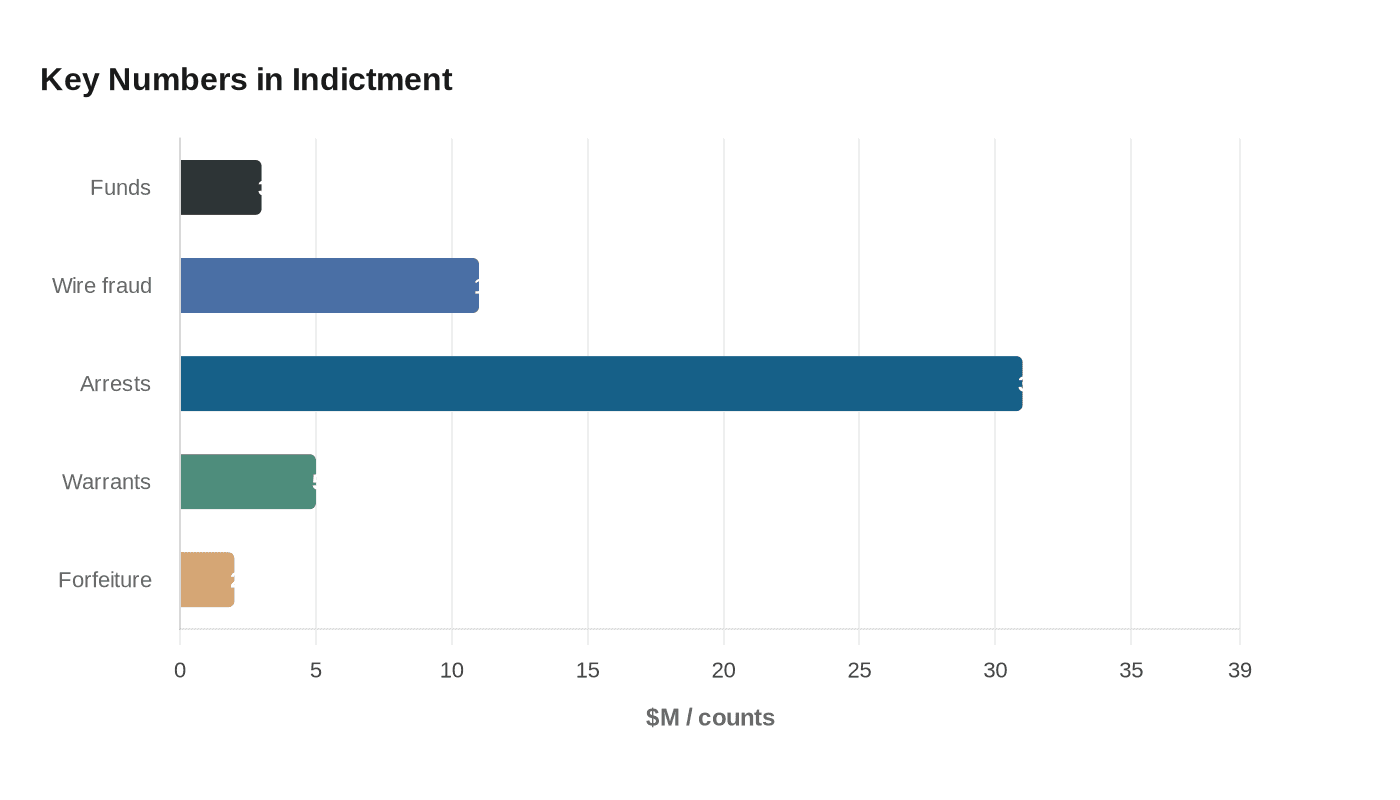
A federal grand jury in Montgomery, Alabama, accused the Southern Poverty Law Center of secretly funneling more than $3 million in donated funds to people tied to violent extremist groups, a case that could ripple into North Idaho’s long-running fight over who gets labeled a hate group. The indictment, announced April 21, charged the SPLC with 11 counts of wire fraud, false statements to a federally insured bank, and conspiracy to commit concealment money laundering.
The Justice Department said the alleged payments ran from 2014 through 2023 and involved individuals associated with the Ku Klux Klan, Aryan Nations and the National Socialist Party of America. Prosecutors in the Middle District of Alabama said the case also included two forfeiture actions and drew investigative help from the FBI and IRS Criminal Investigation. The indictment is an allegation, not a conviction.
The SPLC has built its public identity around the opposite mission. On its website, the organization says it works to dismantle white supremacy, expose hate and anti-democracy extremism, and counter disinformation and conspiracy theories through its Hatewatch and related research projects. That makes the indictment especially combustible for an organization whose hate-map database has long been cited by activists, law enforcement and critics in equal measure.
In Kootenai County, the names at the center of the filing are not abstract. On June 11, 2022, 31 Patriot Front members were arrested in Coeur d’Alene after police said they had piled into a U-Haul and were preparing to disrupt a Pride event. Kootenai County judges later issued arrest warrants for five of the men, and the case quickly became a local reference point in debates over anti-LGBTQ activity and white nationalist organizing.
That history reaches deeper still. Richard Butler’s Aryan Nations established a notorious presence near Hayden Lake in the 1970s, and the group’s compound became one of the country’s most recognizable symbols of organized white supremacy. For readers in Coeur d’Alene, Hayden and the rest of Kootenai County, the new federal case is less about Alabama than about an old local argument: who defines extremism, who profits from that label, and how much outside influence shapes the public story here.
This article was produced by Prism’s automated news system from verified source data, official records, and press releases, then run through automated quality and moderation checks before publishing. The system is built and supervised by the people who set the standards it runs under. Read our full AI policy.
Did this article answer your question?