Governor Brad Little Outlines Proposed Budget Cuts During Coeur d’Alene Visit
Governor Brad Little visited Coeur d’Alene to outline budget cuts aimed at closing a projected shortfall, signaling potential impacts on local services and projects residents rely on.
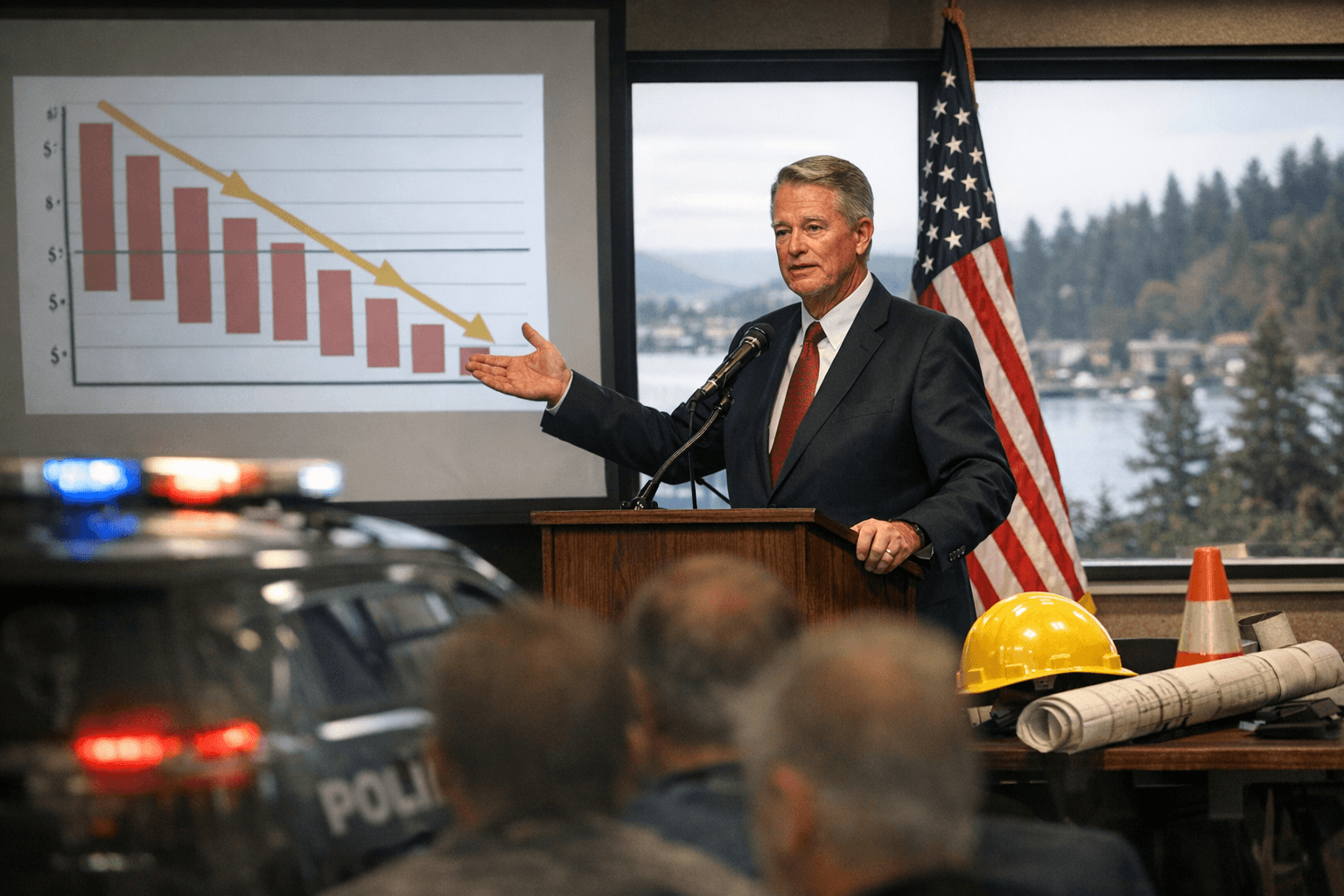
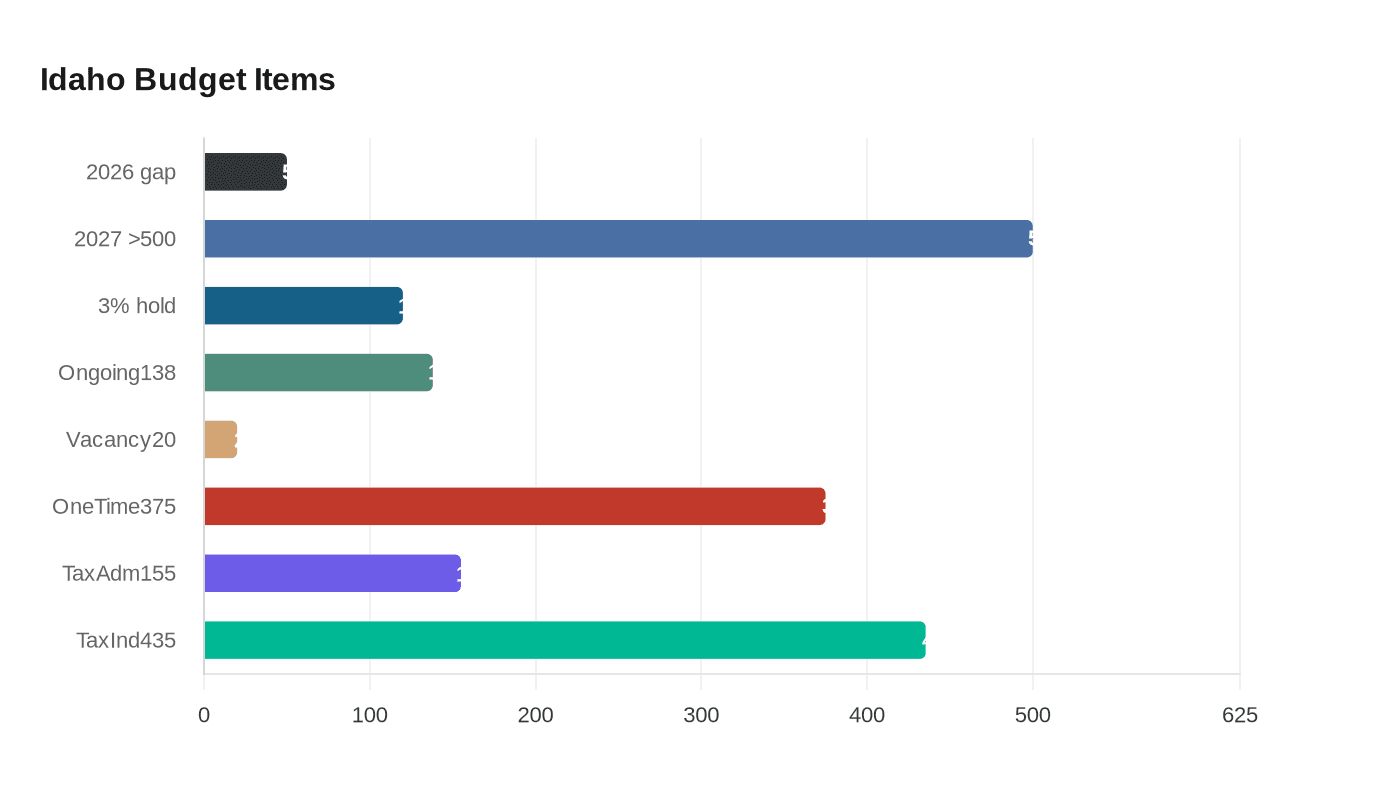
Governor Brad Little told a Coeur d’Alene audience that Idaho faces immediate fiscal pressures and outlined a package of permanent and one-time cuts intended to shore up state finances without tapping the rainy day fund. Little said the state expects a $50 million shortfall in 2026 and warned of deficits "over $500 million by 2027," framing the measures as necessary to live within the state’s means.
Little’s "Enduring Idaho" blueprint centers on making a 3 percent holdback permanent, pursuing targeted program reductions and redirecting one-time dollars. The 3 percent holdbacks were described as totaling $120 million, excluding K-12 education. The plan also includes what the administration counts as more than 100 eliminated vacant positions; estimates of savings for that item vary, with one accounting placing the positions as part of $138 million in ongoing cuts while another projection puts savings from 100 vacancies at roughly $20 million. The administration also proposes $375 million in one-time reductions by reallocating money from the local transportation projects fund, a move that could delay or shrink locally funded road and transit work in Kootenai County.
Medicaid service reductions are part of the proposed cuts, although Lori Wolff, director of the Idaho Department of Financial Management, cautioned that "I think every single Medicaid decision we make, we're going to have to be thoughtful about those things we reduce and how we make sure we look at that continuum of care." Wolff added the majority of cuts are one-time by design and argued the state is "betting on Idaho's economy. All the indicators show we're going to grow." The governor reiterated his opposition to Medicaid expansion and defended the tradeoffs needed to preserve core priorities.
Little emphasized protecting public education and public safety even as he pressed for restraint. He said, "It's not like we are big spenders in Idaho. Compared to other states. But I have to stay competitive and have enough money to do that. Like law enforcement pay and teacher pay. Like I said, we submitted a really strong budget." Despite assurances, state budget leaders asked the superintendent of public instruction for a reduction plan; Superintendent Debbie Critchfield declined, sending a letter refusing to recommend further cuts for the current and next fiscal year.
Tax policy choices complicate the picture. The administration estimated conformity with recent federal tax changes would cost about $155 million, while an independent analysis put the cost at $435.4 million. Little urged lawmakers to adopt conformity, saying "At a time when everything costs more, the Trump tax cuts will provide real relief... They will put more money back in the pockets of Idaho's seniors and working families so they can afford the basics and breathe a little easier." Meanwhile the Legislature approved a bill aligning state law with federal changes and sent it to the governor.
Public pushback has been visible in Kootenai County and beyond, with advocates warning of human consequences if Medicaid services are cut. One attendee summed up testimony by saying, "It really vividly showed the human fallout of the cuts... They are talking about folks, many of whom have loved ones and family members with very serious disabilities, who count on therapy and peer support for really any kind of basic needs."
For Coeur d’Alene and Kootenai County, the stakes are concrete: potential delays or reductions to local transportation projects, changes in Medicaid-covered services, and continued pressure on law enforcement and school budgets. Budget negotiations will continue at the Capitol, with the governor urging legislative buy-in for his proposals and signature decisions pending on tax conformity. Residents should watch JFAC actions, the governor’s final decisions, and local project lists to see how proposed transfers and one-time cuts may reshape community services and construction plans in the months ahead.
Know something we missed? Have a correction or additional information?
Submit a Tip

