Idaho budget cuts could worsen wildfire risk, reduce seasonal firefighters
"Safety within our wildland fire program is paramount," Idaho Department of Lands Director Dustin Miller warned after JFAC approved ongoing cuts of $0.6M to IDL and $1.45M to DEQ.
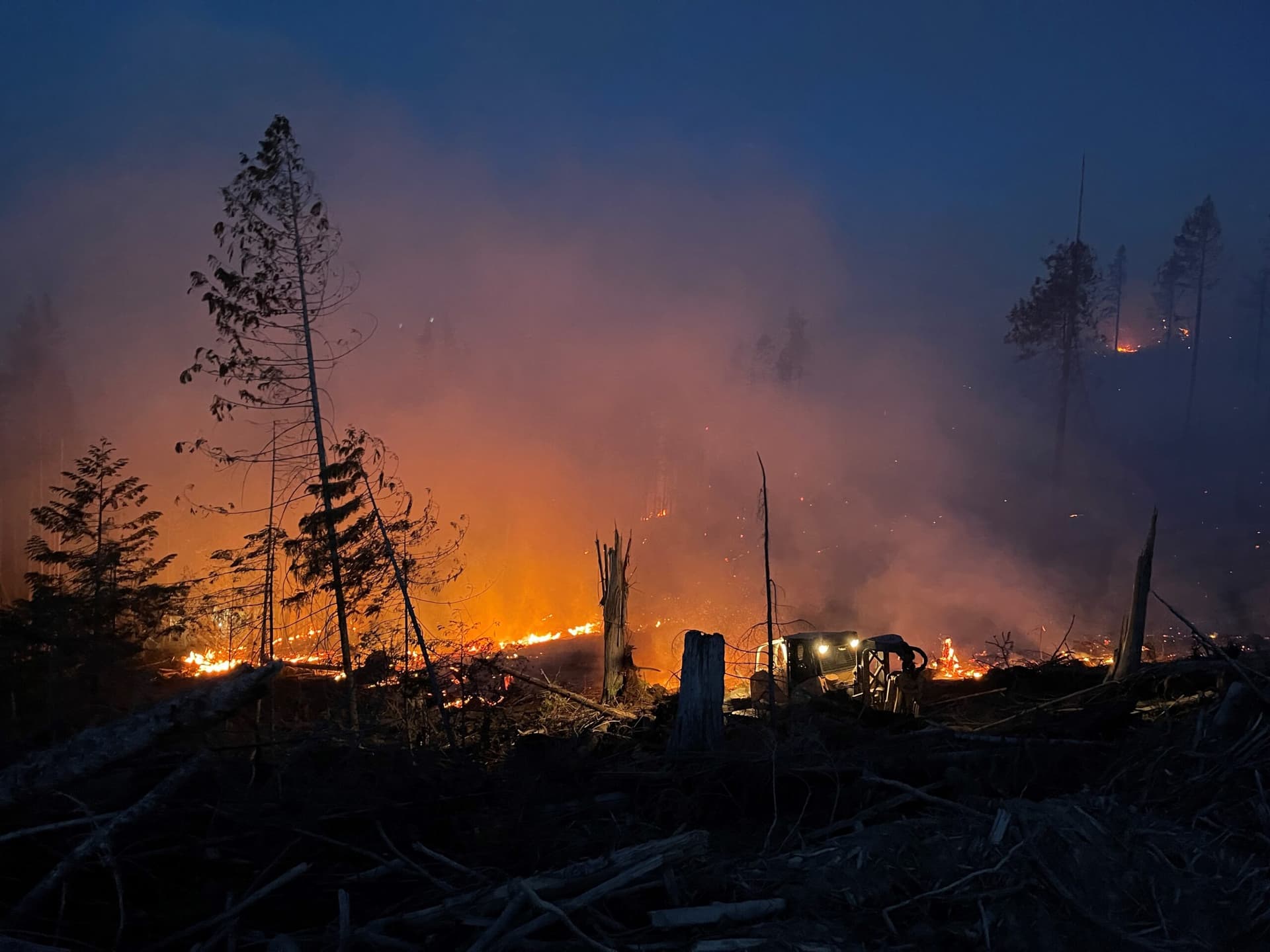
Safety within our wildland fire program is paramount," Dustin Miller, director of the Idaho Department of Lands, said after the Joint Finance‑Appropriations Committee approved a maintenance budget that includes an ongoing $0.6 million reduction for IDL and $1.45 million less in general funds for the Department of Environmental Quality. The votes, taken during JFAC’s maintenance budget session on Feb. 17, 2026, followed warnings from agency leaders that cuts will impair wildfire response and prevention statewide.
Miller warned the reductions will force the department to hire fewer seasonal firefighters and to scale back prevention work. "Any time you engage with fire, the safety of firefighters and the public is the top priority, and with these budget cuts, I am concerned the risk is going to continue to grow," he said, adding that the department will "likely have to pay someone else to fight those fires" if crews cannot be built out.
Operational impacts Miller highlighted include cutting the number of acres treated with fuel treatments such as removing flammable vegetation. "These holdbacks proposed by the Idaho Legislature will cause us to have to cut back the number of acres treated and increase fire risk across the landscape, especially in areas prone to fire," Miller said, noting that fuel treatments can "reduce fire risk and severity and increase safety for firefighters."
Idaho Division of Financial Management Administrator Lori Wolff outlined a range of detrimental impacts in a letter to JFAC, including reduced educational opportunities and a diminished ability to combat wildfires, the committee heard. Several JFAC members said enhancements to restore agency budgets are unlikely to pass given tight statewide budget constraints, though the committee did not rule out bringing forward enhancement requests for IDL or DEQ.
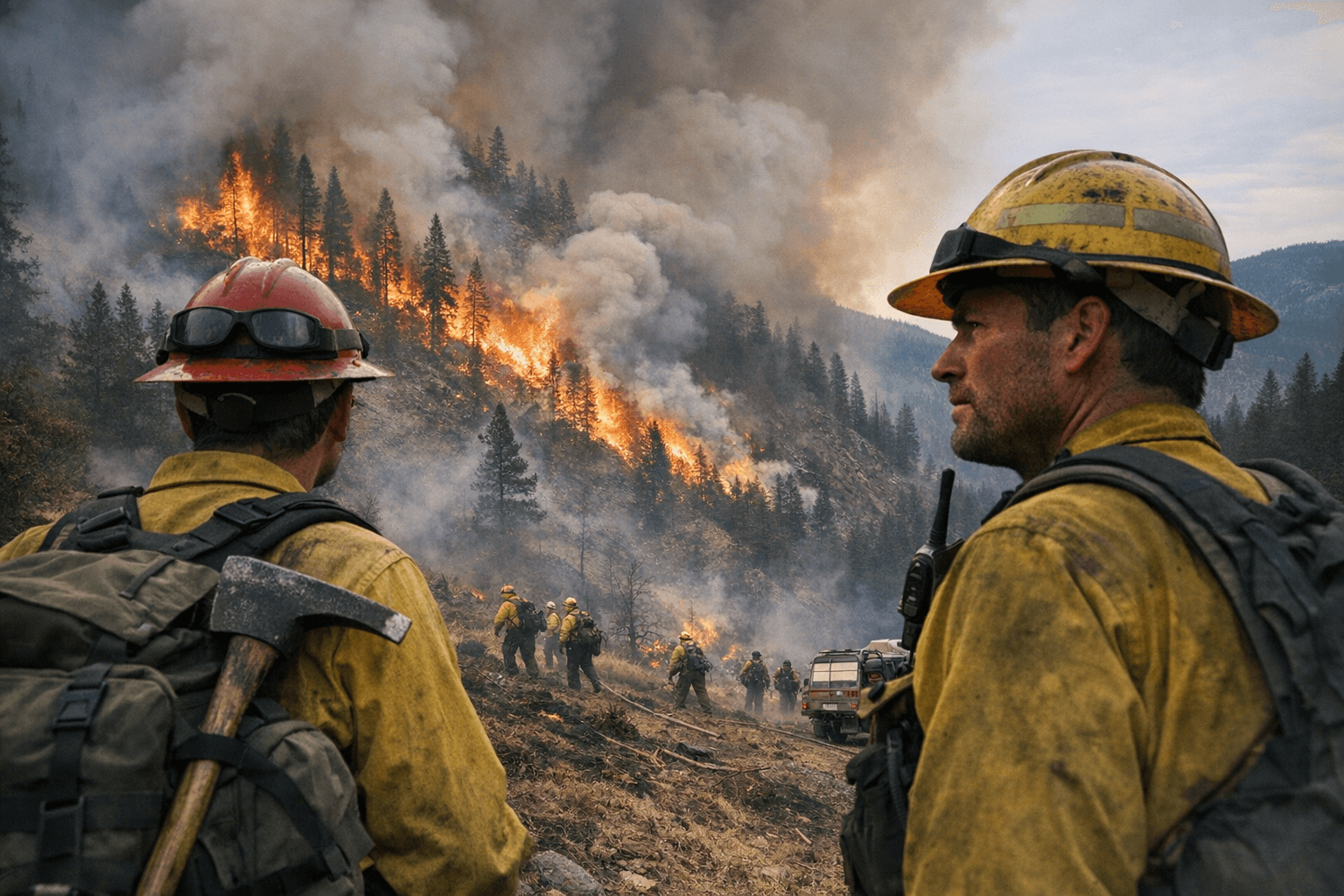
The Idaho budget decisions come as federal leaders and policy changes reshape wildfire finance. U.S. Forest Service Chief Randy Moore told agency employees in a Feb. 8, 2024 letter to "expect budget cuts from Congress in 2024," a signal PreventionWeb described as thin on details but one that raised concerns about workforce reductions. The 2018 Consolidated Appropriations Act created a "fire funding fix" that lets federal firefighting agencies access up to $2.25 billion in additional disaster funding a year starting in 2020 and rises to $2.95 billion in 2027, a change that previously relieved suppression pressure on the Forest Service budget.
Washington’s recent experience provides a comparative warning. The Washington Legislature cut wildfire funding in half last year, breaking a 2021 commitment to provide $500 million over eight years; Pat Sullivan, director of governmental and external affairs for the Washington Department of Natural Resources, warned, "It will have an impact on the upcoming fire season, and even more so in 2027 if we don’t get additional funding." Washington lawmakers have been weighing measures such as eliminating a mortgage lender tax break to backfill prevention accounts, and state‑federal cross‑boundary prescribed fires such as those in Aeneas Valley in 2023 illustrate the kinds of collaborations Idaho officials say they may need to lean on more heavily.
If the Idaho cuts remain in place, Miller and DFM warnings point to a tangible shift: fewer seasonal firefighters, fewer acres treated, and increased dependence on federal suppression that could change how the state pays for wildfire response. With population growth, longer fire seasons and expanding wildland‑urban interface areas in Idaho, agency leaders say the risk profile for Kootenai County and other northern Idaho communities will rise unless funding is restored.
Know something we missed? Have a correction or additional information?
Submit a Tip

