Idaho teachers union votes no confidence in Gov. Little over school bill
Idaho's largest teachers union voted no confidence in Brad Little after he signed a law limiting union activity in public schools, a fight that will reach Kootenai County classrooms.

Idaho’s largest teachers union has broken with Gov. Brad Little after he signed a law that sharply limits how public schools and charter schools can support union activity, setting up a new labor and political fight that reaches into North Idaho classrooms and school board meetings.
The Idaho Education Association voted overwhelmingly over the weekend to express no confidence in Little during its Delegate Assembly, the union’s annual business meeting. Leaders said the governor had ignored hundreds of emails and phone calls urging him to veto House Bill 516, which Little signed on April 10. The law takes effect July 1.
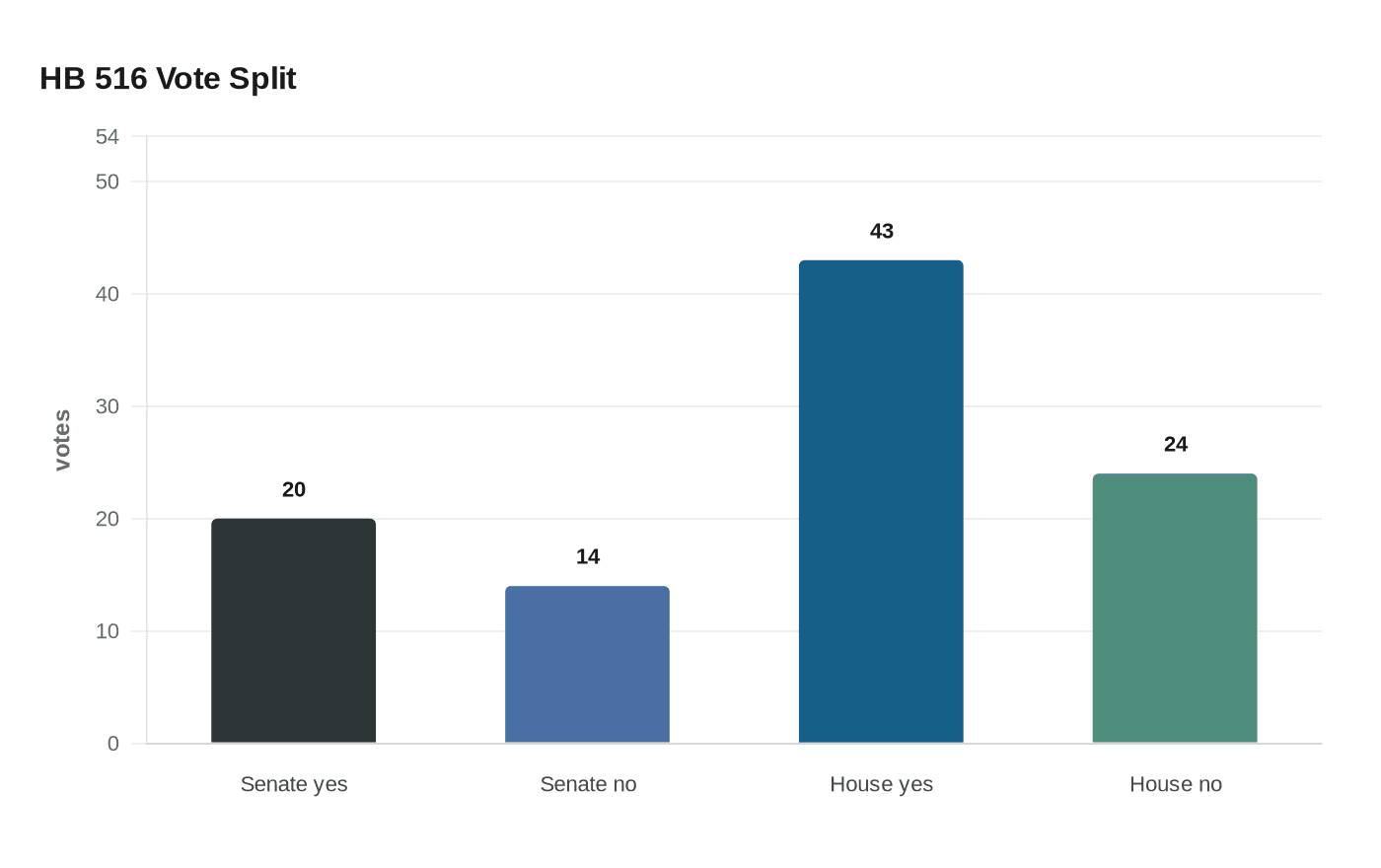
House Bill 516 cleared the Idaho Senate on a 20-14 vote on March 31 and later passed the House 43-24 after a fast, heavily amended three-day push late in the session. The measure bars public schools and public charter schools from using taxpayer-funded resources or facilities for a range of union activities, including payroll deduction of dues, distributing union communications, sharing employee information beyond legal requirements, compensating employees for union activity and paying teachers to attend union meetings or do union work while on the job.

Layne McInelly, president of the Idaho Education Association, said members were angry and frustrated with Little’s decision and believed he had many reasons to veto the bill. The union had backed Little in the 2018 general election and again in the 2022 Republican primary, making the withdrawal of support a notable political reversal ahead of the May 19, 2026, gubernatorial primary.
The dispute lands at a tense moment for public schools statewide. Idaho district and charter enrollment fell by 3,042 students, about 1%, in fall 2025-26, adding pressure to districts already balancing staffing, budgets and parent concerns. In Kootenai County, where school boards regularly field complaints about curriculum, staffing and classroom climate, the law will affect how much time educators can spend on union business during the school day and how district offices handle union communications and payroll processes.
The IEA also considered revoking Little’s Champion of Education award from 2024, but kept it in place, signaling how far the break has gone without completely erasing the relationship. The union last publicly withdrew support from an elected leader in 2024, when it rescinded its endorsement of Rep. Ted Hill. Hill had sponsored bills opposed by the union, another sign that the organization has become more willing to punish officials it sees as hostile to public education priorities.
For teachers in Coeur d’Alene, Post Falls, Lakeland and the rest of Kootenai County, the practical effect will be felt less in Boise speeches than in daily routines: fewer school-day channels for union work, a tighter line between district operations and organizing, and a sharper divide over who gets to shape school policy from inside the building.
This article was produced by Prism’s automated news system from verified source data, official records, and press releases, then run through automated quality and moderation checks before publishing. The system is built and supervised by the people who set the standards it runs under. Read our full AI policy.
Did this article answer your question?


