Jurors weigh poaching case involving mountain lions, bobcats in North Idaho
Jurors in Coeur d’Alene convicted a St. Maries family of hiding evidence in a poaching case tied to four mountain lions, eight bobcats and revoked hunting privileges.
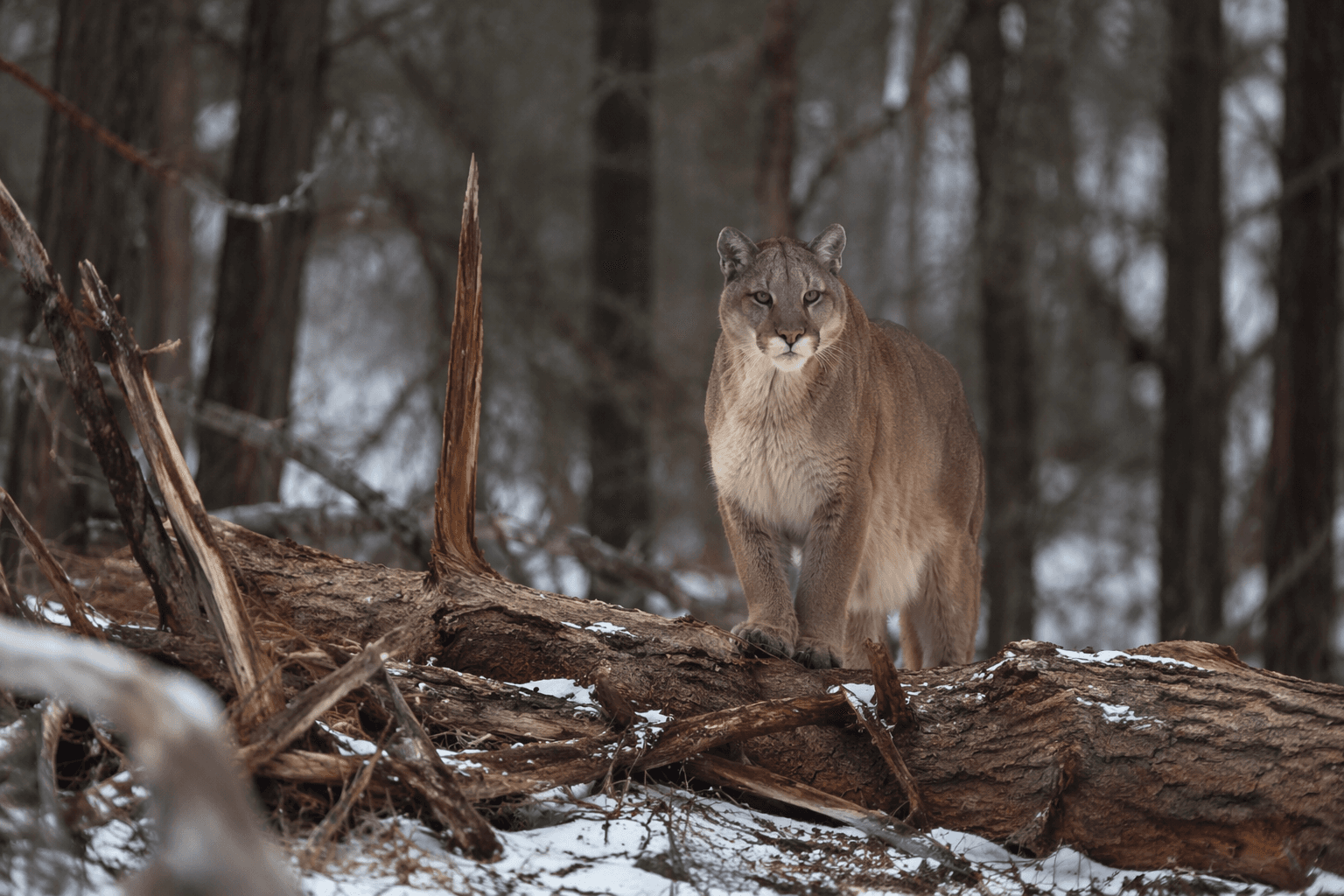
Jurors in Coeur d’Alene took up a North Idaho wildlife case that reached far beyond one St. Maries family. Eddy Dills, Angela Dills and their adult son, Daniel Dills, were accused of illegally killing four mountain lions and eight bobcats across Kootenai, Shoshone, Benewah and Latah counties, putting hunting ethics, wildlife enforcement and public trust in the same courtroom.
A Kootenai County grand jury indicted the three in August 2025 on conspiracy to commit unlawful killing of wildlife, conspiracy to sell unlawfully killed wildlife and conspiracy to conceal evidence. Prosecutors said the conduct stretched from May 2024 through February 2025. The investigation carried extra weight because Eddy Dills had already lost his hunting privileges for life in 2019 after a Washington cougar-with-dogs case, and Daniel Dills had his license revoked for three years starting in 2024 after a separate Latah County wildlife case.
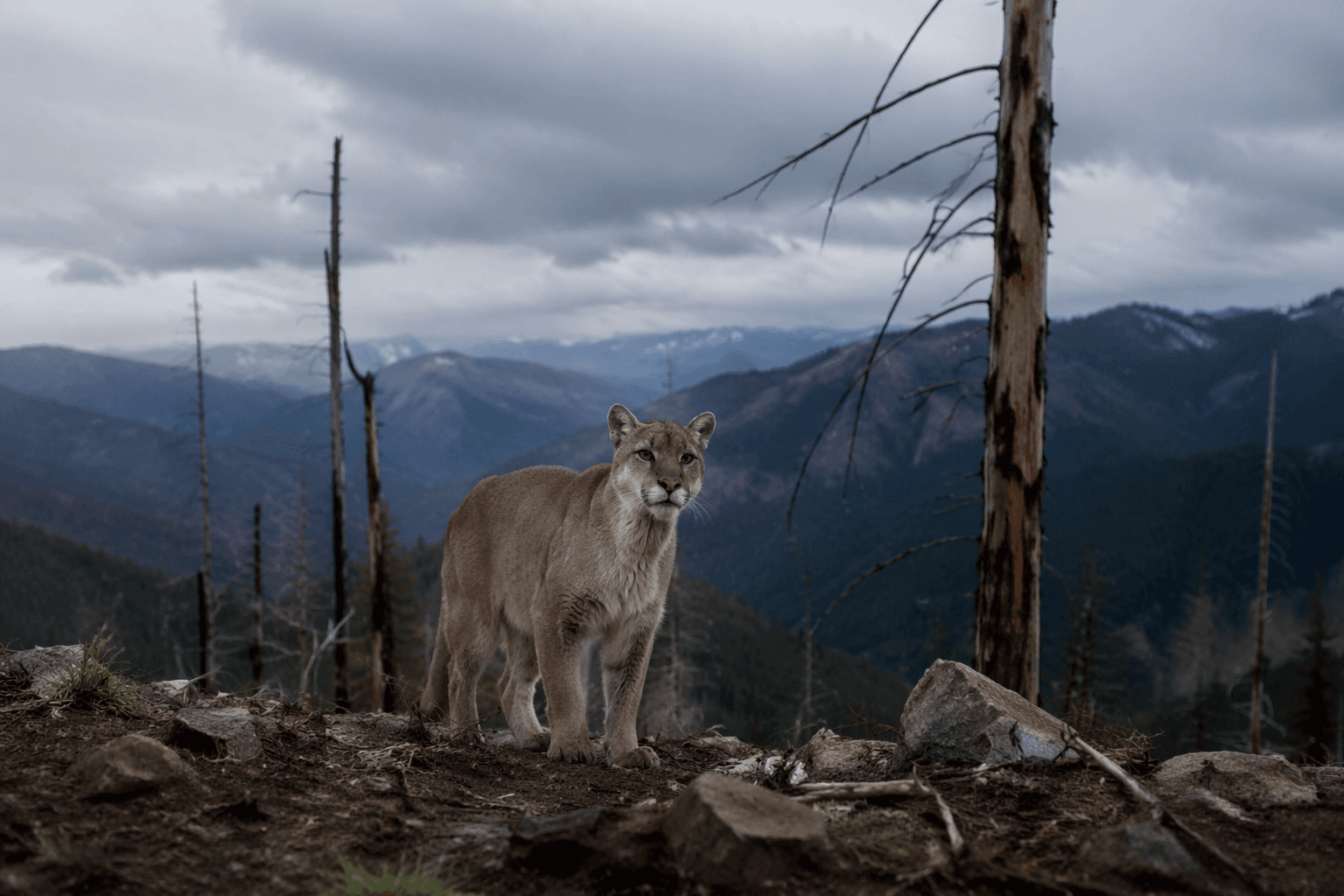
The state’s case centered on a pattern, not a one-off mistake. Prosecutors said Eddy and Daniel Dills used hunting dogs to tree mountain lions and hunted near bobcat traps, then tried to cover their tracks after the kills. Investigators described blood trails, tire tracks and dog tracks, along with a mountain lion shot through the eye and a carcass dumped down an embankment. Angela Dills was accused of filling out mortality and harvest reports for animals her husband and son had killed and of selling carcasses and hides to Moscow Hide and Fur, sales that earlier reporting put at just over $1,700.
The case also highlighted how Idaho regulates predators. Idaho Fish and Game rules require hunters to leave evidence of sex naturally attached to the carcass, or the hide for mountain lion, black bear and wolf when boned. The state’s 2026 mountain lion and gray wolf seasons run from July 2026 through June 2027, underscoring that these animals are managed under tight seasonal and unit-specific rules, not treated like ordinary game.
After about 10 hours of deliberation, the Kootenai County jury returned a mixed verdict on June 13, convicting all three Dillses of conspiracy to conceal evidence and acquitting them on the other conspiracy charges. The concealment conviction carries a maximum penalty of five years in prison. Sentencing is set for Aug. 31 before First District Judge John Cafferty. For Kootenai County, the result leaves a clear mark: jurors were willing to punish efforts to hide wildlife crimes even as they drew a line short of the broader poaching allegations.
This article was produced by Prism’s automated news system from verified source data, official records, and press releases, then run through automated quality and moderation checks before publishing. The system is built and supervised by the people who set the standards it runs under. Read our full AI policy.
Know something we missed? Have a correction or additional information?
Submit a Tip