Kootenai County Emergency Planners Meet to Update Hazard Response Protocols
Near-miss incidents and hazmat inventory updates topped the agenda at the Kootenai County LEPC's March 25 meeting, as planners tightened evacuation and shelter-in-place protocols.
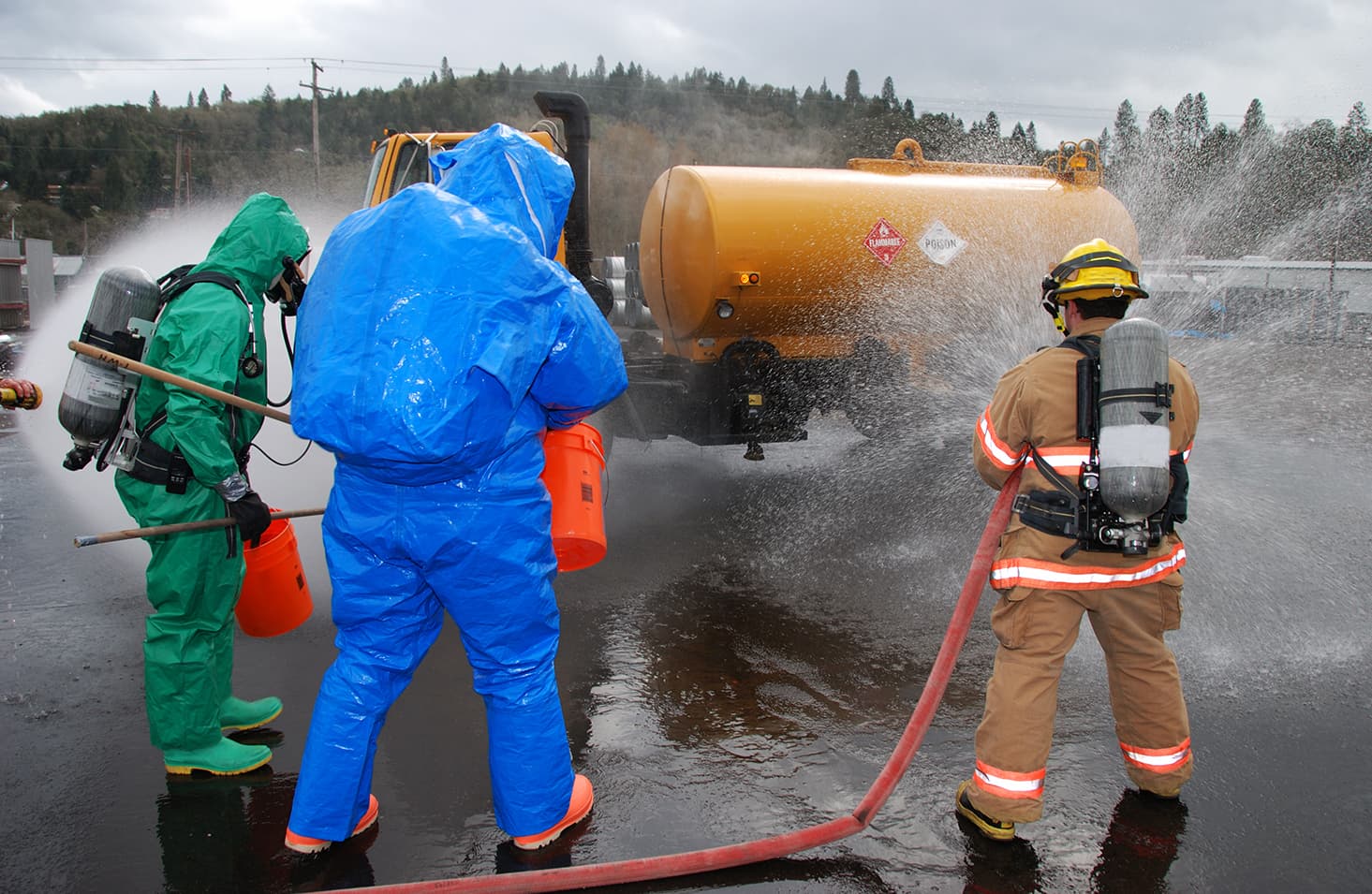
Regional near-miss incidents drove discussion at the Kootenai County Local Emergency Planning Committee's March 25 meeting at the Office of Emergency Management, where planners reviewed hazardous-materials inventories, interagency radio communication and public protocols for shelter-in-place and evacuation.
The LEPC draws its membership from across the county's public safety infrastructure: emergency managers, law enforcement and fire agencies, public health officials, school and hospital emergency planners, public works staff, and private-sector representatives from industries that handle regulated materials. That cross-sector composition reflects the range of threats the committee plans for, including hazardous-materials releases, floods and wildland-urban interface fires.
Kootenai County's geography makes that planning particularly consequential. The county hosts major transportation corridors, active rail lines and manufacturing sites, meaning an accidental chemical release or multi-agency incident can escalate rapidly and reach populated areas with little warning.
The March 25 agenda addressed several operational layers. Members reviewed updates to hazardous-materials inventories and Tier II reporting, which tracks regulated chemicals stored or used at facilities across the county. Interagency communication channels received scrutiny as well, including radio interoperability and dispatch routing procedures that determine how quickly first responders coordinate once an incident unfolds.
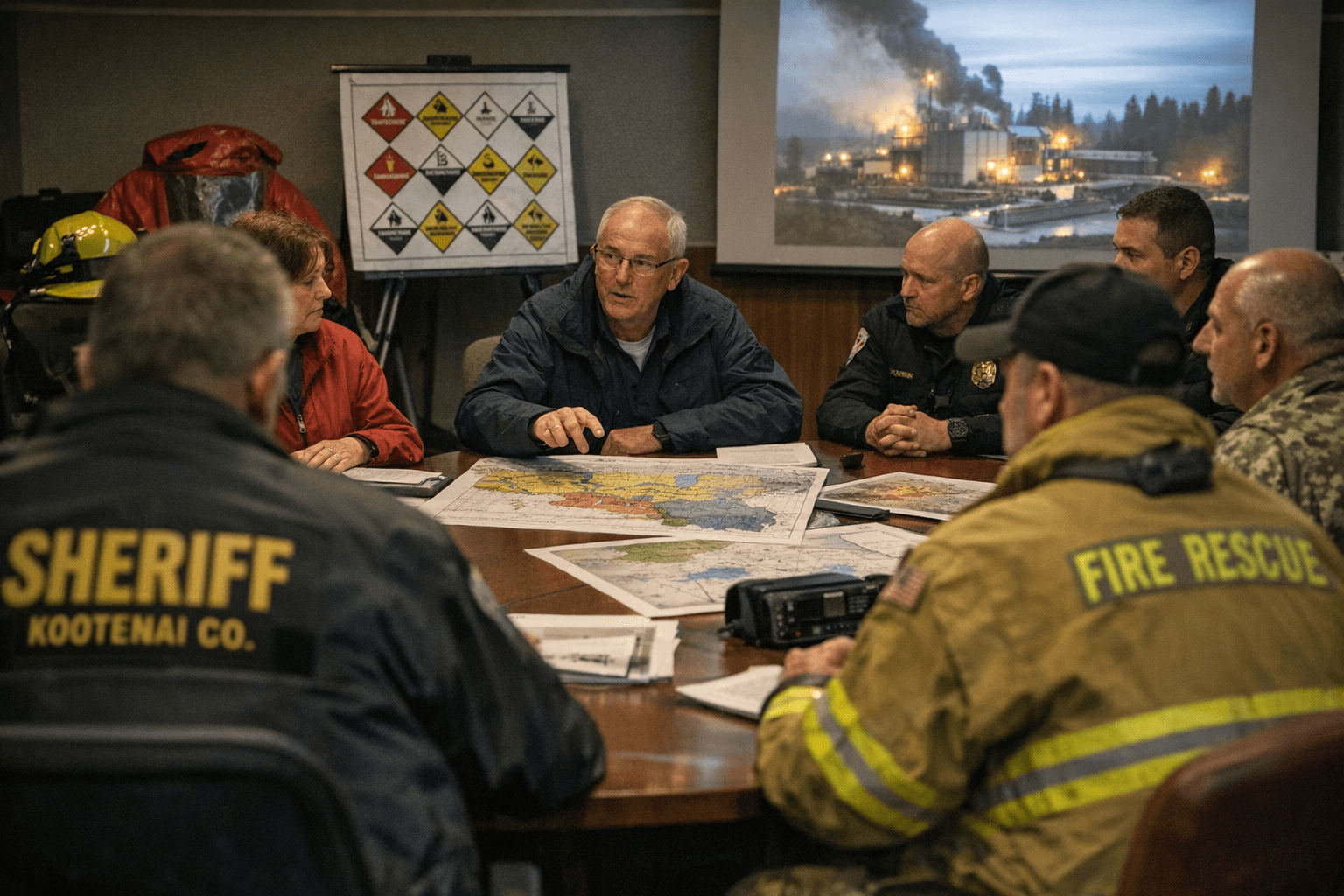
Public outreach occupied a separate strand of discussion: how to better prepare residents on shelter-in-place procedures and evacuation routes before those protocols are needed in a real emergency. The committee also reviewed training calendars and planned tabletop exercises designed to test coordination between county departments, hospitals and neighboring jurisdictions.
Emergency management staff described the LEPC's core function as translating planning documents into operational readiness, with the emphasis on making existing plans executable and well-drilled rather than generating new policy. Members noted that consistent industry participation accelerates incident stabilization by improving situational awareness before and during an event.
Agendas and meeting minutes from the LEPC are posted publicly on the county and sheriff's office websites. Future meetings will focus on refining exercise scenarios, updating the county's hazard inventories and strengthening cross-jurisdictional response agreements. Residents can sign up for county emergency alerts and obtain localized preparedness guidance through the Kootenai County Office of Emergency Management.
This article was produced by Prism’s automated news system from verified source data, official records, and press releases, then run through automated quality and moderation checks before publishing. The system is built and supervised by the people who set the standards it runs under. Read our full AI policy.
Did this article answer your question?