Kootenai County Faces Worsening Drought as Fernan Lake Shows Thin Ice
A thin layer of ice formed on Fernan Lake as local snowpack in the Panhandle mountains worsened, signaling water stress and higher wildfire and public-health risks for Kootenai County.
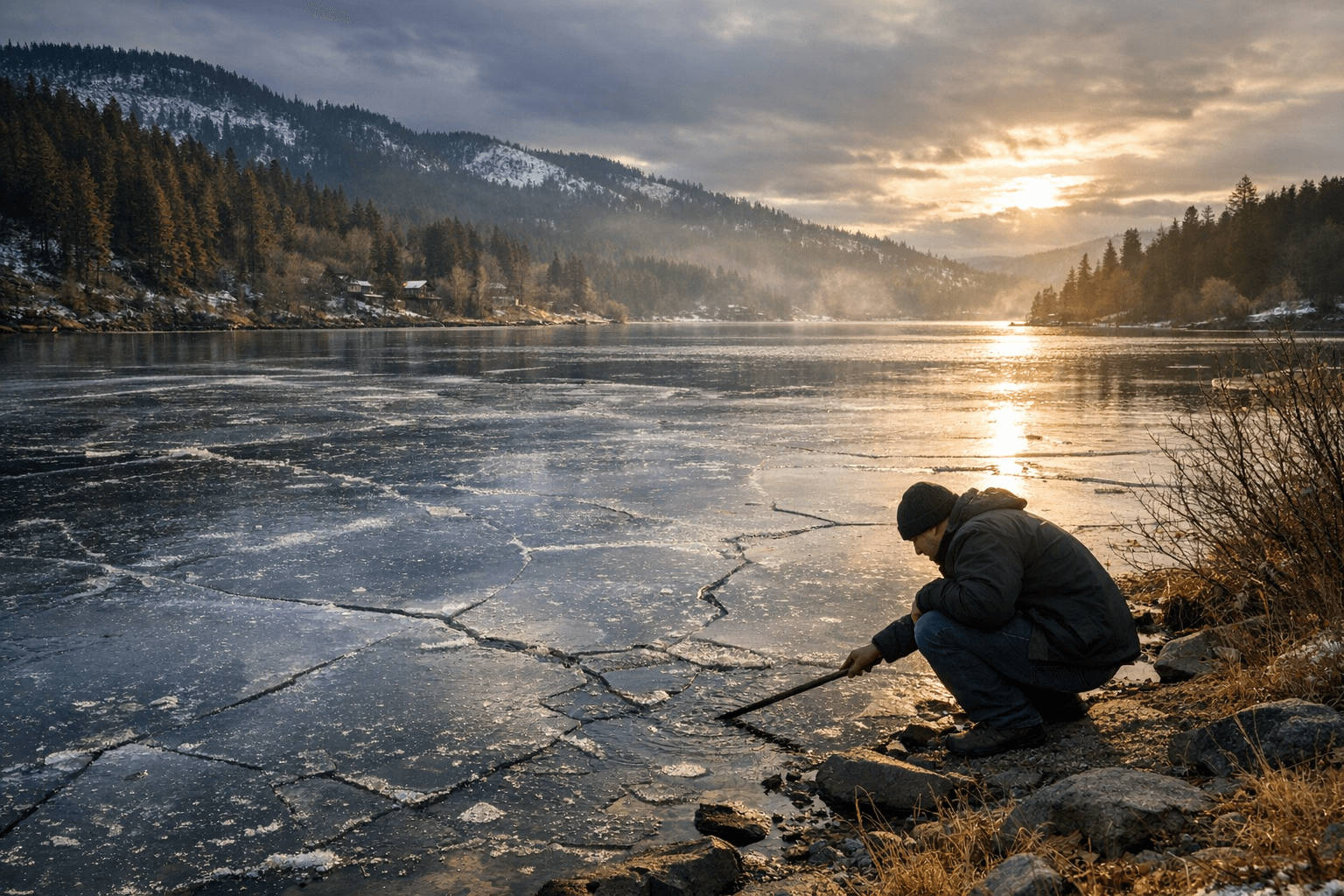
Bill Buley documented a thin crust of ice on Fernan Lake as local snowpack conditions deteriorated, writing, “A thin layer of ice forms over Fernan Lake on Sunday.” Buley reported that “a lackluster winter with low snowpack in the Panhandle mountains worsened in January,” a worrying local sign even as some months earlier brought heavy precipitation: “Although there was 200% of normal precipitation in December, the region’s snowpack took a”
The local scene sits inside a broader western trend. The U.S. Drought Monitor maps show more than one-third of the West under some form of drought, and Utah is especially hard hit with more than 94 percent of the state in Moderate Drought and more than 40 percent in Severe Drought. NOAA has described the current pattern as a snow drought, noting that “The snowpack typically acts as a natural water reservoir. However, without an adequate snowpack to slowly release water through the spring and summer snow melt, rivers run lower, soils dry out earlier, and drought conditions can deepen and linger.” Jon Meyer, assistant Utah state climatologist, summarized the season for the region: “This winter, we've just had an extreme lack of storm activity, and the storms that we have had have either brought very small amounts of snowfall or have brought rain.”
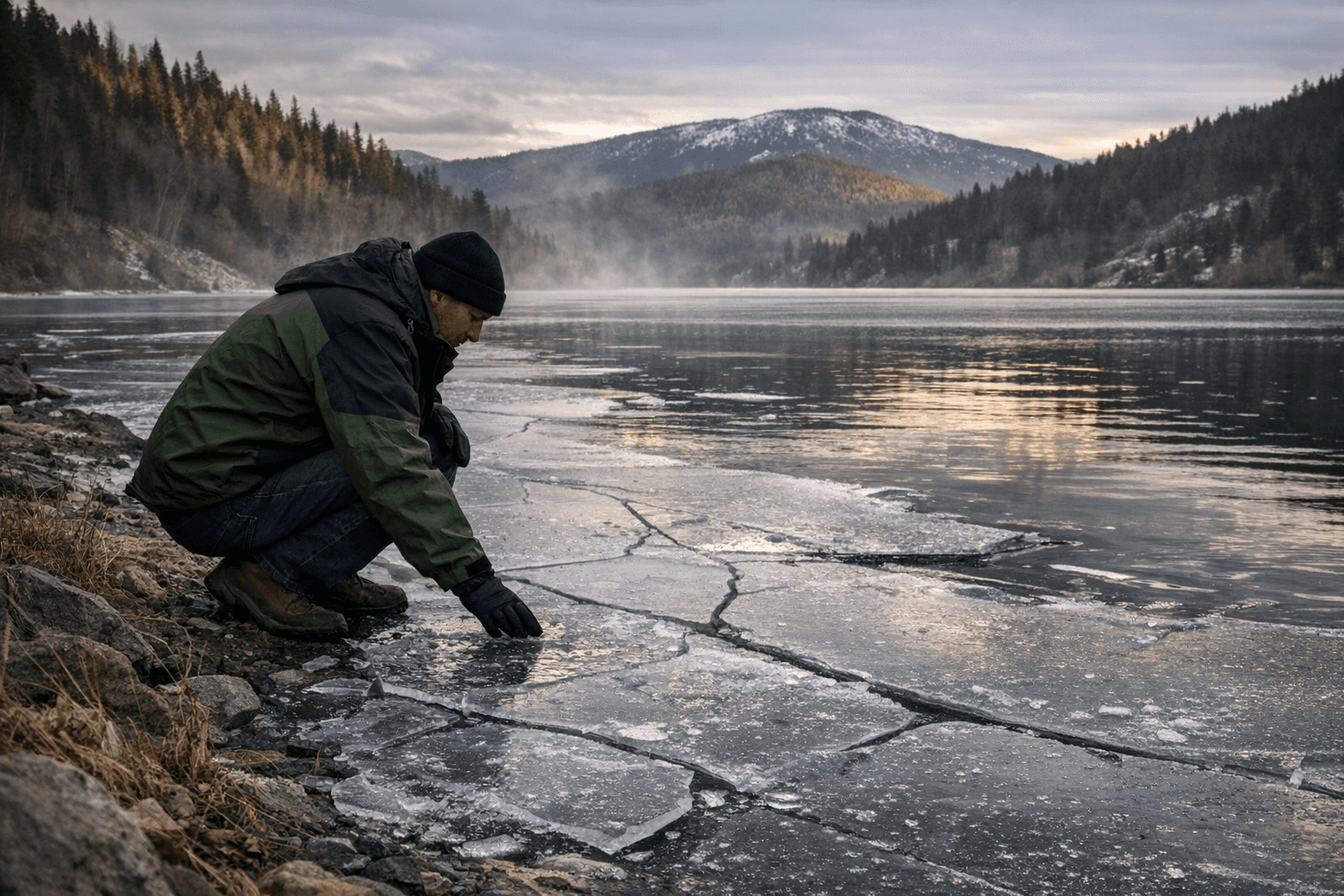
For Kootenai County residents, those mechanics matter. Fernan Lake and flows from the Panhandle mountains feed local recreation, irrigation and groundwater recharge. A weak snowpack can translate to lower reservoir inflows, earlier soil drying and a longer window of high wildfire risk in late summer. Public-health consequences follow: drought and low flows can degrade water quality, promote algal blooms and increase dust exposure, heightening risks for waterborne disease and respiratory problems, a pattern noted by the Canadian Climate Institute, which warned that “drought can degrade water quality and promote algal blooms, which are increasingly common in Ontario’s Great Lakes, and waterborne diseases. Meanwhile, dusty conditions can worsen respiratory problems.”
Across the border, Agriculture Canada reports mixed December outcomes as some northern areas improved while pockets in Quebec and the Gaspé worsened. The Yukon saw extreme monthly precipitation at some stations, with Whitehorse at 418 percent of normal and Watson Lake at 325 percent, even as parts of the Northwest Territories remain strained and major northern rivers and lakes sit well below average.
Longer term, international assessments add urgency. The OECD and UNCCD project that by 2050 more than 1.6 billion people could be exposed to severe and extreme drought, and that up to 700 million people could face displacement due to drought by 2030. Those projections underscore how local weather patterns link to global trends in temperature, runoff and water demand.
For readers in Kootenai County, the immediate implications are practical: watch for county and state water advisories, expect early-season river and trail impacts, and prepare for a wildfire season that could arrive sooner and burn hotter. Local water managers, public-health officials and community groups will need to prioritize equitable water access and preventive outreach as the region moves from a thin skin of ice on Fernan Lake into an uncertain spring.
Know something we missed? Have a correction or additional information?
Submit a Tip