Kootenai County fairgrounds farm program expands to 1,900 students
Farm to Table now reaches 1,900 students, turning a Kootenai County field trip into a workforce pipeline for farms, food systems and water knowledge.

A countywide classroom at the fairgrounds
The Kootenai County Fairgrounds’ Farm to Table program has grown from a one-day outing into a weeklong agricultural experience for about 1,900 students, including children from schools in Kootenai County and some from Shoshone County. What began as a modest lesson in where food comes from is now one of the county’s clearest investments in the next generation of farm, food and water workers.
General manager and CEO Alexcia Jordan described the program’s growth as exponential, and the numbers back that up. The fairgrounds now uses Farm to Table to connect fifth graders not just with vegetables and livestock, but with the wider economic system that keeps agriculture working in North Idaho. The result is part field trip, part workforce preview and part community memory.
What students actually learn
The fairgrounds says Farm to Table is an interactive field trip for fifth graders built around stations that include beef, dairy, sheep, vegetables, soils, water, bees, wheat and more. The event is designed to increase awareness of how food and fiber products are produced and to highlight agriculture’s role in the U.S. economy.
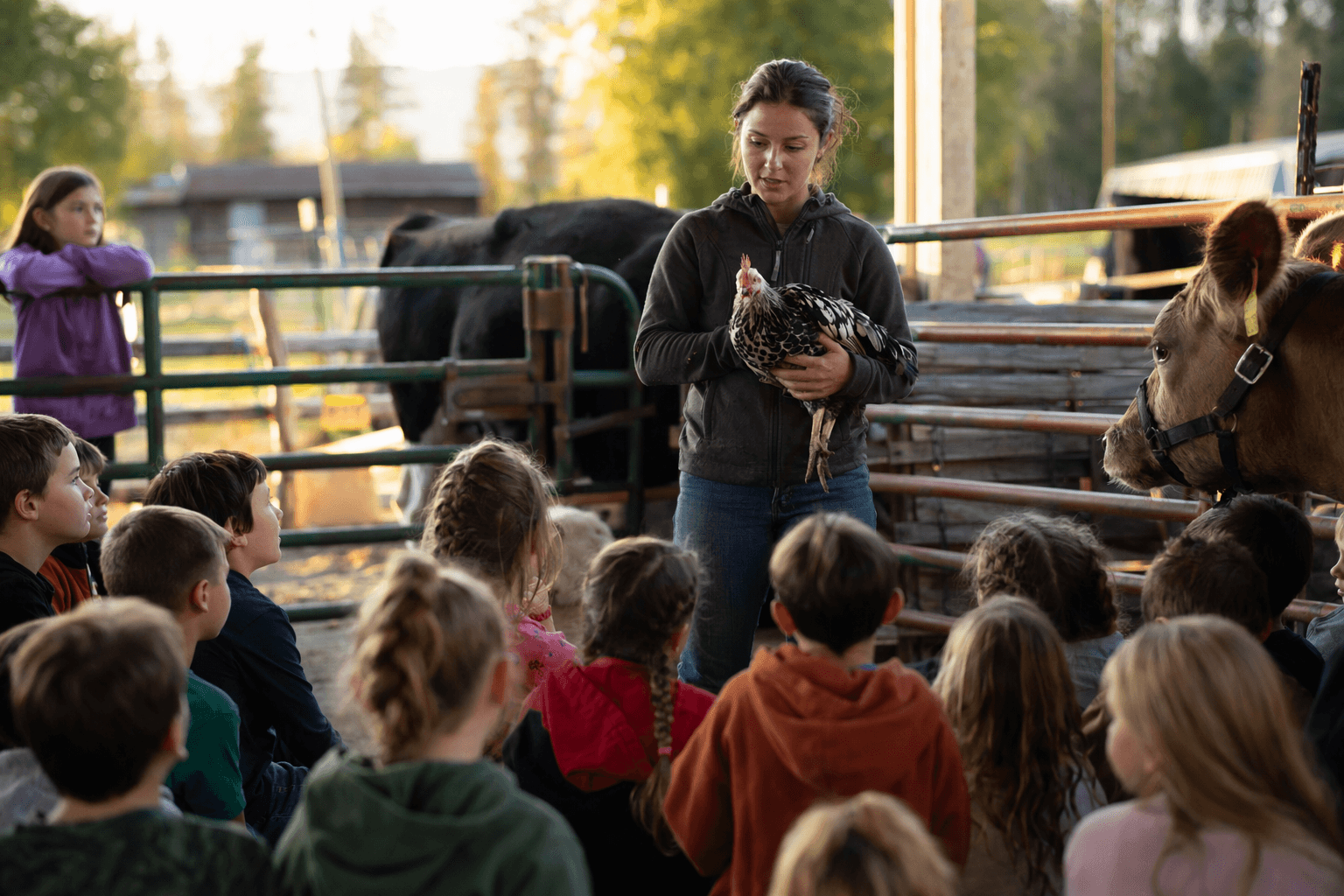
That structure matters because the lessons are not abstract. Students move from one station to the next and see how animals, crops, soil and water all fit together. In a region where agriculture depends on both land and infrastructure, the program gives children a vocabulary for understanding the local economy before they ever enter it as workers, voters, landowners or consumers.
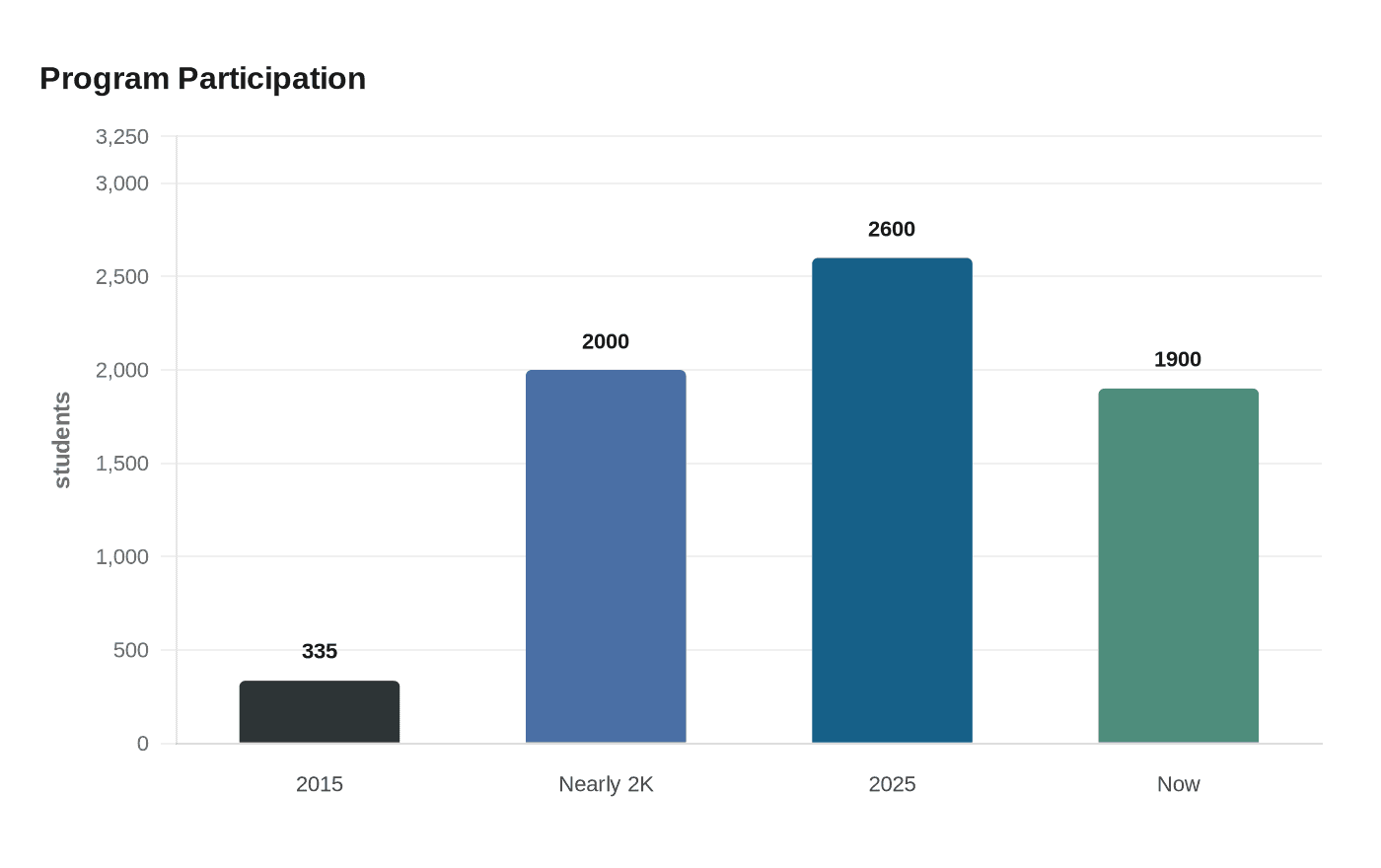
A March 2026 report said the 2025 event added another layer of scale, welcoming nearly 2,600 participants over four days, including students, teachers, chaperones, presenters and volunteers. That year, 66 fifth-grade classes came from the Lakeland Joint, Post Falls and Coeur d’Alene school districts, a reminder that the program reaches well beyond one campus or one town.
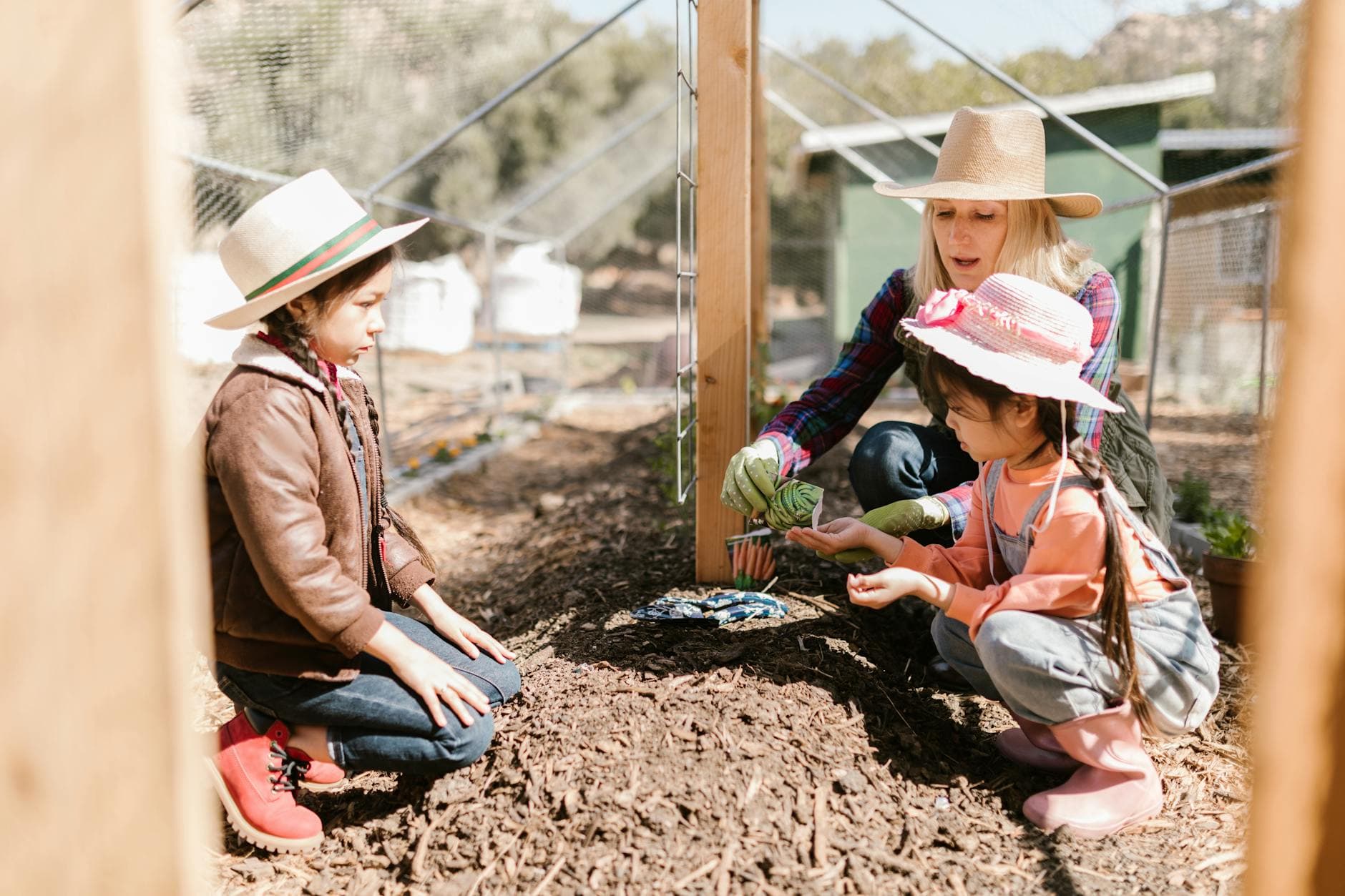
The 2025 rotation also showed how the curriculum has expanded with the industry itself. Students moved through nine hands-on stations focused on agriculture, including hydroponics, crop and meat production, regenerative grazing, bees and agricultural careers. In other words, the fairgrounds is not only teaching traditional farm basics, it is introducing students to the newer and more technical sides of food production.
Why water, land use and infrastructure are part of the lesson
One of the strongest examples of that broader approach came from Rich Agueros of United Crown Pump and Drilling, who used his irrigation session to walk students through questions about water, dry farming, aquifers and the history of agriculture in the Rathdrum Prairie area. His presentation helped show that farming is not only about planting and harvesting.
.jpg%26cb%3DFF76E671&w=1920&q=75)
It is also about water systems, land use and the infrastructure that makes food production possible. For Kootenai County, that is a crucial lesson. The same ground that produces hay, vegetables and livestock feed also depends on wells, pumps, irrigation knowledge and long-term stewardship of local water supplies.
That is why the program lands well beyond the fairgrounds. Students are not just hearing that agriculture matters. They are seeing how producers, drillers, educators and volunteers all fit into the same chain of production. In a county where growth and land use decisions continue to shape the future, those connections are as important as the farm facts themselves.
A program built by Linda Rider and Joy Crupper
Farm to Table began in 2015, when Linda Rider and retired Lakeland educator Joy Crupper launched the program, according to the Idaho Farm Bureau. That first year hosted 335 students. Over time, the program grew into a four-day event with nearly 2,000 students, then expanded again into the weeklong model now serving about 1,900 students.
The Idaho Farm Bureau identifies the full name as the Kootenai County Farm to Table Agriculture Education Activity Days and describes it as a joint effort of the Kootenai County Fairgrounds and the Kootenai/Shoshone Farm Bureau. The fairgrounds’ own event page also shows how established the program has become, with archived pages for 2015, 2016, 2017, 2018, 2019, 2022, 2024 and 2025.
That long run matters because it shows this is not a one-off outreach effort. It is a durable program that has been built, year after year, into the county’s agricultural calendar. When a fairground event keeps its own archive for a decade, it signals something deeper than novelty. It signals institutional commitment.
Linda Rider’s legacy still shapes the program
This year carried added emotional weight because it was the first Farm to Table without Linda Rider, the longtime agriculture advocate whose vision helped launch the program. Rider died in December 2025, and donations to her memorial account were designated for agricultural education programs such as Farm to Table.
Her belief that agriculture and storytelling belong together still anchors the program’s purpose. In 2024, Rider said agriculture and storytelling “go together” and noted that farmers and ranchers often need help telling their own stories because they are humble and private. That idea explains why Farm to Table resonates so strongly in Kootenai County. It does more than teach agricultural terms. It gives children a story about where food comes from, who produces it and why that work matters.
That legacy also gives the program a practical edge. If students understand the story of local agriculture early, they are more likely to recognize the career paths tied to it later, whether that means farming, agribusiness, irrigation, livestock, beekeeping or food production support.
Why the expansion matters for Kootenai County
Farm to Table now functions as a local workforce pipeline as much as a school activity. It introduces fifth graders to the science, business and infrastructure behind the region’s farm economy while keeping the emotional connection to place that Rider valued. It also depends on the kind of cooperation that rural economies often require: volunteers, presenters, fairground staff, educators, the Farm Bureau and local businesses all helping to carry the load.
Kootenai Electric Cooperative’s support for the 2025 event was one example of that broader community backing, and Agueros’ participation showed how private sector expertise fits into the lesson plan. The program’s growth to about 1,900 students, and its much larger 2025 participant total, shows that the county has built something more durable than a field trip.
It has built a public investment in agricultural literacy, one that ties land, water, history and labor together in a way children can see and remember. That is what makes Farm to Table more than a school outing. It is a working model for how Kootenai County can prepare its future farm economy one fifth grader at a time.
This article was produced by Prism’s automated news system from verified source data, official records, and press releases, then run through automated quality and moderation checks before publishing. The system is built and supervised by the people who set the standards it runs under. Read our full AI policy.
Did this article answer your question?


