Kootenai County Fairgrounds thrives year-round thanks to volunteers and events
Kootenai County Fairgrounds hum all year with volunteers, livestock families and event crews, not just during August fair week. In 2025, 327 events filled 903 event days.

The Kootenai County Fairgrounds is busiest when fair week arrives, but the real story is what happens before the rides open and after the midway goes dark. Across the grounds, volunteers set tables for fundraisers, livestock families prep for shows, and crews paint railings while another event is already getting underway. It is a working civic campus in Coeur d’Alene, not a seasonal backdrop.
A year-round place that keeps moving
The fairgrounds describe themselves as a dynamic, year-round event facility, and the numbers back that up. In 2025, the property hosted 327 unique events across 903 event days, with as many as seven events happening at once. That pace helps explain why the grounds matter far beyond August: the space is large enough to absorb constant change, yet local enough to feel like a shared front yard for the county.
The venue spans more than 83 acres of greenspace, barns and event space, along with over 40,000 square feet of indoor event space. That scale lets one property serve many different kinds of use at once. One building can hold a fundraiser, another can support horse and livestock activity, and another can host a trade show or training session without the whole site feeling frozen around a single purpose.
The volunteer work that makes the grounds feel like home
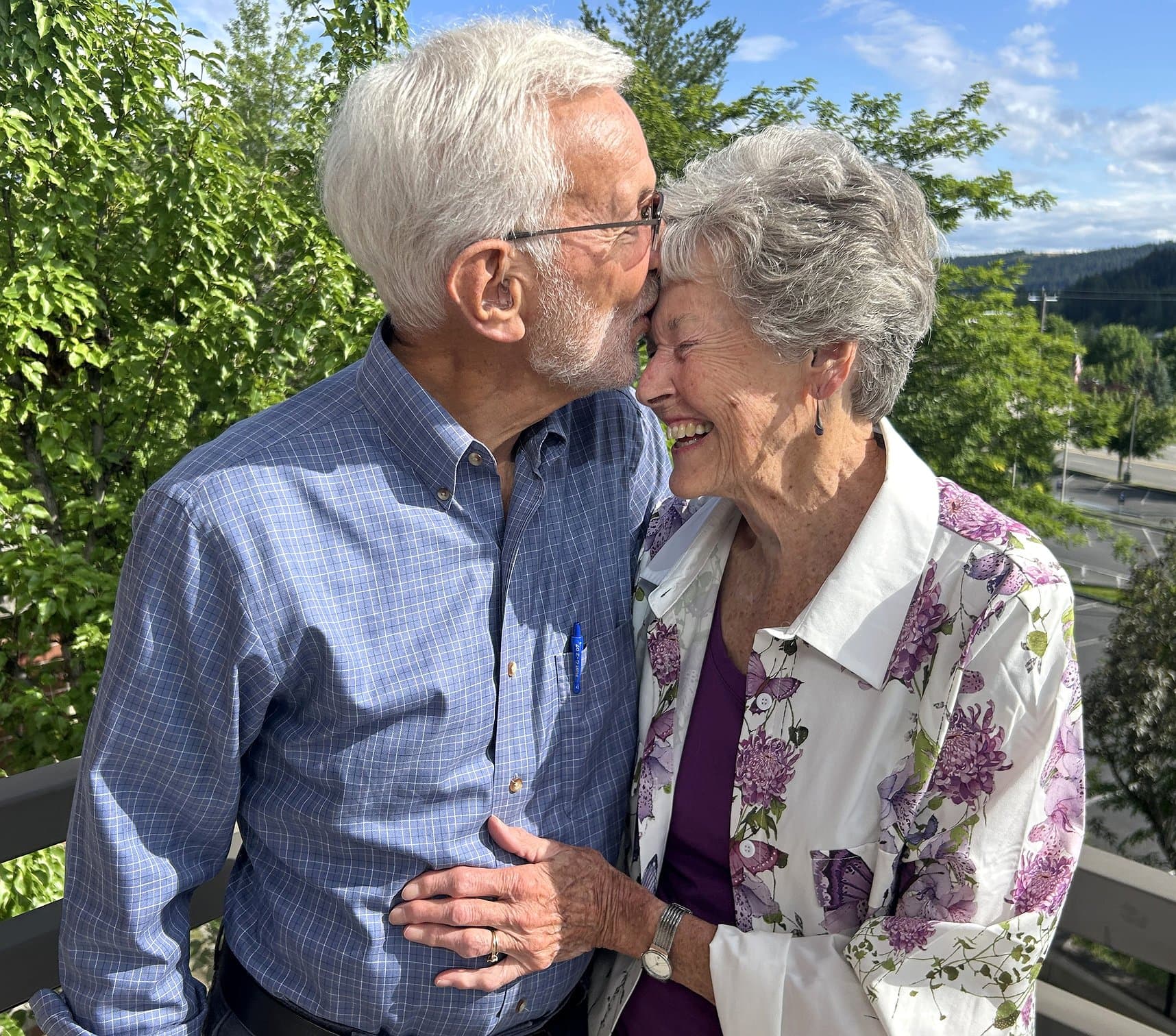
One of the clearest examples of that year-round care is Merry Ruth and her husband, Kenny. Months before fair season, the pair work with staff to choose hundreds of locally grown flowers, plant them across the property and then tend them through the hottest weeks of summer. That effort is not just decorative; it softens the grounds and makes the space feel more welcoming to families, exhibitors and first-time visitors.
During fair week, Merry Ruth can often be found in the fair office helping guests, vendors and exhibitors. That detail captures the way the fairgrounds function in practice. The site is not maintained by a distant institution alone. It depends on named people, steady volunteer labor and the kind of care that makes public space feel personal.
What the fairgrounds hold between fairs
The grounds host a wide mix of activity that reflects how people in Kootenai County actually use community space. Nonprofit fundraisers, trade shows, dog shows, school field trips and emergency response efforts all fit here. In moments of crisis, the property can also become a place for displaced animals or other community support, which gives the site a public-service role that goes well beyond entertainment.
That flexibility is part of the fairgrounds’ own pitch to the community. Staff prioritize the months outside fair season and present the property as an attractively priced place for year-round events. For local organizations, that matters because it turns one central location into a practical option for gatherings that might otherwise struggle to find a venue large enough, affordable enough or adaptable enough.
A home base for horse and livestock communities
Livestock and equine users remain woven into the daily life of the grounds. Event pages list open riding nights and other horse-related programming, showing that the fairgrounds are not just a place to display animals once a year. They are also a routine practice space for the communities that raise, train and show them.
That regular use fits the broader identity of the property. The fairgrounds were built around agriculture, youth development and regional gathering, and those roots still shape the traffic on the grounds today. Families who arrive for livestock events are using the same campus that hosts civic meetings, educational programs and public celebrations.
A history shaped by fair roots and a change in location
The fairgrounds’ long role in county life stretches back more than a century. The North Idaho State Fair says Kootenai County’s first fairs were held in 1922 in Post Falls and 1923 in Worley, Idaho, created to showcase 4-H projects. Those early fairs established a pattern that still defines the site: youth learning, agricultural display and community turnout all in one place.
The grounds also have a history of movement. In 1951, city and county officials negotiated an exchange involving Weeks Field, and the fairgrounds moved to their current location. A Coeur d’Alene Press history report says the property now occupies 83 of the original 160 acres. That shift helped shape the modern layout of the site, but it did not change the basic purpose of the place: to serve as a public gathering ground for the region.
Why the calendar stays full long after August
The current calendar shows just how active the property remains outside the traditional fair window. Late June and early July 2026 include Vintage Market Days, the Modern Homesteading Conference, ISP Alcohol Beverage Seller/Server Training and Cirque Ma’Ceo. That mix ranges from shopping and skills training to performance and practical licensing education, which is a good snapshot of how widely the fairgrounds are used.
The constant churn of activity is part of the venue’s hidden civic economy. Event organizers need a flexible site, volunteers need a place to give time, farmers and horse families need usable grounds, and nonprofit groups need a venue that can hold a crowd without losing its community feel. The fairgrounds manage all of that at once, which is why the property can be both familiar and surprisingly busy at the same time.
For Kootenai County, the fairgrounds are more than a summer destination. They are a year-round commons where work, memory, service and celebration meet, and that is what keeps the place alive in every season.
This article was produced by Prism’s automated news system from verified source data, official records, and press releases, then run through automated quality and moderation checks before publishing. The system is built and supervised by the people who set the standards it runs under. Read our full AI policy.
Did this article answer your question?