Kootenai County Fire and Rescue asks voters for temporary levy on May 19
A failed $6 million permanent override sent KCFR back to voters with a two-year levy costing about $37.77 per $100,000 of assessed value.
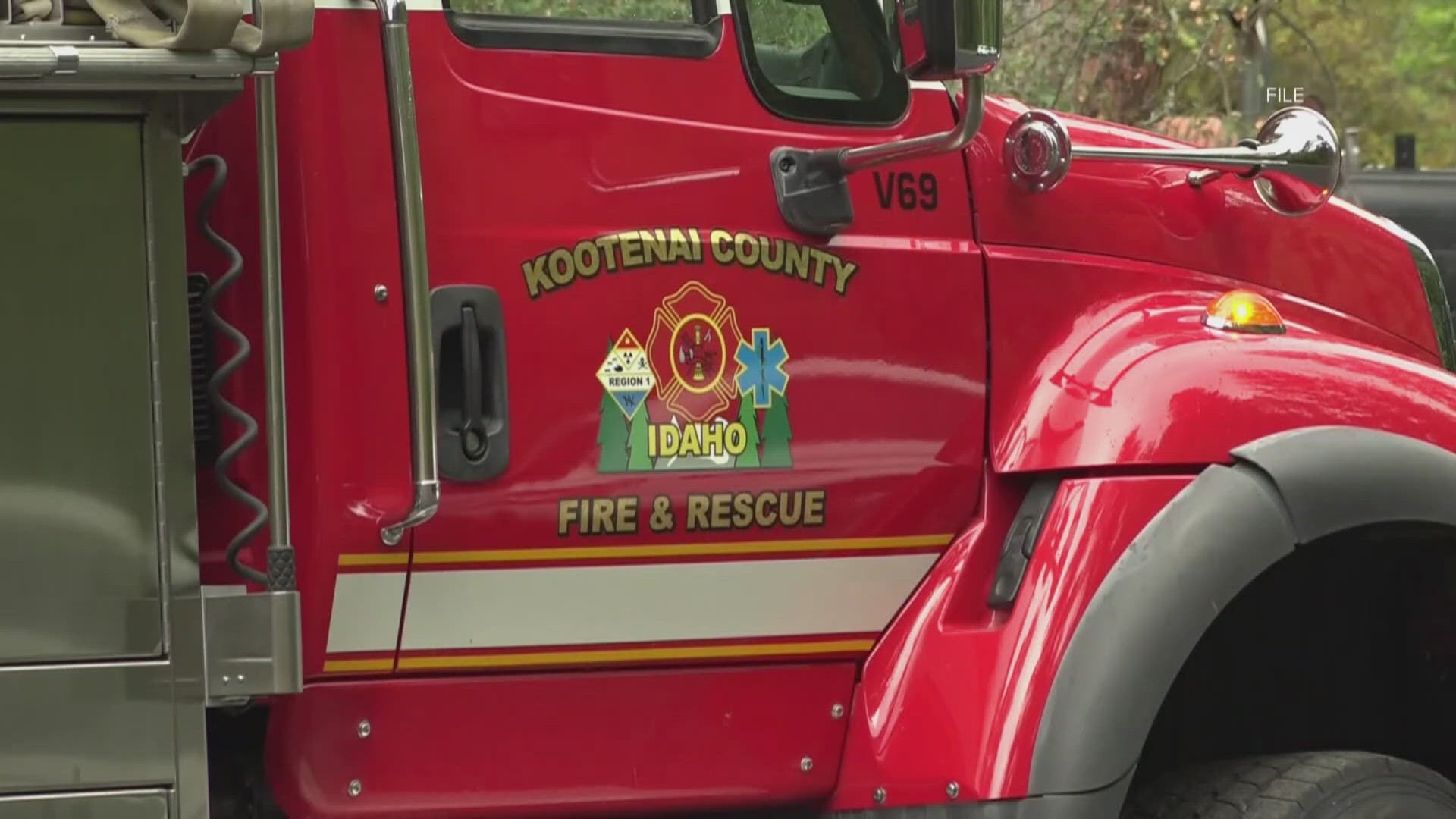
Kootenai County Fire and Rescue is asking voters to approve a temporary levy on May 19 after a permanent override failed last fall, leaving the district to make a sharper case on household cost, staffing and response coverage.
The new measure would authorize KCFR to collect up to $5.2 million per year for two years, beginning in the fiscal year that starts Oct. 1. It needs only a simple majority, unlike the November 2025 permanent override, which drew about 61.76% support, 5,971 yes votes to 3,697 no votes, but still fell short of Idaho’s two-thirds requirement.

For property owners, the tax impact is about $37.77 per $100,000 of taxable assessed value. District materials say the money would help KCFR bridge a funding gap through 2028, prevent temporary station closures and pay the personnel needed to keep pace with population growth in the service area.
Chief Pete Holley said the need is tied to the scale of service KCFR already provides. The district responded to about 9,000 calls in 2025 across more than 45,000 residents and 113 square miles, with five fire stations total and four staffed 24 hours a day, seven days a week. KCFR’s mission includes fire suppression, rescue, EMS, hazardous materials response and technical rescue, all of which put constant pressure on staffing and equipment.
If voters approve the levy, KCFR says it can keep staffing in place, avoid temporary station closures and continue planning for a growing district that has already been adding coverage. The district says fire engines now cost about $1 million each, and grant support for Fire Station 5 is expected to expire in about a year, adding another cost to the budget picture.
If voters reject the measure, the district would remain under the same budget constraints that officials say do not keep pace with North Idaho growth, inflation or major apparatus costs. That would leave KCFR with less room to maintain staffing levels, protect response coverage and replace equipment as call volume rises.
The levy fight comes after a period of leadership change at the district. Chief Chris Way resigned in July 2025, and Pete Holley was appointed chief in December after serving as interim chief. KCFR is governed by five commissioners elected to four-year terms, and the district’s planning pages tie the levy to a broader effort to keep station coverage ahead of development in places like Post Falls and the rest of the county.
This article was produced by Prism’s automated news system from verified source data, official records, and press releases, then run through automated quality and moderation checks before publishing. The system is built and supervised by the people who set the standards it runs under. Read our full AI policy.
Did this article answer your question?