Kootenai County housing market steady as prices climb modestly
Median single-family home price rose to $549,000 in 2025, while listings fell to 668, keeping inventory tight for local buyers.
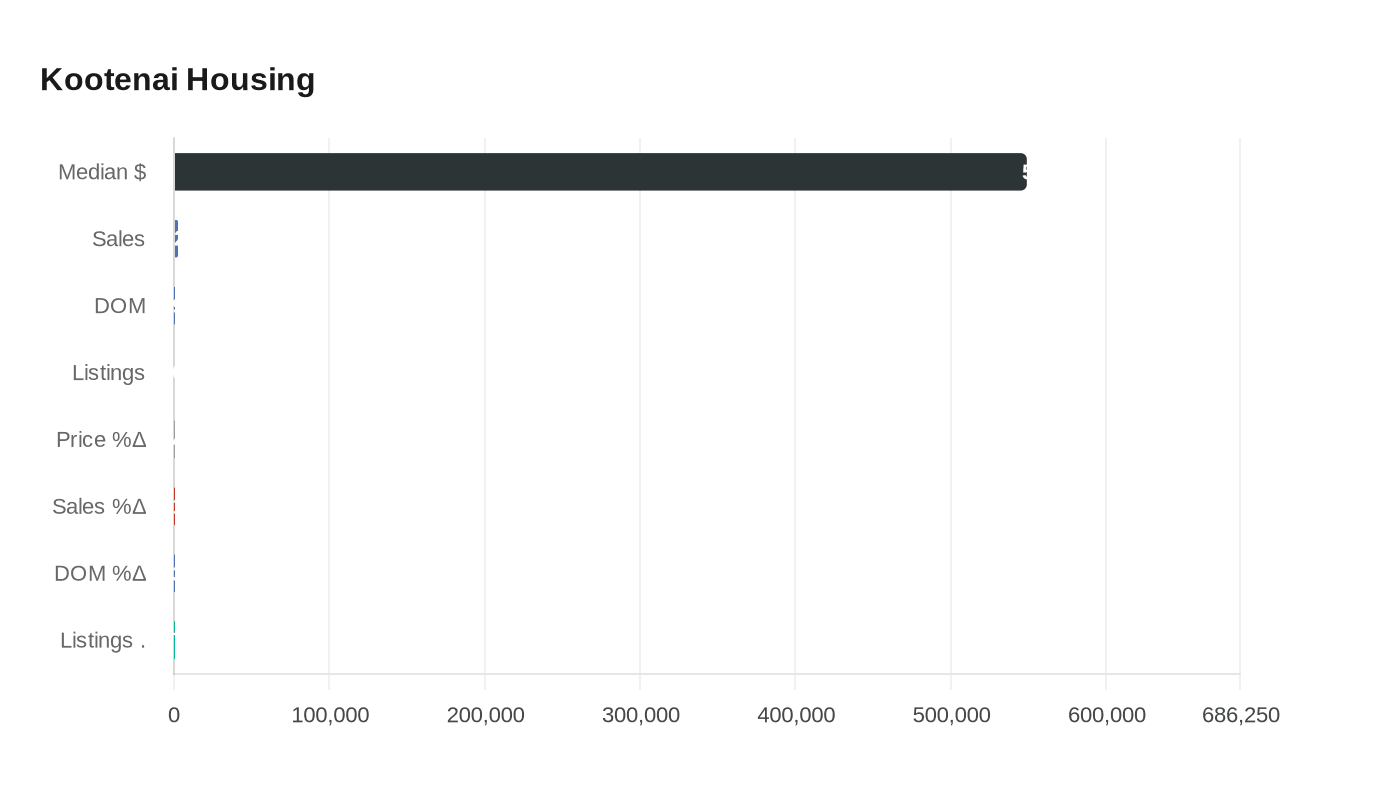
Kootenai County's housing market remained largely steady in 2025, with modest price gains and persistent inventory constraints that matter for buyers, sellers and local policymakers. The median price for a single-family home finished the year at $549,000, an increase of 4.3% from 2024, while total home sales edged up 1.2% to 2,484 transactions. These figures point to steady demand across Coeur d’Alene, Post Falls, Hayden and surrounding communities.
Market activity showed subtle shifts rather than dramatic swings. Average days on market fell to 93, a decline of about 3%, suggesting homes are moving slightly faster than a year earlier. At the same time, active listings were thin heading into the new year: there were 668 listings as of Jan. 6, down 7% from the same time in 2025 and roughly 25% fewer than the prior month. That combination of modest price appreciation, stable sales volume and tightening supply keeps upward pressure on prices while limiting choices for buyers.
For local buyers, the data imply continued competition for available homes and a narrower selection, particularly for popular neighborhoods. For sellers, the market profile supports reasonable pricing power: modest year-over-year appreciation and shorter marketing times increase the likelihood of selling at or near asking price when a property is well positioned. Brokers who reviewed the year characterized 2025 as steady rather than volatile, with activity spread across the county rather than concentrated in a single corridor.
The economic context matters for Kootenai County officials and planners. Tight inventory is a structural challenge that can constrain workforce mobility, add to affordability pressures and influence local labor markets. Policy responses that could help expand supply include streamlining permits, encouraging infill development and easing barriers to accessory dwelling units; such measures take time but directly affect housing stock. Short-term solutions for buyers may include expanded seller incentives or targeted down payment assistance to keep local workers and families in the community.
Looking ahead, the market signals a continued balancing act: steady demand and constrained supply should keep the market competitive in early 2026, but without the volatility seen earlier in the decade. For residents, the immediate takeaway is practical: buyers should be prepared and decisive, sellers can expect opportunity if they list thoughtfully, and local leaders should consider supply-side steps to ease pressure on housing affordability.
Know something we missed? Have a correction or additional information?
Submit a Tip