Kootenai County property tax bills reflect dozens of taxing districts
A Kootenai County bill can carry 4 to 10 taxing districts, and the county says the money starts with dozens of separate budgets, not one county charge.
Using Kootenai County’s FY24 figure of $123 in levy per $100,000 of home value, a $500,000 home would carry about $615 in that countywide levy measure. At the county’s current figure of $126 per $100,000, the same home would carry about $630. That is only one slice of the overall bill, but it shows the basic math behind the number on the envelope: the bill is built district by district, not pulled from a single county pot.
A Kootenai County property tax bill can look like one line item, but it is really a stack of separate decisions from many local governments. Kootenai County has more than 45 taxing districts, not counting urban renewal districts, and a typical parcel falls inside 4 to 10 of them. That is why one home in Coeur d’Alene, Post Falls, Hayden, Rathdrum, or an unincorporated neighborhood can share one bill while funding a very different mix of schools, cities, fire protection, roads, and county functions.
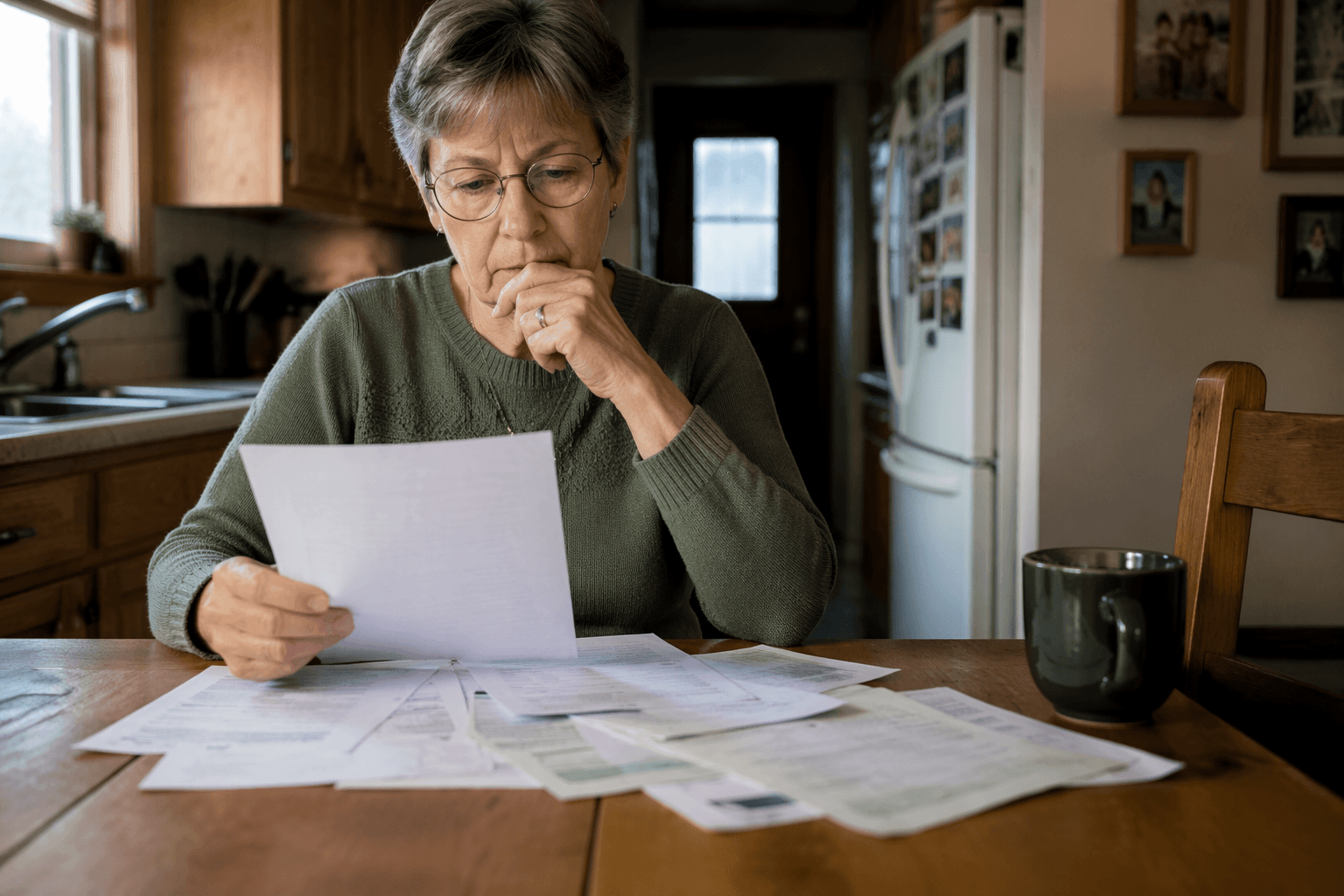
How one property tax bill is assembled
The starting point is valuation. Kootenai County’s Assessor determines fair market value, which feeds the rest of the process. From there, the County Clerk uses the total annual budgets set by the various taxing districts and county commissioners, along with the total taxable value, to calculate the property tax rate. The Treasurer then uses that rate to distribute the tax burden across the parcels that lie inside each district.
The dollar amount of expenditures that exceeds other revenue becomes the levy. In other words, a district first decides what it needs to spend, subtracts the money it expects from other sources, and the remainder becomes the amount collected through property tax. That is why a bill can reflect many separate budgets at once, each one tied to a different elected board.
In Idaho, property taxes are collected by the county and distributed to the taxing districts in which the property lies, and those district boundaries can overlap and change every year. A parcel can sit inside one mix of school, city, county, fire, road, and special assessment districts this year and a slightly different mix next year.
Why the county is not the whole story
Homeowners run into that accountability gap when they assume the county controls the full bill. Kootenai County only gets the property tax related to its own county functions, and it has no say in the budgets of the other districts that levy against property. The one exception is EMS, where it shares responsibility with local cities.
If the increase comes from a fire district, a school levy, a city budget, or another special district, the County Treasurer is collecting the money but did not set that spending decision. The public bill detail page directs levy-rate questions to the applicable taxing district, which is the office that actually approved the budget driving that rate.
The Treasurer’s office also handles more than a standard home bill. Kootenai County’s Treasurer collects taxes on real and personal property, harvested timber, and special assessments for water districts, fire protection districts, and local improvement districts. Those charges can sit alongside the regular property tax and add another layer to the final amount due.
Why values, rates, and bills do not move in lockstep
One of the most confusing parts of property tax is that a rising home value does not automatically mean a higher levy rate. The overall levy rate generally tends to decrease when assessed values rise, assuming everything else stays equal. That happens because the same spending plan is spread across a larger taxable base.
That helps explain why homeowners can see one part of the tax picture soften while another part climbs. The pattern shows up in the county’s recent comparison: its property-tax levy per $100,000 of home value fell as median home prices rose over the past seven years, then moved from $123 in FY24 to $126 as home values leveled off. The burden can shift even when the rate changes in ways that do not look intuitive on first glance.
The practical result is that the culprit behind a higher bill is often not the same thing as the culprit behind a higher assessed value. A larger assessment can push the tax higher even if the rate eases. A district spending increase can push the bill higher even if the home value barely changes.
Who to call when something looks wrong
The fastest way to sort out a problem is to aim it at the right office. If the concern is property value or exemptions, call the Kootenai County Assessor at 208-446-1500. If the problem is a missing notice, a payment issue, or a question about billing or timing, the Treasurer’s office can be reached at 208-446-1005.
The deadlines matter even if the mail does not cooperate. Failure to receive a tax notice does not excuse the tax or late charges. The first half of property taxes becomes delinquent after December 20 and gets a 2% late charge, and delinquent tax interest begins January 1 at 1% per month.
This article was produced by Prism’s automated news system from verified source data, official records, and press releases, then run through automated quality and moderation checks before publishing. The system is built and supervised by the people who set the standards it runs under. Read our full AI policy.
Did this article answer your question?